Get your free personalized podcast brief
We scan new podcasts and send you the top 5 insights daily.
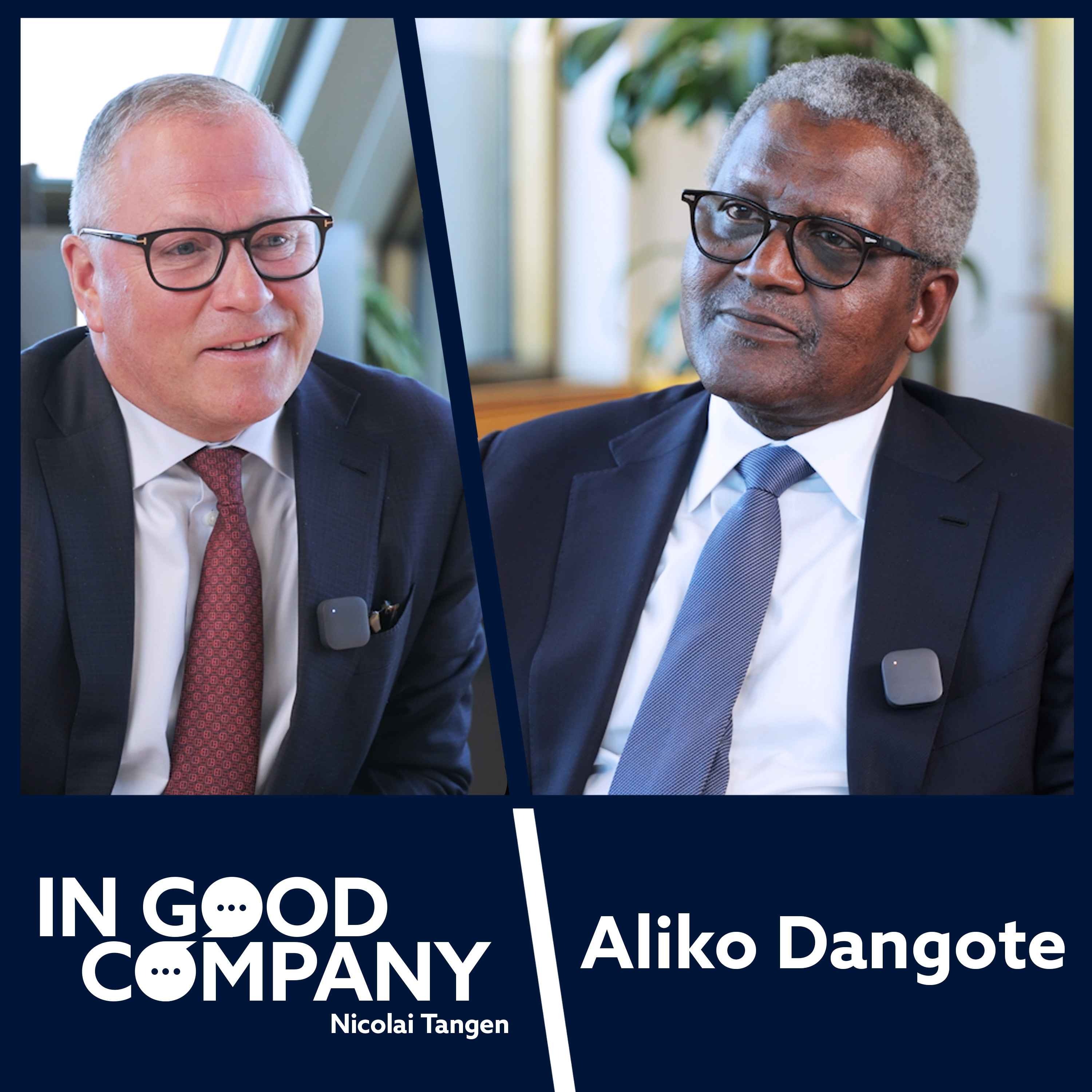
Dangote's primary strategy is to identify essential products that are heavily imported and then build the local industrial capacity to produce them. This "backward integration" method directly addresses fundamental market needs and creates nationally significant enterprises by producing what the population needs.
Related Insights
LEGO's record sales weren't just from launching 860 new sets (offense). They were enabled by unglamorous investments in localized factories (defense). This strategy reduces shipping costs and tariffs, providing the stable operational backbone necessary to support aggressive and successful product innovation.

The primary benefit of Aliko Dangote's massive oil refinery for Nigeria is not just influencing prices, but guaranteeing the availability of petroleum products. This creates energy independence and resilience against geopolitical shocks, effectively ending decades of fuel shortages and making the refinery a strategic national asset.
Unlike D2C competitors who are primarily marketers that outsource production, Spot & Tango vertically integrated by building its own factory. This contrarian move created a strong competitive moat through proprietary processes, quality control, and supply chain ownership.

For D2C fashion brands, the inability of third-party suppliers to quickly fulfill reorders on trending products is a key trigger for vertical integration. Larroudé's co-founder realized the cost of one large factory order was equivalent to buying the machinery himself, enabling them to meet demand in weeks, not months.

Aliko Dangote builds Africa's industrial capacity using a monopolistic playbook of leveraging political favors and pushing for import bans. With regulators freezing new petrol import licenses, Nigeria's energy security is effectively entrusted to one individual, which may harm consumers in the long term despite current benefits.
By manufacturing in-house, Buy Rosie Jane maintained profitability and control over its cash flow. This vertical integration was the key that allowed the bootstrapped company to handle large purchase orders from major retailers like Anthropologie and Sephora without needing outside investment.

Despite being a major Nigerian project, the Dangote refinery prioritizes efficiency by using a lean staff and relying heavily on foreign subcontractors, particularly Indian experts, for high-skilled roles. This approach limits the transfer of technical knowledge to the local workforce, undermining a key potential benefit of such a large domestic investment.
Siemens mitigates geopolitical risks and tariffs not just by being global, but by being hyper-local. Its CEO reveals that 85-87% of its production in major markets like the US and China is for that market, minimizing cross-border dependencies and the direct impact of trade wars.

To de-risk investment for foreigners wary of local currency volatility, Dangote's new ventures guarantee dividend payments in U.S. dollars. This is made possible by structuring the businesses to generate over 80% of their revenue in dollars through exports, directly addressing a primary friction point for international capital.
Rather than waiting for government action, the Dangote Group proactively builds billions of dollars worth of essential public roads. They then utilize a government policy that allows them to offset these infrastructure costs against their future tax bills, accelerating development while de-risking their own logistics.