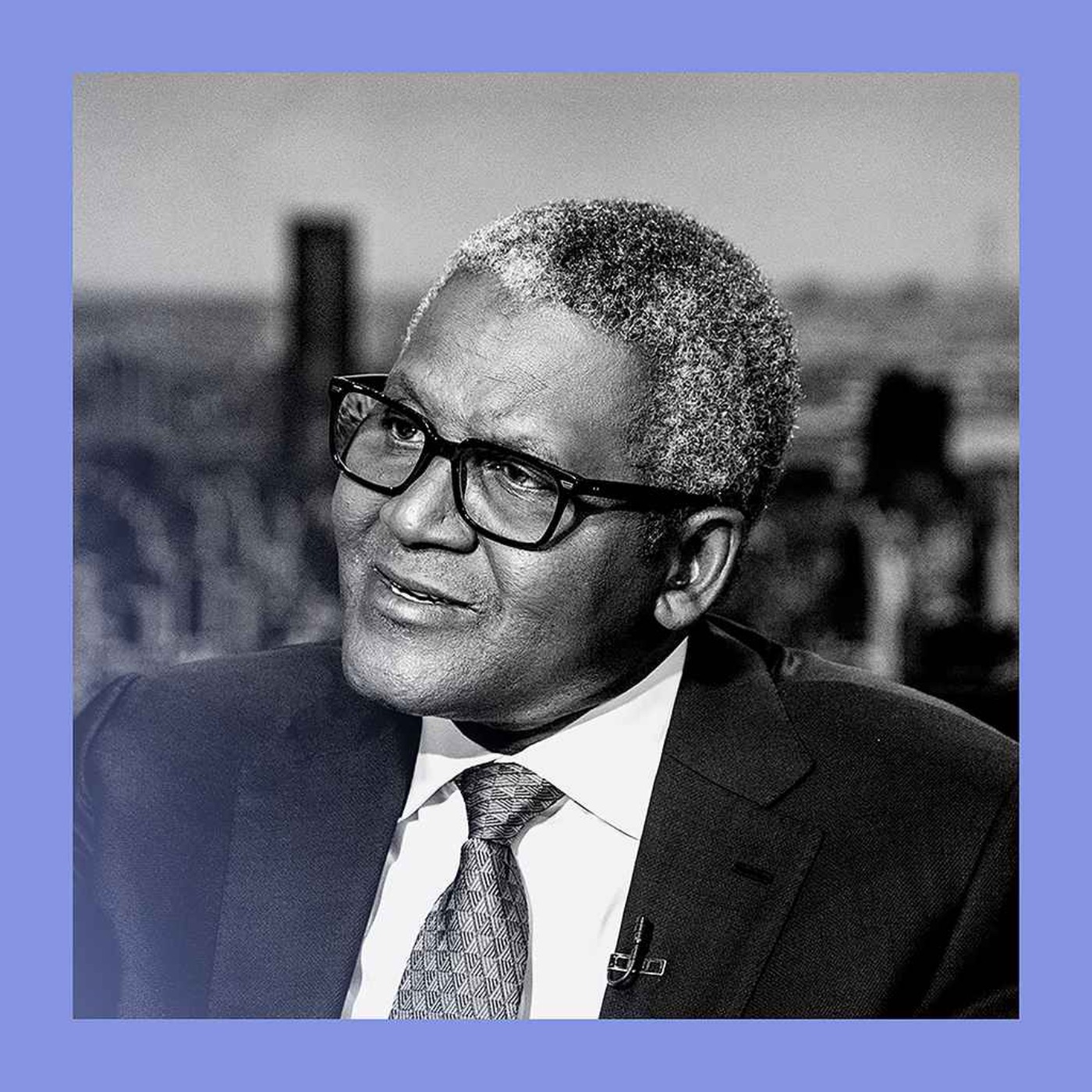
The primary benefit of Aliko Dangote's massive oil refinery for Nigeria is not just influencing prices, but guaranteeing the availability of petroleum products. This creates energy independence and resilience against geopolitical shocks, effectively ending decades of fuel shortages and making the refinery a strategic national asset.
Aliko Dangote builds Africa's industrial capacity using a monopolistic playbook of leveraging political favors and pushing for import bans. With regulators freezing new petrol import licenses, Nigeria's energy security is effectively entrusted to one individual, which may harm consumers in the long term despite current benefits.
Despite being a major Nigerian project, the Dangote refinery prioritizes efficiency by using a lean staff and relying heavily on foreign subcontractors, particularly Indian experts, for high-skilled roles. This approach limits the transfer of technical knowledge to the local workforce, undermining a key potential benefit of such a large domestic investment.
The Iranian-American community is not a monolith; while united in its desire for regime change, it is deeply split on strategy. Some support sustained US bombing to cripple the government, while others fear a protracted 'forever war' and believe Iranians must lead their own liberation without prolonged foreign military involvement.
A Danish study found that a cancer diagnosis increases the likelihood of committing a crime by 14%. The rise includes economic crimes like burglary, suggesting financial distress, but also a surprising 21% increase in violent crimes like assault. This suggests the psychological toll of a severe diagnosis can lower one's fear of consequences like prison.