Get your free personalized podcast brief
We scan new podcasts and send you the top 5 insights daily.
To de-risk investment for foreigners wary of local currency volatility, Dangote's new ventures guarantee dividend payments in U.S. dollars. This is made possible by structuring the businesses to generate over 80% of their revenue in dollars through exports, directly addressing a primary friction point for international capital.
Related Insights
Aliko Dangote posits that a common mistake in emerging markets is seeking foreign investment prematurely. He argues that foreign investors are only truly attracted when they see significant, sustained investment from domestic entrepreneurs, which proves local confidence in the economy.
During a crisis, equity and loan portfolios can become completely illiquid. However, currency liquidity almost never disappears. Therefore, a deep capability in FX instruments is the most critical risk management tool for an EM investor, allowing them to hedge when other markets are closed.
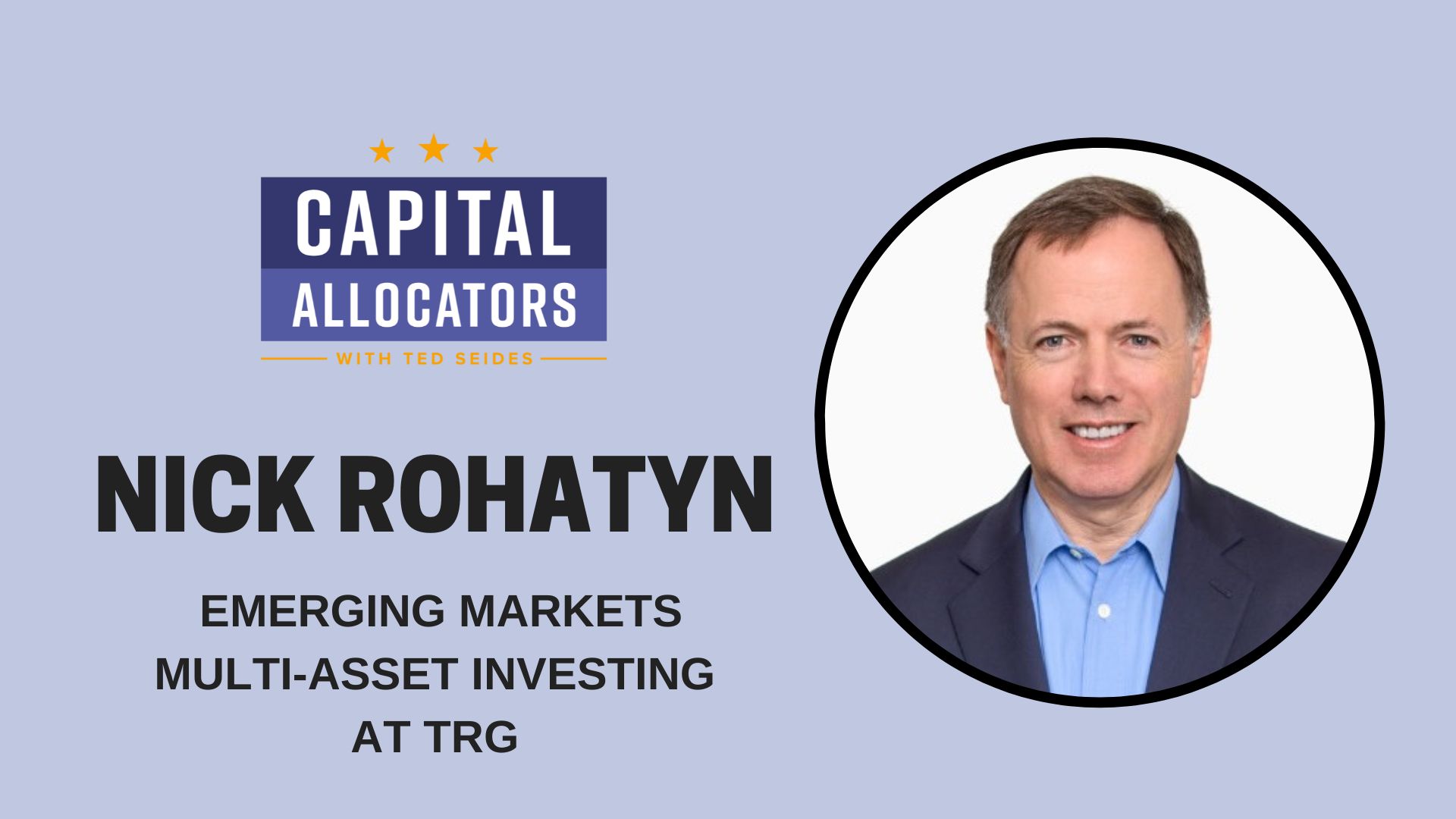
The primary benefit of Aliko Dangote's massive oil refinery for Nigeria is not just influencing prices, but guaranteeing the availability of petroleum products. This creates energy independence and resilience against geopolitical shocks, effectively ending decades of fuel shortages and making the refinery a strategic national asset.
Brookfield's de-risking strategy focuses on eliminating market variables they can't control. They embrace execution and operational risk, where they have an edge, but work to structure deals that neutralize market risks like interest rate or commodity price fluctuations from the outset.

The primary, world-changing use case for stablecoins isn't cheaper domestic payments. It's providing global, frictionless access to the U.S. dollar. This allows citizens in countries with unstable currencies or untrustworthy central banks to opt-in to the U.S. financial system, effectively exporting America's most powerful product.

According to Dangote, China's business success in Africa stems from its aggressive financing terms. Unlike Western companies that often require full payment upfront, Chinese suppliers offer multi-year credit with small down payments, backed by their state insurance, enabling African companies to leverage capital and grow faster.
For global operators, the core complexity of international payments lies in the final "on-ramp and off-ramp" to local fiat currencies, not the underlying transfer rails. The real customer value comes from minimizing foreign exchange (FX) fees by keeping revenue and expenses within the same local currency.

When emerging economies borrow in U.S. dollars, they are unknowingly making a bet that oil prices will remain stable. A spike in oil strengthens the dollar and weakens their local currency, simultaneously making their debt more expensive to service just as energy import costs soar.

Rather than waiting for government action, the Dangote Group proactively builds billions of dollars worth of essential public roads. They then utilize a government policy that allows them to offset these infrastructure costs against their future tax bills, accelerating development while de-risking their own logistics.
Dangote's primary strategy is to identify essential products that are heavily imported and then build the local industrial capacity to produce them. This "backward integration" method directly addresses fundamental market needs and creates nationally significant enterprises by producing what the population needs.