Get your free personalized podcast brief
We scan new podcasts and send you the top 5 insights daily.
A common cognitive error in addiction is misattributing the feeling of relief from withdrawal as a positive effect of the substance itself. The first cigarette of the day doesn't create a good feeling, it simply alleviates the negative, agitated state created by overnight nicotine withdrawal, trapping the user in a cycle.

Related Insights
The brain maintains balance by counteracting any deviation to the pleasure side with an equal and opposite reaction to the pain side. This opponent process is why we experience hangovers and why chronic indulgence leads to a dopamine deficit state, driving us to use more just to feel normal.

Doctors are often trained to interpret symptoms arising after stopping psychiatric medication as a relapse of the original condition. However, these are frequently withdrawal symptoms. This common misdiagnosis leads to a cycle of re-prescription and prevents proper discontinuation support.

Neuroscience shows pleasure and pain are co-located in the brain and work like a seesaw. When we experience pleasure, the brain immediately compensates by tilting towards pain to restore balance. This neurological 'come down' is why constant pleasure-seeking eventually leads to a state of chronic pain and craving.
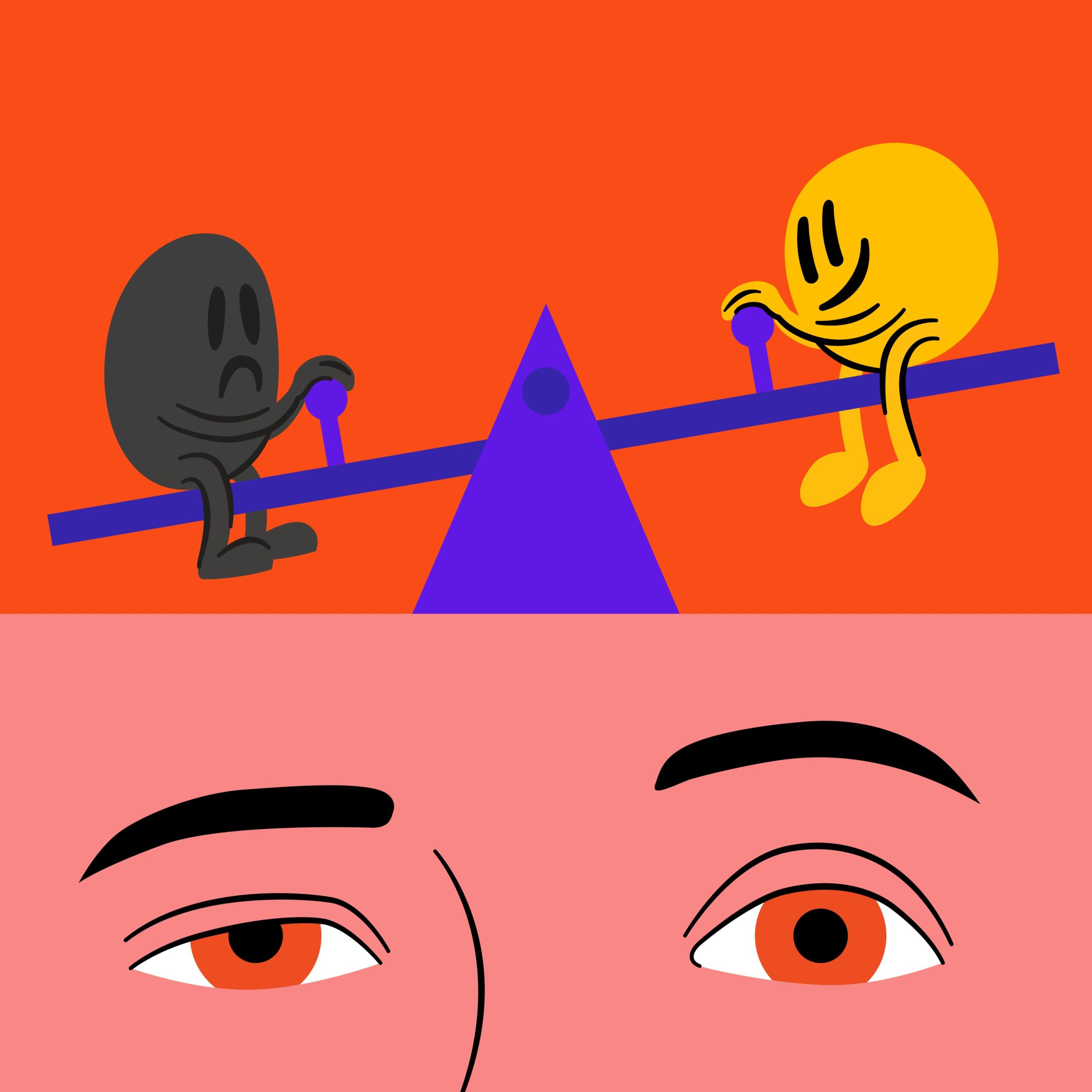
To break a bad habit, abstain from your "drug of choice" for at least four weeks. This is the average time needed to escape acute withdrawal (which peaks in the first 14 days) and allow the brain's neuroplasticity to restore its ability to enjoy modest, natural rewards again.
Alcohol temporarily reduces anxiety by boosting the neurotransmitter GABA. However, the brain overcompensates by converting GABA into glutamate, an excitatory neurotransmitter. This rebound effect leaves you more anxious than before, creating a self-perpetuating cycle of self-medication.
An animal study shows a rat, when painfully shocked, will immediately try to get cocaine again even after the habit was extinguished. This models how humans under stress revert to high-dopamine rewards because the brain has encoded this as the fastest way out of any painful state.
A powerful definition of addiction is the gradual shrinking of a person's sources of joy. As the addiction takes hold, natural rewards like relationships, work, and hobbies fall away until the substance or behavior becomes the only thing left that provides a feeling of reward, creating a powerful psychological dependency.
Addiction isn't defined by the pursuit of pleasure. It's the point at which a behavior, which may have started for rational reasons, hijacks the brain’s reward pathway and becomes compulsive. The defining characteristic is the inability to stop even when the behavior no longer provides pleasure and begins causing negative consequences.
Constantly bombarding our reward pathways causes the brain to permanently weigh down the 'pain' side of its pleasure-pain balance. This alters our baseline mood, or 'hedonic set point,' meaning we eventually need our substance or behavior not to get high, but simply to escape a state of withdrawal and feel normal.
Brain imaging studies show that the brain's reward circuitry (nucleus accumbens) activation in response to drug cues is a more accurate predictor of relapse than the person's own stated commitment to sobriety. This highlights a powerful disconnect between conscious desire and deeply ingrained, subconscious cravings.