Get your free personalized podcast brief
We scan new podcasts and send you the top 5 insights daily.
Alcohol temporarily reduces anxiety by boosting the neurotransmitter GABA. However, the brain overcompensates by converting GABA into glutamate, an excitatory neurotransmitter. This rebound effect leaves you more anxious than before, creating a self-perpetuating cycle of self-medication.

Related Insights
Anxiety often isn't a brain chemistry issue but a physical stress response. A blood sugar crash or caffeine can trigger a physiological state of emergency, and the mind then invents a psychological narrative (like work stress) to explain the physical sensation.
Modern society turns normal behaviors like eating or gaming into potent drugs by manipulating four factors: making them infinitely available (quantity/access), more intense (potency), and constantly new (novelty). This framework explains how behavioral addictions are engineered, hijacking the brain’s reward pathways just like chemical substances.
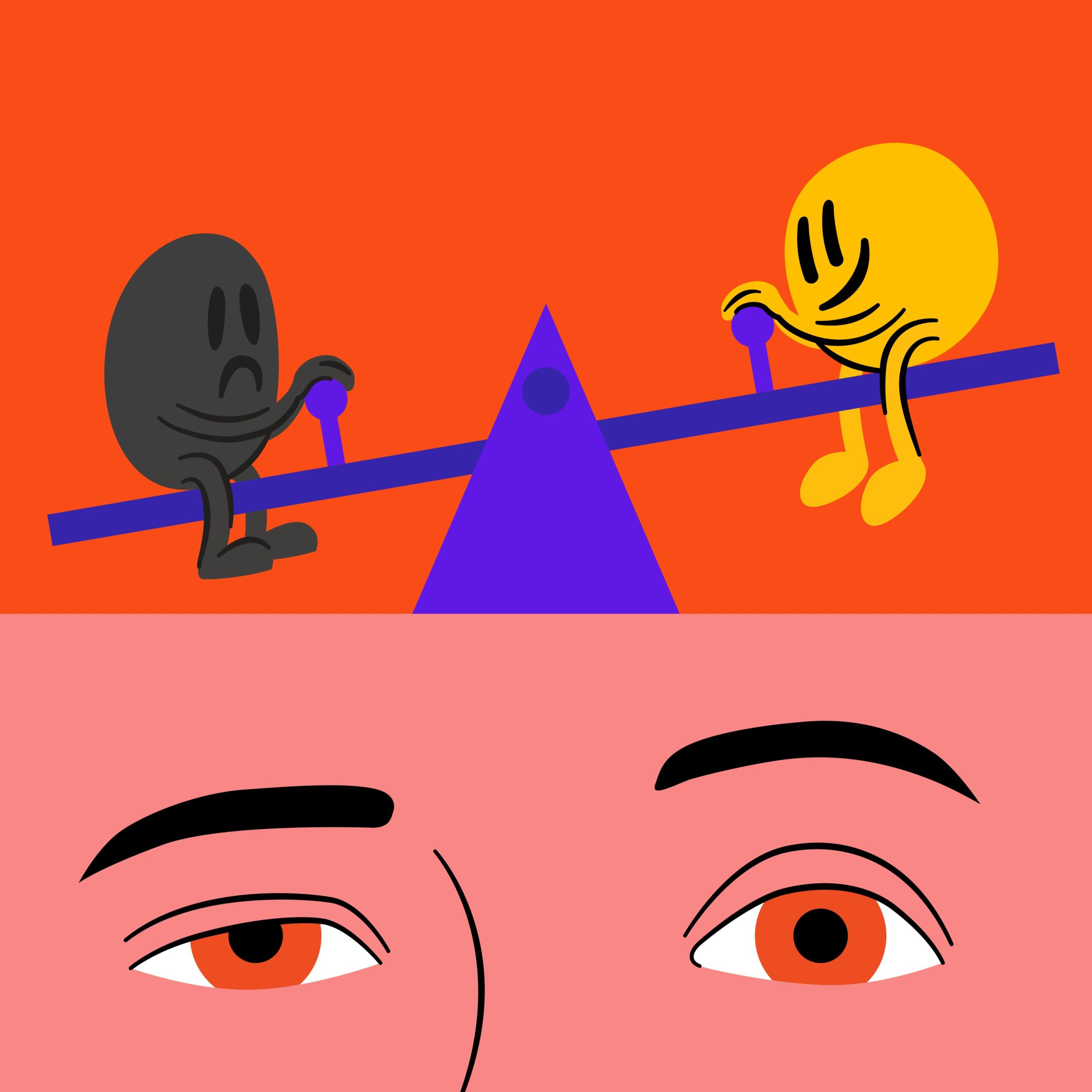
The jarring transition from a high-stress state to a relaxed one can be so uncomfortable that people subconsciously choose to remain in a state of low-grade, constant stress. This psychological principle, "contrast avoidance theory," explains why it feels so difficult to switch off. Recognizing this discomfort as a temporary transitional phase is key to breaking the cycle.

After a six-month sobriety period, Kevin Rose adopted the '2-2-2 rule': a maximum of two drinks, never on consecutive days, and on a maximum of two days per week. This structured approach helps re-evaluate one's relationship with alcohol without complete abstinence, focusing on moderation and special occasions.

Neuroscience shows pleasure and pain are co-located in the brain and work like a seesaw. When we experience pleasure, the brain immediately compensates by tilting towards pain to restore balance. This neurological 'come down' is why constant pleasure-seeking eventually leads to a state of chronic pain and craving.
The anxiolytic effect of ketosis has a clear neurochemical basis. Elevated ketones increase the levels of the enzyme GAD (glutamic acid decarboxylase), which converts the brain's primary excitatory neurotransmitter, glutamate, into its primary inhibitory (calming) neurotransmitter, GABA, creating a more stable neurological state.
Addiction isn't defined by the pursuit of pleasure. It's the point at which a behavior, which may have started for rational reasons, hijacks the brain’s reward pathway and becomes compulsive. The defining characteristic is the inability to stop even when the behavior no longer provides pleasure and begins causing negative consequences.
Negative self-talk is not just a fleeting thought; it's a destructive habit with physical consequences. According to UCLA neuroscience research, repetitive negative thinking actively strengthens the neural pathways for fear and anxiety, making it your brain's default response over time.

Constantly bombarding our reward pathways causes the brain to permanently weigh down the 'pain' side of its pleasure-pain balance. This alters our baseline mood, or 'hedonic set point,' meaning we eventually need our substance or behavior not to get high, but simply to escape a state of withdrawal and feel normal.
Anxiety spikes when you mentally separate from your own capacity to handle future challenges. Instead of focusing on uncontrollable 'what ifs,' the antidote is to reconnect with your agency and ability to respond, regardless of the outcome. Doubling down on your capacity to handle things quiets the alarm.
