Get your free personalized podcast brief
We scan new podcasts and send you the top 5 insights daily.
To break a bad habit, abstain from your "drug of choice" for at least four weeks. This is the average time needed to escape acute withdrawal (which peaks in the first 14 days) and allow the brain's neuroplasticity to restore its ability to enjoy modest, natural rewards again.

Related Insights
Our brains are wired to release dopamine through social bonding via the hormone oxytocin. Addictions hijack this natural reward system, replacing deep human connection with a substance or behavior. A key part of recovery is reactivating this healthy pathway by moving out of isolation.

The brain maintains balance by counteracting any deviation to the pleasure side with an equal and opposite reaction to the pain side. This opponent process is why we experience hangovers and why chronic indulgence leads to a dopamine deficit state, driving us to use more just to feel normal.
Neuroscience shows pleasure and pain are co-located in the brain and work like a seesaw. When we experience pleasure, the brain immediately compensates by tilting towards pain to restore balance. This neurological 'come down' is why constant pleasure-seeking eventually leads to a state of chronic pain and craving.
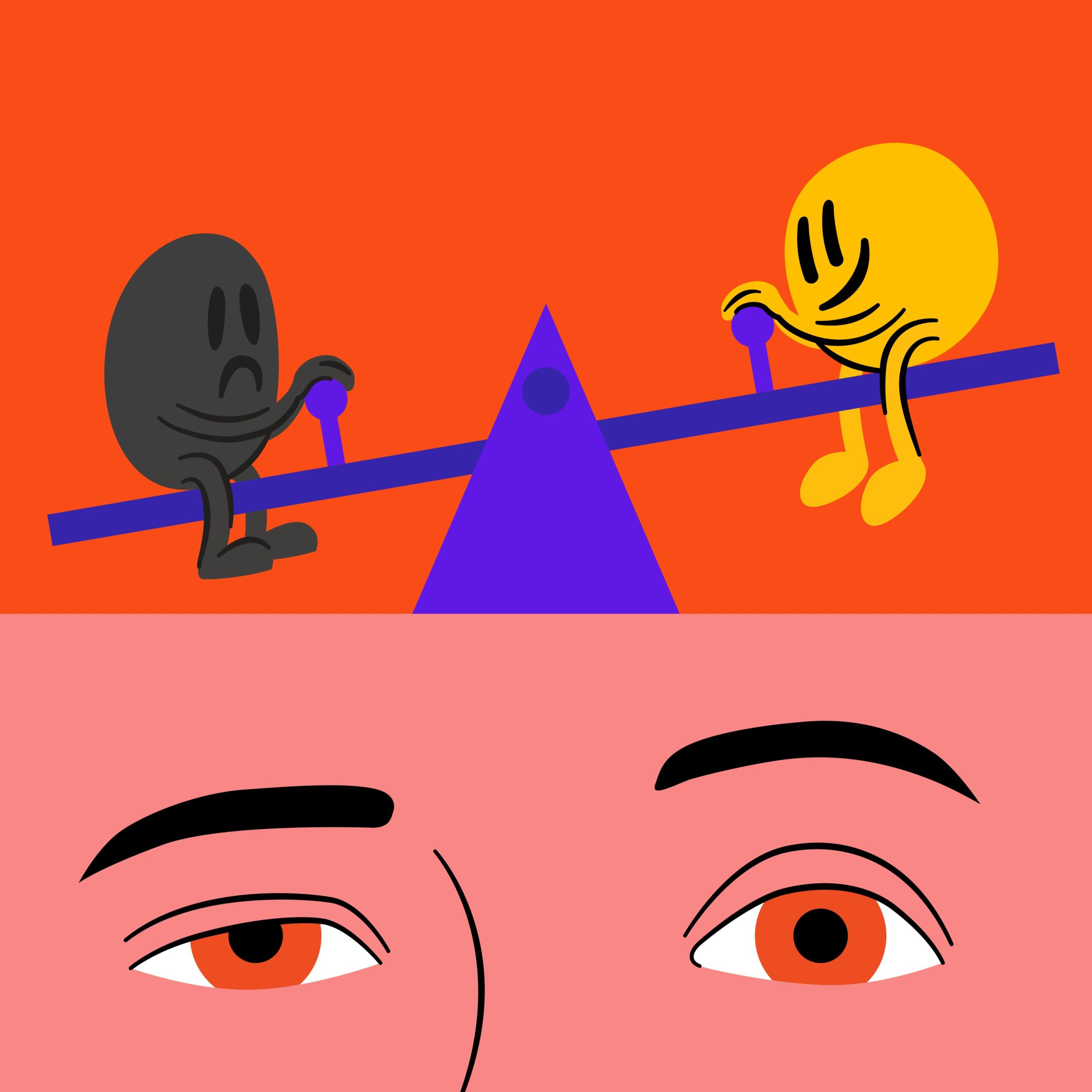
Many people use substances to treat anxiety or depression, not realizing the substance itself causes a dopamine deficit that mimics those conditions. Abstaining for four weeks allows the brain to reset its reward pathways and restore natural dopamine production, often resolving the symptoms entirely.
Unlike instantly gratifying habits, effortful ones like exercise initially feel painful. This stress signals the body to upregulate its own feel-good neurotransmitters like dopamine in response. In effect, you are "paying for" your dopamine upfront with effort, leading to a delayed but sustainable reward.
The satiation signal from GLP-1s to the brain stem also down-regulates dopamine and the desire for it. This explains anecdotal reports and active studies on their effect in reducing cravings for nicotine, alcohol, shopping, and gambling.

Instead of trying to suppress a bad habit, the key is to perform a positive, easy habit immediately after the unwanted behavior occurs. This leverages neuroplasticity by linking the trigger for the bad habit to a new, positive outcome, effectively rewriting the neural script over time.

Constantly bombarding our reward pathways causes the brain to permanently weigh down the 'pain' side of its pleasure-pain balance. This alters our baseline mood, or 'hedonic set point,' meaning we eventually need our substance or behavior not to get high, but simply to escape a state of withdrawal and feel normal.
The brain maintains a pain-pleasure balance. Constantly triggering pleasure (dopamine) causes the brain to overcompensate by activating pain pathways, leading to a chronic dopamine-deficient state that manifests as anxiety, irritability, and depression.
The popular 21-day rule for habit formation is a myth derived from physical healing cycles. Neuroscientific research shows it takes 21 days just to build a new, weak neural pathway. A full 63 days are required to strengthen that pathway enough to create sustainable, automated behavior change.