Get your free personalized podcast brief
We scan new podcasts and send you the top 5 insights daily.
Nuclear deterrence works because the weapons provide a "crystal ball effect." Unlike WWI leaders who couldn't foresee 1918's carnage, modern leaders have a stark, pessimistic view of a nuclear war's outcome. This shared vision of guaranteed calamity creates enormous incentives to avoid starting such a conflict.

Related Insights
The path to surviving superintelligence is political: a global pact to halt its development, mirroring Cold War nuclear strategy. Success hinges on all leaders understanding that anyone building it ensures their own personal destruction, removing any incentive to cheat.

PGIM's Daleep Singh argues that the risk of mutually assured destruction prevents direct military conflict between nuclear powers. This channels confrontation into the economic sphere, using tools like sanctions and trade policy as primary weapons of statecraft.

Deterrence happens in the mind of the enemy. The US fails to deter Iran by attacking its Arab proxies because Iranian culture views Arabs as expendable. To be effective, deterrence must threaten what the target culture actually values. In Iran's case, this means threatening Persians, not their proxies.
With the New START treaty gone and doubts about America's commitment to "extended deterrence," especially under Donald Trump, allies in Europe and Asia are debating acquiring their own nuclear weapons. This could lead to a dangerous proliferation free-for-all, increasing the risk of preemptive strikes.
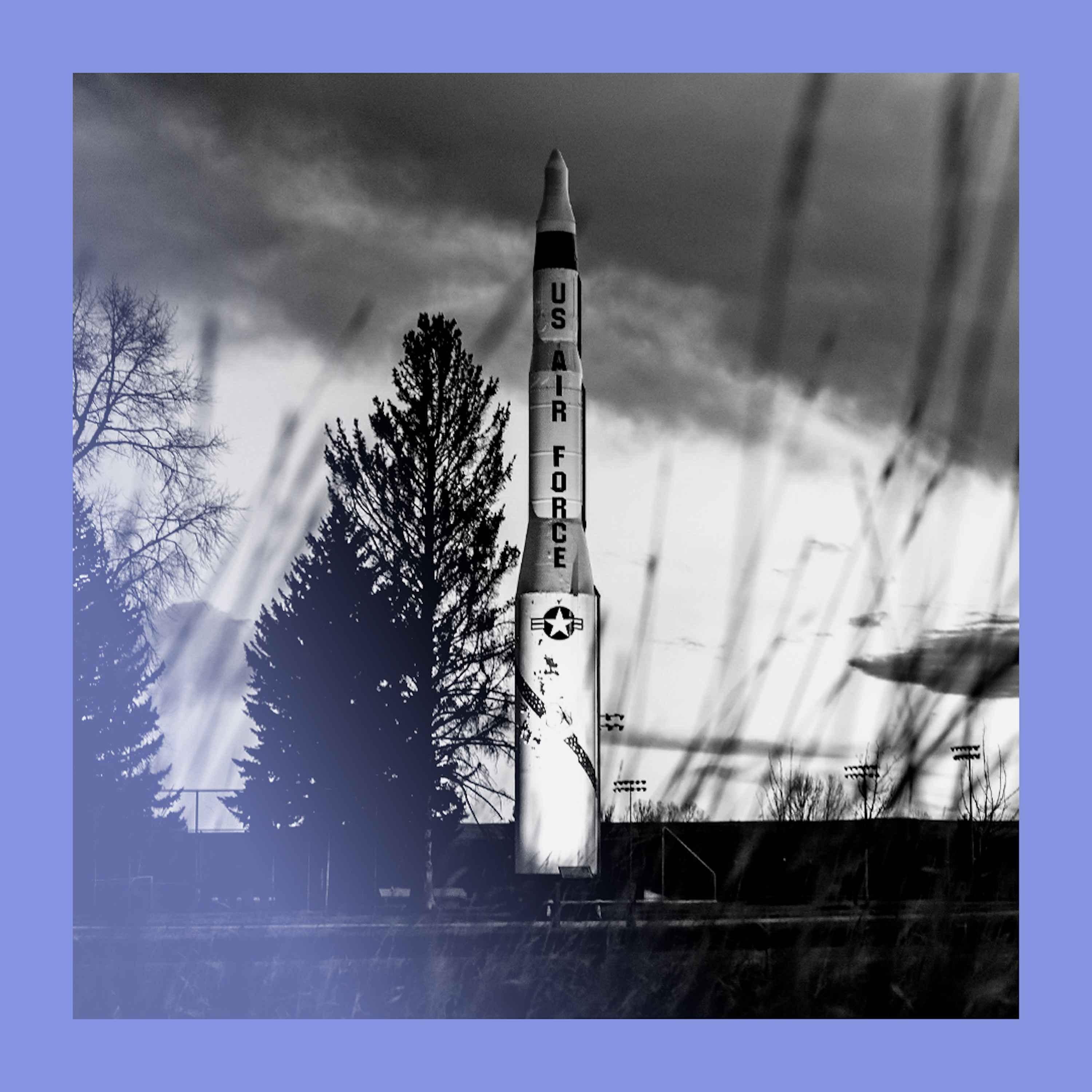
The doctrine of mutually assured destruction (MAD) relies on the threat of retaliation. However, once an enemy's nuclear missiles are in the air, that threat has failed. Sam Harris argues that launching a counter-strike at that point serves no strategic purpose and is a morally insane act of mass murder.

The true horror of nuclear war isn't the initial blast but the complete breakdown of society. With no government, law, or resources, survivors face a primal, violent struggle for existence amidst sickness and malnourishment, making immediate death a preferable fate.

The SALT I treaty, particularly its limitation of anti-ballistic missile (ABM) systems, succeeded because both the US and USSR recognized the technology was unworkable. It was far cheaper to overwhelm any defensive system with more offensive weapons, making the supremacy of offense a technological reality that drove the agreement.
The current geopolitical landscape shows that nations with nuclear weapons can act with impunity, while non-nuclear nations are vulnerable. The West's hesitant support for Ukraine reinforces this lesson, creating a rational incentive for smaller countries to pursue their own nuclear deterrents, risking dangerous proliferation.

European rhetoric about 'strategic autonomy' is ultimately hollow. For decades, Europe's security has been guaranteed by the U.S. nuclear umbrella, a public good it cannot afford or politically agree to replicate. This fundamental dependency ensures Europe cannot truly break from U.S. foreign policy, regardless of leadership style.

Unlike China's historical "minimal deterrence" (surviving a first strike to retaliate), the US and Russia operate on "damage limitation"—using nukes to destroy the enemy's arsenal. This logic inherently drives a numbers game, fueling an arms race as each side seeks to counter the other's growing stockpile.