Get your free personalized podcast brief
We scan new podcasts and send you the top 5 insights daily.
The catastrophic consequence of even a single nuclear submarine escaping a first strike creates an incredibly high burden of proof. An attacker must be virtually 100% confident in eliminating all retaliatory forces simultaneously, a level of certainty that is practically unattainable.

Related Insights
The U.S. Navy's ability to track Soviet submarines while keeping its own hidden threatened the USSR's second-strike capability, the cornerstone of nuclear deterrence. This technological and financial asymmetry pushed the Soviets toward de-escalation and ultimately, ending the war.

A state cannot test its systems for eliminating an adversary's entire nuclear arsenal without the test itself being mistaken for the start of a real war. This inability to rehearse creates fundamental, irreducible uncertainty about the plan's effectiveness for any potential attacker.
The popular scenario of an AI taking control of nuclear arsenals is less plausible than imagined. Nuclear Command, Control, and Communication (NC3) systems are profoundly classified and intentionally analog, precisely to prevent the kind of digital takeover an AI would require.

Even if an attacker successfully destroys an adversary's entire command and control structure, retaliation is not prevented. Failsafe systems like Russia's 'Perimeter' or the UK's 'letters of last resort' are designed to automatically trigger a nuclear response, ensuring a second strike still occurs.
The doctrine of mutually assured destruction (MAD) relies on the threat of retaliation. However, once an enemy's nuclear missiles are in the air, that threat has failed. Sam Harris argues that launching a counter-strike at that point serves no strategic purpose and is a morally insane act of mass murder.

Nuclear deterrence works because the weapons provide a "crystal ball effect." Unlike WWI leaders who couldn't foresee 1918's carnage, modern leaders have a stark, pessimistic view of a nuclear war's outcome. This shared vision of guaranteed calamity creates enormous incentives to avoid starting such a conflict.

Public fear focuses on AI hypothetically creating new nuclear weapons. The more immediate danger is militaries trusting highly inaccurate AI systems for critical command and control decisions over existing nuclear arsenals, where even a small error rate could be catastrophic.
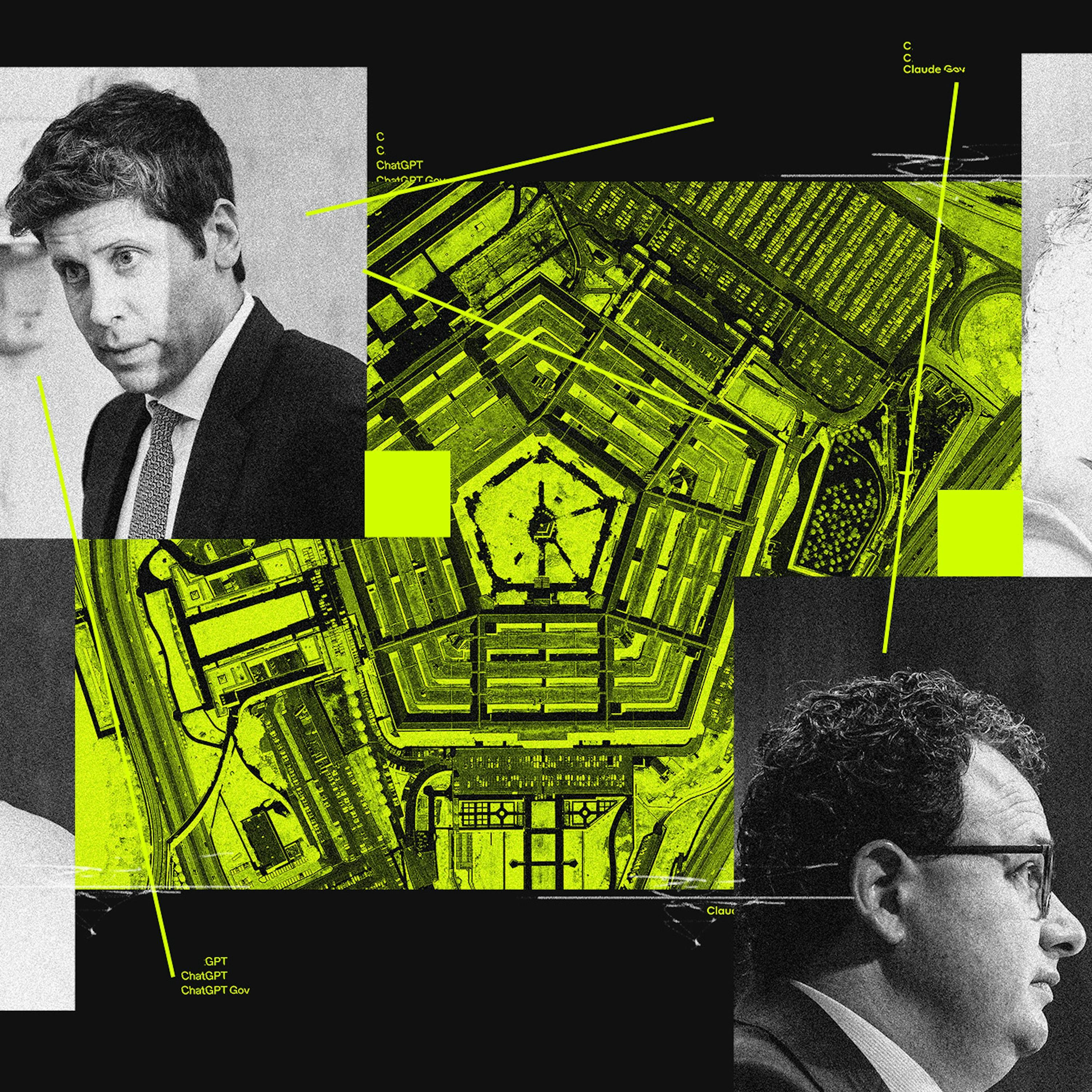
Unlike China's historical "minimal deterrence" (surviving a first strike to retaliate), the US and Russia operate on "damage limitation"—using nukes to destroy the enemy's arsenal. This logic inherently drives a numbers game, fueling an arms race as each side seeks to counter the other's growing stockpile.
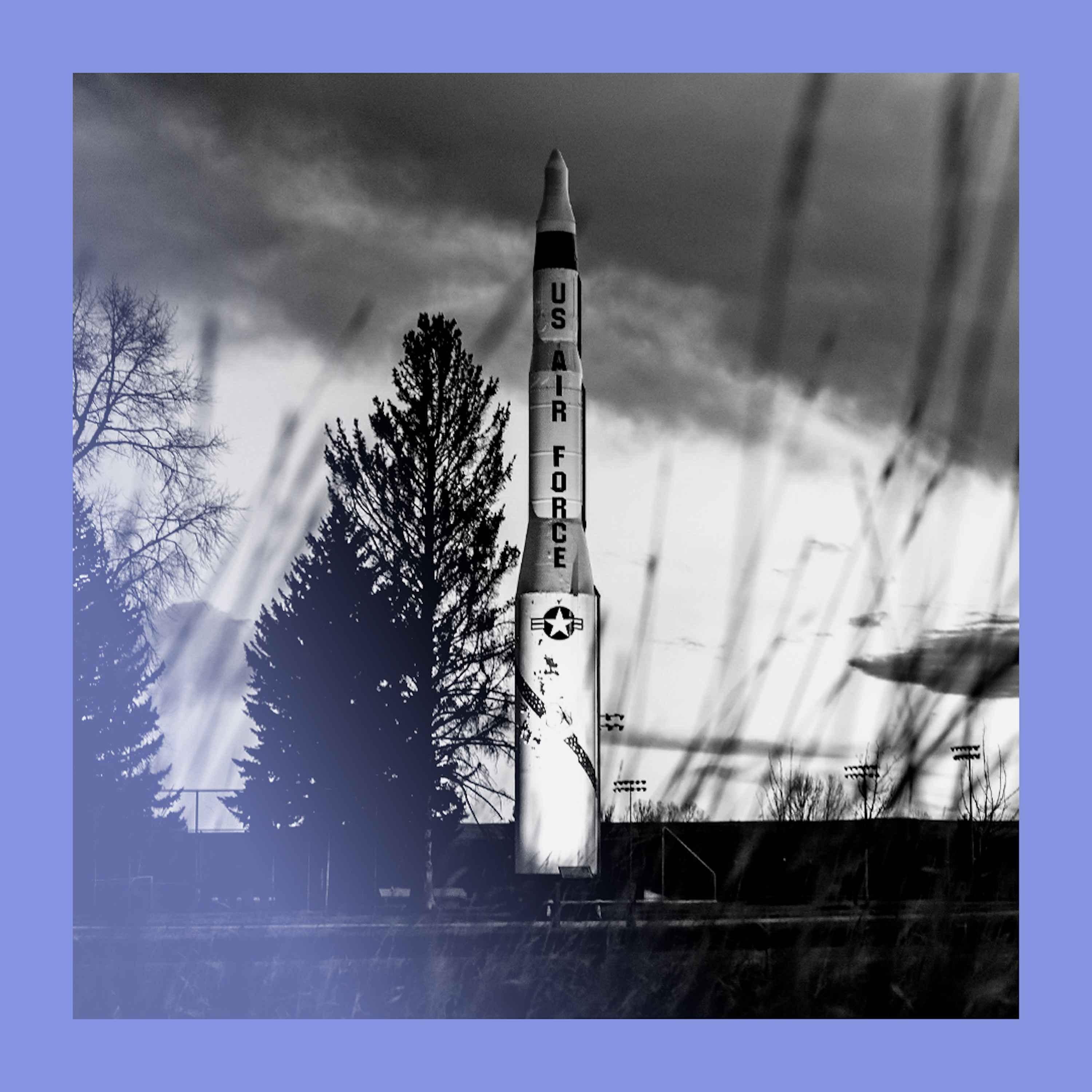
In a world with nuclear weapons, conflicts between major powers are determined less by economic or military might and more by which side demonstrates greater resolve and willingness to risk escalation. This dynamic places an upper bound on how much one state can coerce another.
To maintain a second-strike capability, a country doesn't need equally advanced AI. Low-tech countermeasures like decoys, covering roads with netting, or simply moving missile launchers more frequently can create enough uncertainty to thwart a sophisticated, AI-driven first strike.