Get your free personalized podcast brief
We scan new podcasts and send you the top 5 insights daily.
When blood glucose drops, the brain's prefrontal cortex—responsible for willpower—dims its activity to save energy. This 'energy crisis' makes it nearly impossible to resist dopamine hits from activities like social media, creating a cycle of compulsive behavior.

Related Insights
Calorie restriction alone is unsustainable because high-carb meals spike insulin, which sequesters energy from the blood into storage cells. The brain, which lacks storage capacity, perceives this drop in available energy as a crisis and triggers intense, overriding hunger, even if body fat is abundant.

Modern society turns normal behaviors like eating or gaming into potent drugs by manipulating four factors: making them infinitely available (quantity/access), more intense (potency), and constantly new (novelty). This framework explains how behavioral addictions are engineered, hijacking the brain’s reward pathways just like chemical substances.
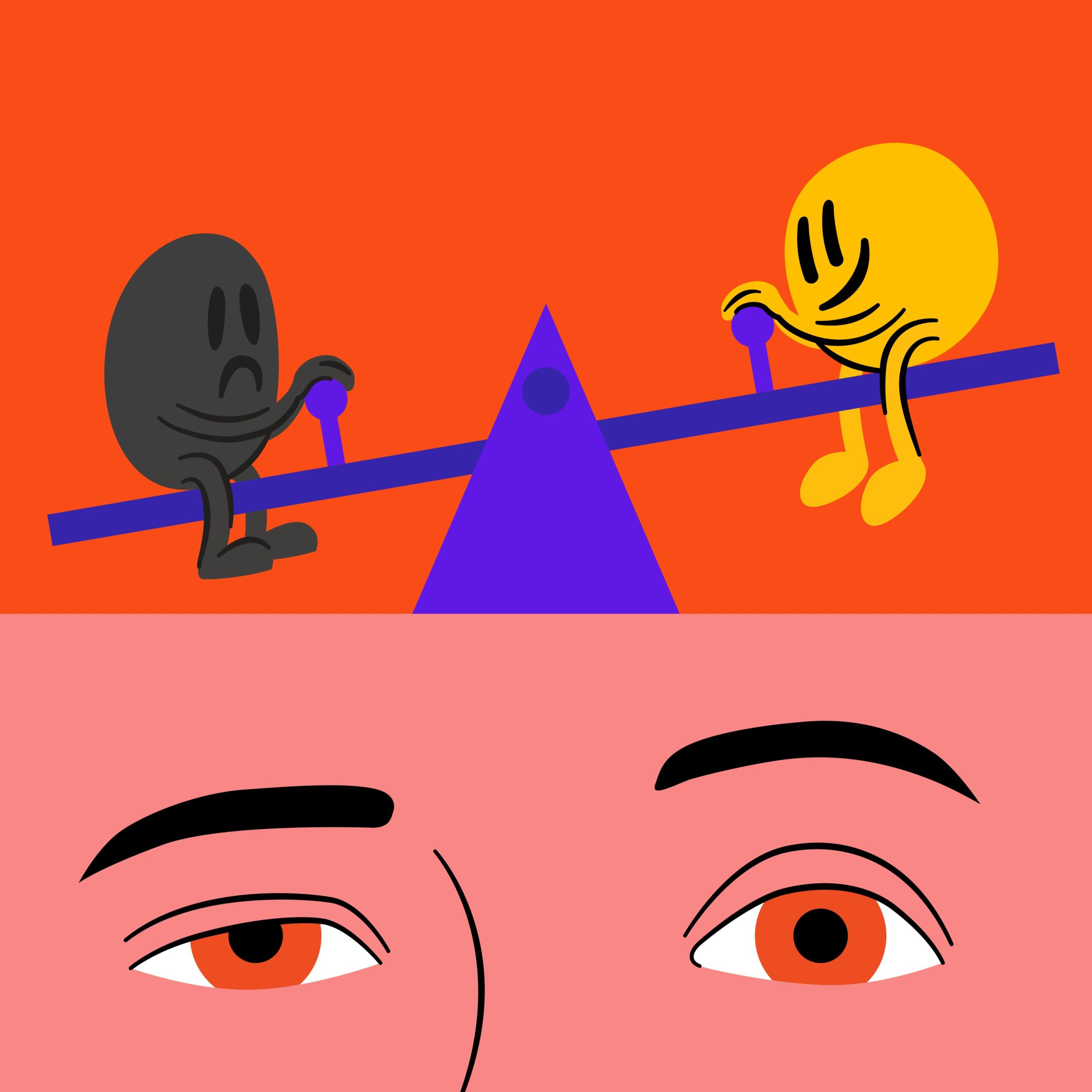
Reward isn't just about indulgence. The dopamine system can learn to value self-control and resistance. This is pathologically evident in anorexia but is also the mechanism behind healthy discipline. For athletes, the act of choosing training over socializing can itself become a dopaminergic reward, reinforcing difficult choices.

Constant switching between digital apps and tasks drains finite cognitive and emotional energy, similar to how a battery loses its charge. This cognitive depletion is a physical process based on how the brain consumes energy, not a sign of personal weakness or laziness.

When a glucose crash occurs, it triggers a powerful biological mechanism in the brain that is nearly impossible to override with willpower. Telling someone to 'just eat less sugar' is ineffective. To stop cravings, one must first fix the glucose spikes that cause the crashes.
The brain's deliberative "Pause & Piece Together" system is suppressed by stress, which boosts the impulsive "Pursue" (reward) and "Protect" (threat) systems. This neurological process explains why we make rash choices when tired or under pressure.

The host once believed he simply lacked discipline around sweets. He later realized his poor diet created intense cravings that exhausted his willpower. By eating clean, the cravings vanished, making it easy to resist temptation. This reframes willpower not as a fixed trait, but as a resource depleted by physiological factors.

The crash following a glucose spike activates the brain's craving center. This is a physiological command, not a lack of willpower. Stabilizing glucose levels eliminates the biological trigger for intense cravings, making them naturally disappear.

The theory of "ego depletion" posits that willpower is a finite daily resource, like a battery. Seemingly frivolous activities like watching TV or playing video games aren't just indulgences; they generate positive emotions that scientifically counteract depletion and restore self-regulation capabilities.
The brain's hyper-plasticity period lasts until around age 25. Constant scrolling on social media provides rapid dopamine hits that the developing brain adapts to. This can create a permanent neurological wiring that expects high stimulation, leading to agitation and dysfunction in normal environments.