Get your free personalized podcast brief
We scan new podcasts and send you the top 5 insights daily.
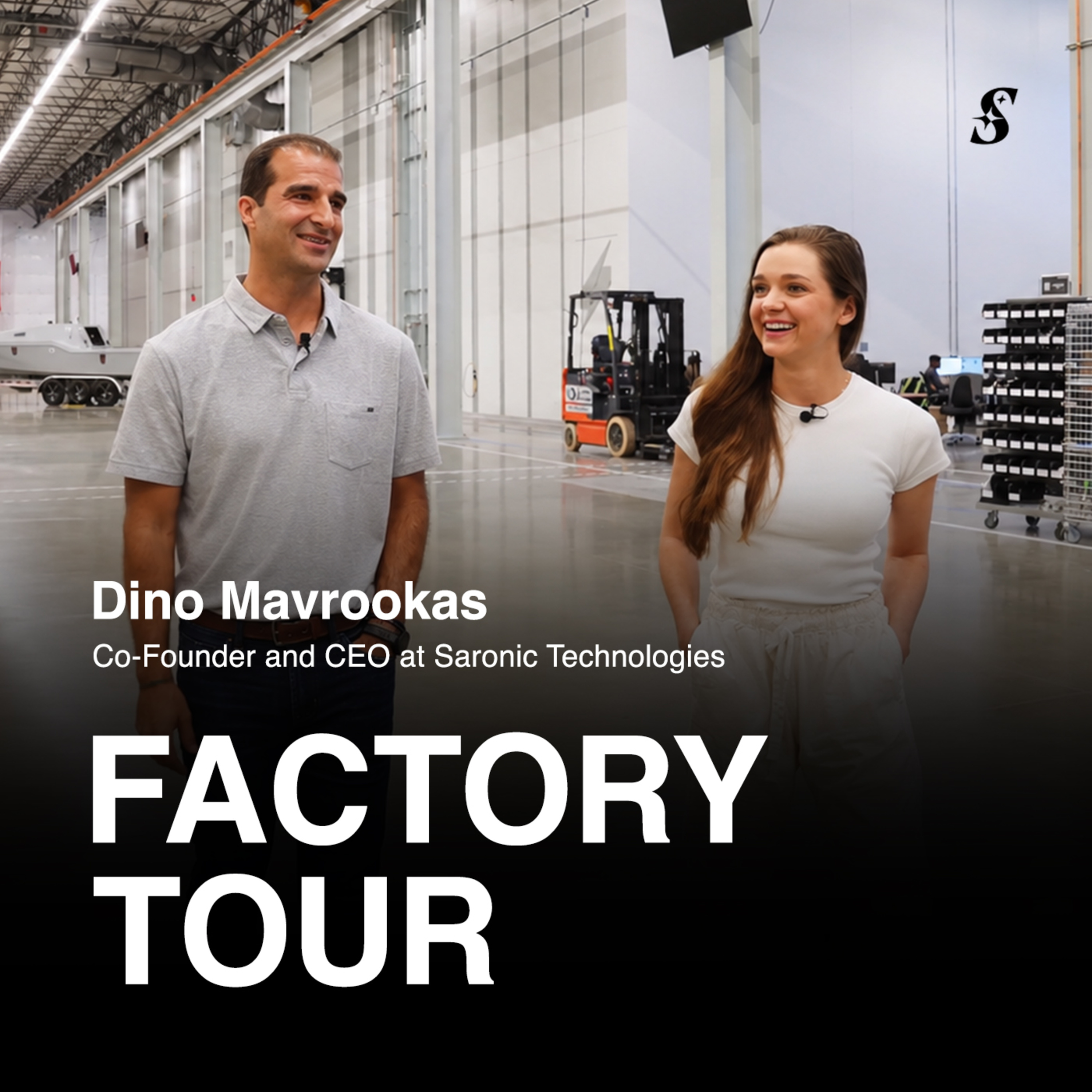
Saronic physically co-locates engineers with its production line, ensuring hardware designers can immediately solve problems that arise during manufacturing. This tight feedback loop, inspired by Tesla, eliminates the integration failures that commonly plague complex hardware projects combining hardware and software.
Related Insights
Subcontracting creates fixed interfaces between teams, leading to a "calcified architecture" where system-level optimization is impossible. Vertically integrating engineering and manufacturing in-house allows for dynamic trade-offs between disciplines, accelerating innovation and reducing costs.
![Scott Nolan - SpaceX, Founders Fund, and Rebuilding American Uranium Enrichment - [Invest Like the Best, EP.467] thumbnail](https://megaphone.imgix.net/podcasts/5edee546-3776-11f1-b41d-a76759576e87/image/908aaa6e87baf2b3d364892c4b7f9fd8.jpg?ixlib=rails-4.3.1&max-w=3000&max-h=3000&fit=crop&auto=format,compress)
By vertically integrating, Saronic can optimize a ship's design for ease of manufacturing and simultaneously design the factory layout for that specific ship. This hardware-software co-design approach, common in chipmaking, is now being applied to heavy industry for massive efficiency gains.

Relying on a traditional supply chain means inheriting its slow pace, costs, and outdated technology. By bringing core manufacturing in-house, Tesla controls its innovation speed, allowing it to move much faster and develop more integrated products than its competitors.

Impulse Space accelerates development by being 'extremely vertically integrated.' Co-locating the machine shop, assembly areas, and a test area enables a tight 'build, assemble, test' loop, allowing the team to iterate on hardware designs with maximum speed.

Boom Supersonic accelerates development by manufacturing its own parts. This shrinks the iteration cycle for a component like a turbine blade from 6-9 months (via an external supplier) to just 24 hours. This rapid feedback loop liberates engineers from "analysis paralysis" and allows them to move faster.

For hard tech startups, the decision to vertically integrate and build a factory shouldn't be automatic. It's a strategic imperative only when "cadence"—the speed of iteration and delivery—is the primary competitive advantage. In such cases, the in-house capability to move fast outweighs the high capital cost.

Neros seats its mechanical engineering, manufacturing, and supply chain teams directly next to the production line. This close physical proximity ensures constant communication and collaboration, preventing a common failure mode where products are designed in a silo without considering manufacturability and then "thrown over the fence" to production.
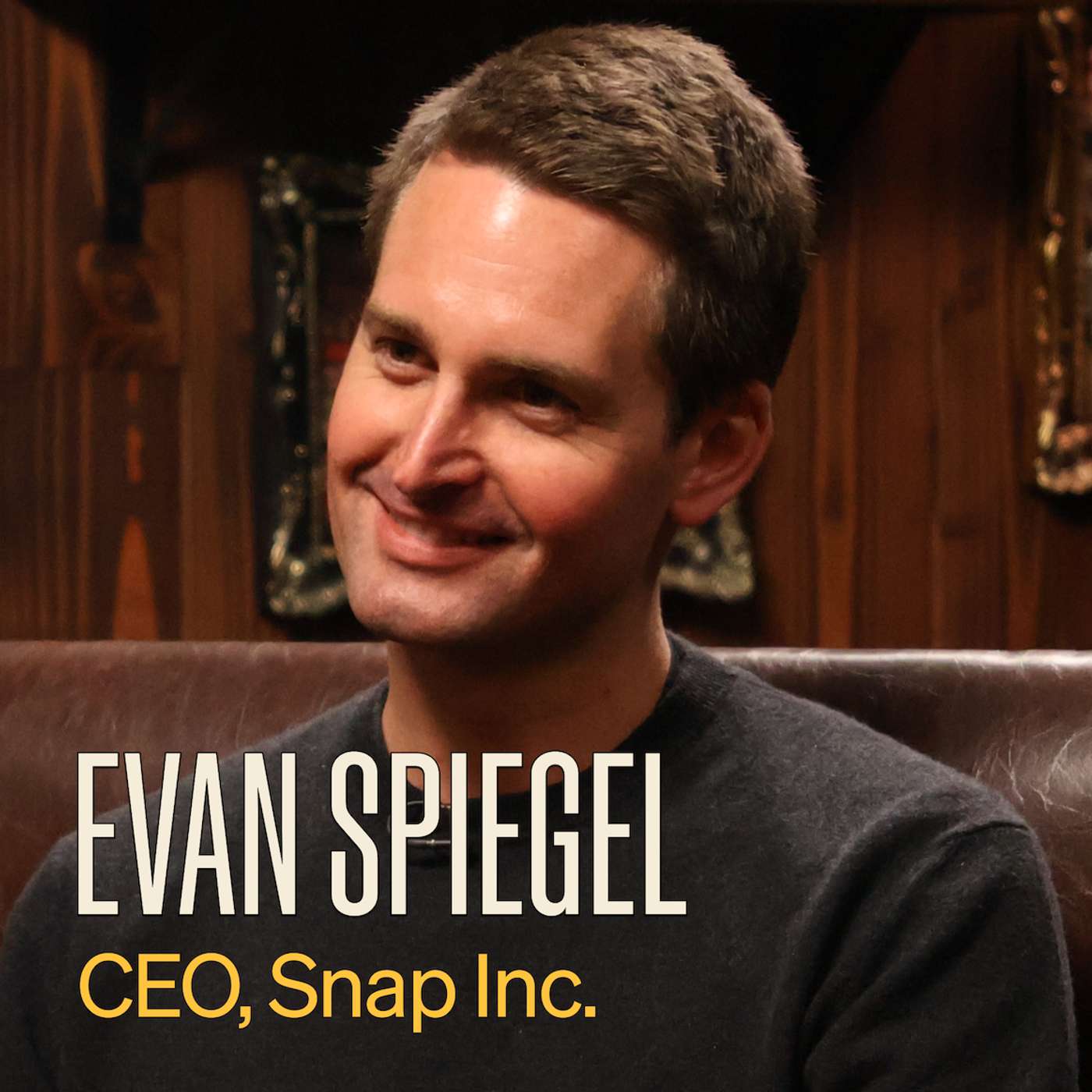
To accelerate iteration and protect intellectual property, Snap manufactures its most sophisticated hardware components, like the waveguides for Spectacles, in-house in the US and UK. This co-location of R&D and manufacturing provides a competitive edge over rivals who fully outsource production.
At American Housing Corp, engineers who design components also manufacture them in the factory and assemble them in the field. This forces them to experience the "pain" of their design decisions firsthand, creating a rapid, visceral feedback loop that leads to faster and more effective product improvements.

Anduril's R&D building houses machine shops, labs, and a 'dev test area' designed specifically to break products. By putting engineers across the parking lot from facilities that can rapidly prototype and test for failures (e.g., saltwater corrosion, vibration), they create an extremely tight feedback loop, speeding up iteration.