Get your free personalized podcast brief
We scan new podcasts and send you the top 5 insights daily.
By vertically integrating, Saronic can optimize a ship's design for ease of manufacturing and simultaneously design the factory layout for that specific ship. This hardware-software co-design approach, common in chipmaking, is now being applied to heavy industry for massive efficiency gains.

Related Insights
Divergent created a product-agnostic manufacturing system where factories can adaptively switch between vastly different products, like a car chassis or a missile airframe, using the same vertically integrated hardware. This creates a flexible, scalable industrial platform.
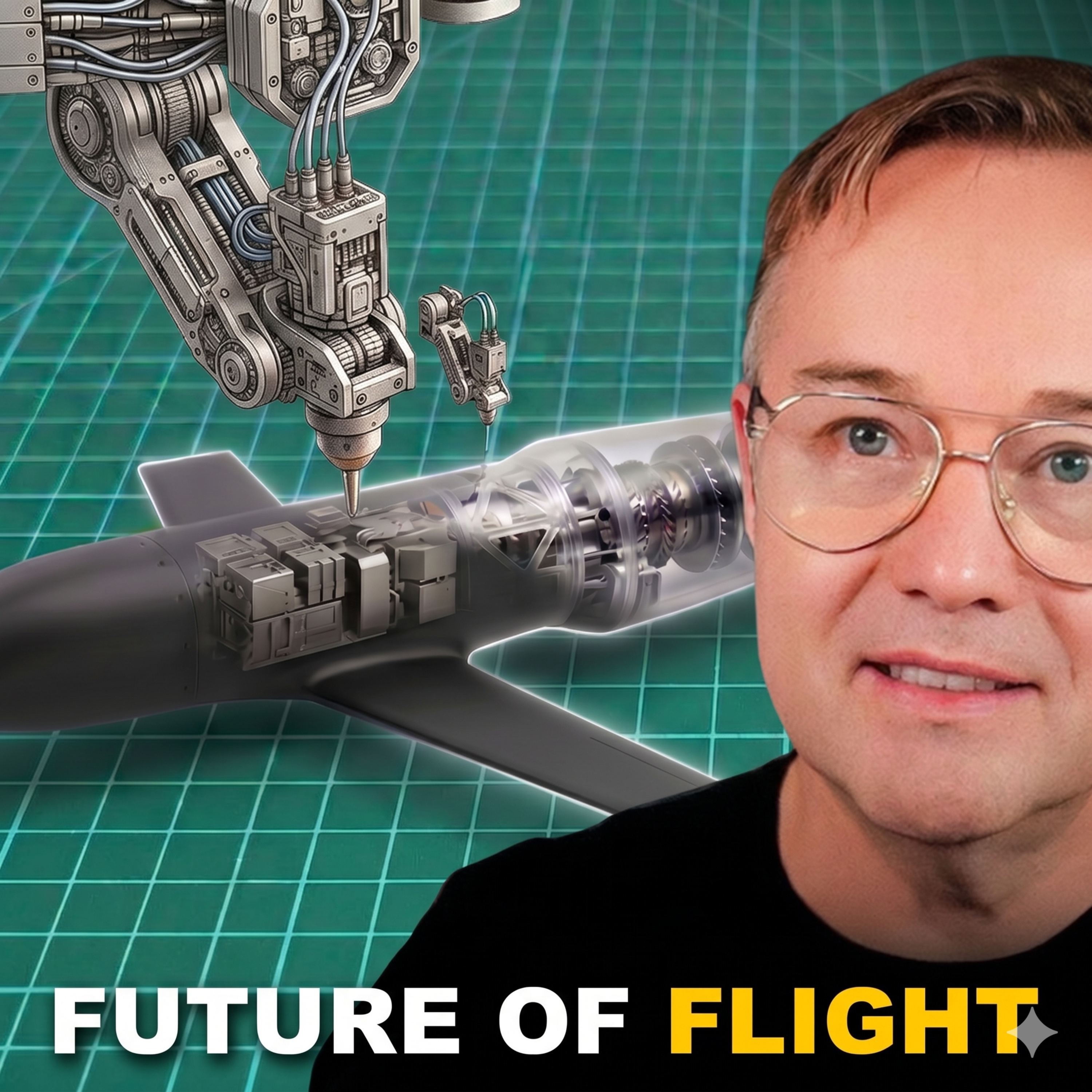
Subcontracting creates fixed interfaces between teams, leading to a "calcified architecture" where system-level optimization is impossible. Vertically integrating engineering and manufacturing in-house allows for dynamic trade-offs between disciplines, accelerating innovation and reducing costs.
![Scott Nolan - SpaceX, Founders Fund, and Rebuilding American Uranium Enrichment - [Invest Like the Best, EP.467] thumbnail](https://megaphone.imgix.net/podcasts/5edee546-3776-11f1-b41d-a76759576e87/image/908aaa6e87baf2b3d364892c4b7f9fd8.jpg?ixlib=rails-4.3.1&max-w=3000&max-h=3000&fit=crop&auto=format,compress)
Autonomy enables a first-principles redesign of vessels. By eliminating the need for human crews, ships can be built with fundamentally less steel and fewer labor hours, drastically reducing costs and build times compared to traditional naval platforms.

Modern factories like Hadrian's use software not just for automation but for agility. This allows them to quickly reconfigure production lines for small batches of highly varied parts ('high mix, low volume'), a necessity for complex systems like submarines where components are not mass-produced.
Impulse Space accelerates development by being 'extremely vertically integrated.' Co-locating the machine shop, assembly areas, and a test area enables a tight 'build, assemble, test' loop, allowing the team to iterate on hardware designs with maximum speed.

Palantir is applying AI software to US shipyards to dramatically accelerate production. The technology has reduced planning processes that previously took hundreds of man-hours per week to just 10 minutes, and manufacturing bill of materials generation from 200 hours to 12 seconds, aiming to overcome production bottlenecks.

Boom Supersonic accelerates development by manufacturing its own parts. This shrinks the iteration cycle for a component like a turbine blade from 6-9 months (via an external supplier) to just 24 hours. This rapid feedback loop liberates engineers from "analysis paralysis" and allows them to move faster.
Companies like SpaceX built their own operating systems (like Warp Drive) because off-the-shelf solutions couldn't handle their complexity and speed. For Senra, this means building custom software and automation. Vertical integration is not a choice but a necessity when the external industrial base is a bottleneck to growth.
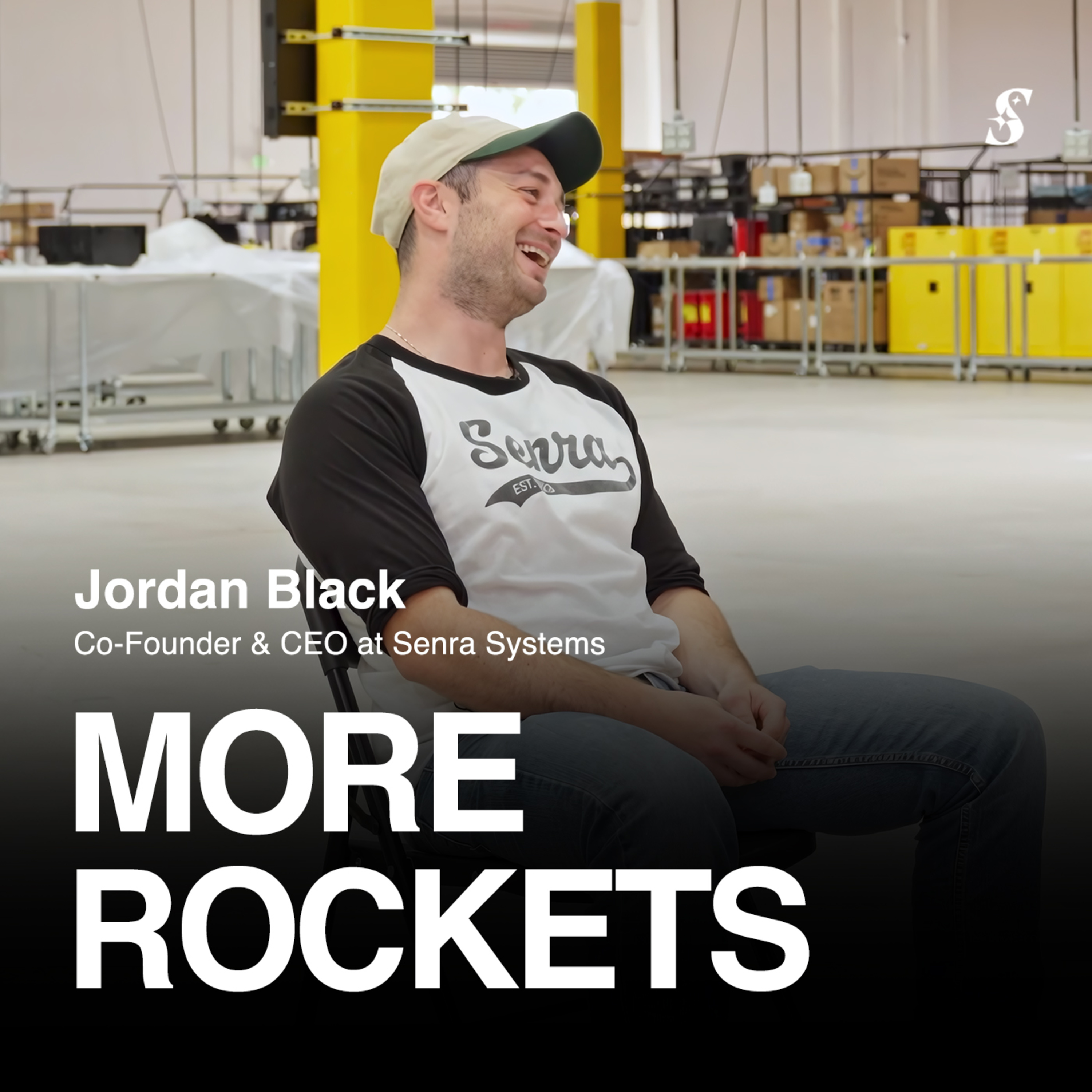
Construction tech startup ICON has succeeded where others failed by vertically integrating the entire home-building process. They control the design software, robotics, proprietary material science (Lavacrete), and regulatory navigation. This holistic approach solves the whole problem, unlike predecessors who merely sold printing hardware.

The physical separation between US designers and overseas factories has weakened the crucial skill of designing for manufacturability (DFM). AI can rebuild this atrophied muscle by programmatically enforcing manufacturing constraints during the design phase. An AI agent can tirelessly iterate a design until it meets hundreds of DFM checks, a task a human designer might skip.