Get your free personalized podcast brief
We scan new podcasts and send you the top 5 insights daily.
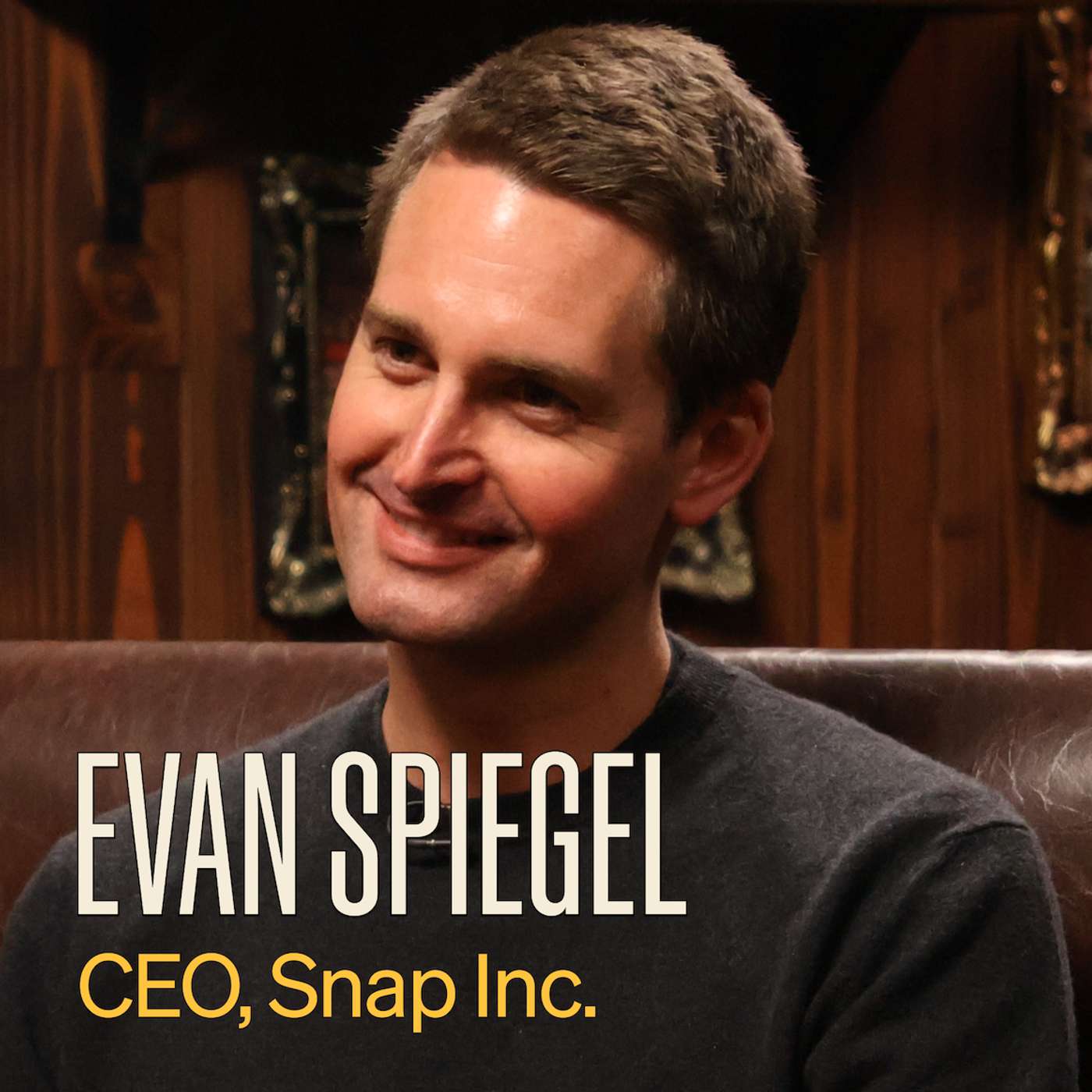
To accelerate iteration and protect intellectual property, Snap manufactures its most sophisticated hardware components, like the waveguides for Spectacles, in-house in the US and UK. This co-location of R&D and manufacturing provides a competitive edge over rivals who fully outsource production.
Related Insights
Integrating capabilities like machining isn't just a cost-saver. For startups, it's a strategic advantage that grants direct control over the development lifecycle, enabling rapid iteration and faster time-to-market by eliminating vendor dependencies.

The build vs. outsource decision is strategic. Building in-house is justified when manufacturing is a core competitive advantage or the process itself is your key IP. Otherwise, outsourcing to a CDMO offers critical speed to clinic and preserves capital.

Relying on a traditional supply chain means inheriting its slow pace, costs, and outdated technology. By bringing core manufacturing in-house, Tesla controls its innovation speed, allowing it to move much faster and develop more integrated products than its competitors.

Vivtex avoids outsourcing critical R&D because external partners and CROs cannot match the speed of a startup team whose very existence depends on solving problems quickly. This internal urgency is a core competitive advantage that is lost when relying on third parties with different priorities.

Boom Supersonic accelerates development by manufacturing its own parts. This shrinks the iteration cycle for a component like a turbine blade from 6-9 months (via an external supplier) to just 24 hours. This rapid feedback loop liberates engineers from "analysis paralysis" and allows them to move faster.

For hard tech startups, the decision to vertically integrate and build a factory shouldn't be automatic. It's a strategic imperative only when "cadence"—the speed of iteration and delivery—is the primary competitive advantage. In such cases, the in-house capability to move fast outweighs the high capital cost.

Skydio initially chose US manufacturing for practical reasons: faster iteration. This contrarian decision later became a critical strategic advantage, insulating them from supply chain risks and allowing them to survive direct sanctions from the Chinese government.

Long before AI made it obvious, Snap realized its software features were easily copied. This early insight drove their strategy to build more durable moats by investing in defensible ecosystems (like their AR developer platform) and vertically integrated hardware (Spectacles), which are much harder to replicate.

For zero-to-one technologies like humanoid robotics, relying on a supply chain is too slow. ONE X develops everything in-house, from new materials to foundation AI models. This enables rapid, cross-disciplinary iteration, as key discoveries happen at the intersection of hardware, software, and materials science.

Companies, especially in early stages, should resist outsourcing production too quickly. Keeping a new process in-house is essential for understanding its pain points, which is a prerequisite for being able to specify clear, effective requirements to an external vendor later on.