Get your free personalized podcast brief
We scan new podcasts and send you the top 5 insights daily.
Regular reliance on AI for communication prevents the trial-and-error process through which individuals historically developed a unique voice. While current users can adapt AI output to their existing style, future generations may never form one to begin with.

Related Insights
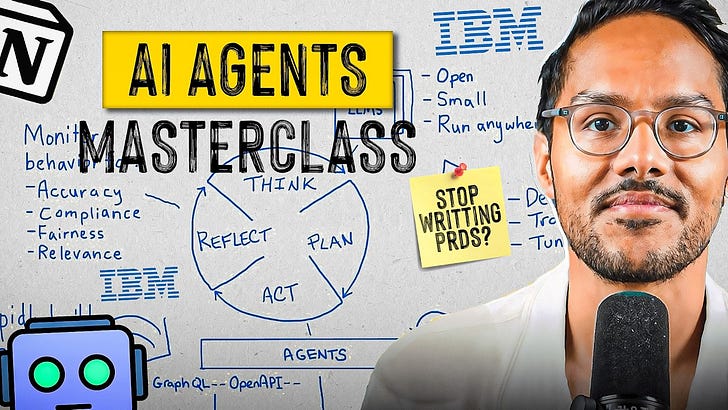
While AI tools once gave creators an edge, they now risk producing democratized, undifferentiated output. IBM's AI VP, who grew to 200k followers, now uses AI less. The new edge is spending more time on unique human thinking and using AI only for initial ideation, not final writing.
Using generative AI to produce work bypasses the reflection and effort required to build strong knowledge networks. This outsourcing of thinking leads to poor retention and a diminished ability to evaluate the quality of AI-generated output, mirroring historical data on how calculators impacted math skills.
AI struggles with true creativity because it's designed to optimize for correctness, like proper grammar. Humans, in contrast, optimize for meaning and emotional resonance. This is why ChatGPT would not have generated Apple's iconic "Think Different" slogan—it breaks grammatical rules to create a more powerful idea. Over-reliance on AI risks losing an authentic, human voice.

Historically, well-structured writing served as a reliable signal that the author had invested time in research and deep thinking. Economist Bernd Hobart notes that because AI can generate coherent text without underlying comprehension, this signal is lost. This forces us to find new, more reliable ways to assess a person's actual knowledge and wisdom.

While AI can accelerate tasks like writing, the real learning happens during the creative process itself. By outsourcing the 'doing' to AI, we risk losing the ability to think critically and synthesize information. Research shows our brains are physically remapping, reducing our ability to think on our feet.

As platforms like LinkedIn become saturated with generic AI content, authentic human voices stand out more than ever. A distinct, personal writing style—even with occasional typos—is becoming a powerful differentiator that cuts through the noise and builds trust.

The process of writing is an invaluable tool for refining your ideas and achieving clarity of thought. Relying on LLMs to generate text for you bypasses this critical thinking process, ultimately hindering your own intellectual growth and ability to articulate complex concepts.

In an AI-driven world, unique stylistic choices—like specific emoji use, unconventional capitalization, or even intentional typos—serve as crucial signifiers of human authenticity. These personal quirks build a distinct brand voice and assure readers that a real person is behind the writing.

Contrary to fears that AI averages out creativity, it can act as a partner to challenge a writer's habitual thinking, suggest alternative phrasings, and identify blind spots, ultimately leading to more original output.
A primary danger of AI is its ability to offer young men 'low friction' relationships with AI characters. This circumvents the messy, difficult, but necessary process of real-world interaction, stunting the development of social skills and resilience that are forged through the friction of human connection.