Get your free personalized podcast brief
We scan new podcasts and send you the top 5 insights daily.
As platforms like LinkedIn become saturated with generic AI content, authentic human voices stand out more than ever. A distinct, personal writing style—even with occasional typos—is becoming a powerful differentiator that cuts through the noise and builds trust.

Related Insights
While AI tools once gave creators an edge, they now risk producing democratized, undifferentiated output. IBM's AI VP, who grew to 200k followers, now uses AI less. The new edge is spending more time on unique human thinking and using AI only for initial ideation, not final writing.
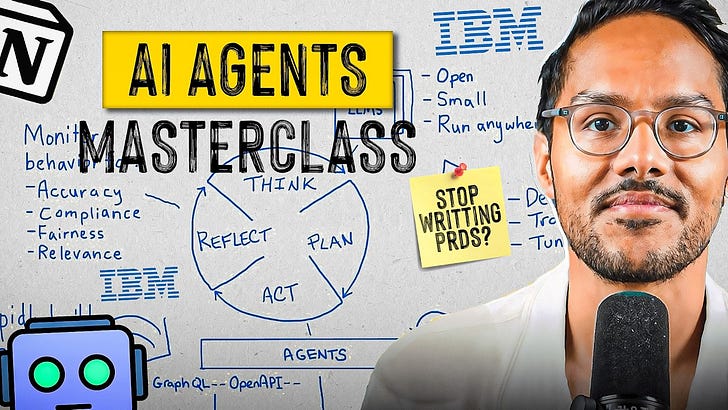
In the age of AI, the new standard for value is the "GPT Test." If a person's public statements, writing, or ideas could have been generated by a large language model, they will fail to stand out. This places an immense premium on true originality, deep insight, and an authentic voice—the very things AI struggles to replicate.

As AI automates content creation, the ultimate differentiator becomes authentic human connection. This means prioritizing "reading the room," sharing personal stories, and even being inefficient to foster genuine relationships. While AI optimizes for output, marketers who optimize for humanity will build more resilient brands.

As AI generates endless look-alike content, a brand's ability to create genuine, human-to-human connection is a unique and defensible advantage. This 'vibe' cannot be automated or easily replicated, making it a crucial competitive differentiator in a crowded market.

As AI generates vast amounts of generic content, brands that showcase genuine human stories, empathy, and creativity will build stronger connections and trust that technology cannot replicate.
As AI floods the internet with generic content, consumers are growing skeptical of corporate voices. This is accelerating a shift in trust from faceless brands to authentic individuals and creators. B2B marketing must adapt by building strategies around these human-led channels, which now often outperform traditional brand-led marketing.

AI cannot replicate your lived experience, personal experiments, or unique perspective. To make your content "AI-proof," lead with your own stories, data, and case studies. Sharing screenshots, income reports, and personal struggles creates content that AI can't remix, making your voice irreplaceable.

The rise of LLMs creates a new bar for leadership communication: the "GPT test." If a public figure's statements or writings are indistinguishable from what ChatGPT could generate, they will fail to build an authentic brand. This forces a shift towards genuine originality and unpolished thought.
In an AI-driven world, unique stylistic choices—like specific emoji use, unconventional capitalization, or even intentional typos—serve as crucial signifiers of human authenticity. These personal quirks build a distinct brand voice and assure readers that a real person is behind the writing.

While AI can replicate content and strategy, it cannot replicate your unique voice, story, and perspective. The parts of yourself you're trained to hide—vulnerability, imperfection, emotion—are what make you magnetic and build lasting connections with an audience.
