Get your free personalized podcast brief
We scan new podcasts and send you the top 5 insights daily.
AI struggles with true creativity because it's designed to optimize for correctness, like proper grammar. Humans, in contrast, optimize for meaning and emotional resonance. This is why ChatGPT would not have generated Apple's iconic "Think Different" slogan—it breaks grammatical rules to create a more powerful idea. Over-reliance on AI risks losing an authentic, human voice.

Related Insights
While AI tools once gave creators an edge, they now risk producing democratized, undifferentiated output. IBM's AI VP, who grew to 200k followers, now uses AI less. The new edge is spending more time on unique human thinking and using AI only for initial ideation, not final writing.
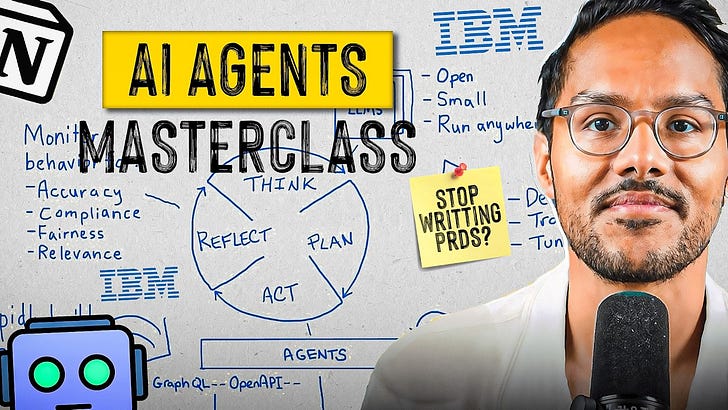
Generative AI is a powerful tool for accelerating the production and refinement of creative work, but it cannot replace human taste or generate a truly compelling core idea. The most effective use of AI is as a partner to execute a pre-existing, human-driven concept, not as the source of the idea itself.

AI is engineered to eliminate errors, which is precisely its limitation. True human creativity stems from our "bugs"—our quirks, emotions, misinterpretations, and mistakes. This ability to be imperfect is what will continue to separate human ingenuity from artificial intelligence.

In the age of AI, the new standard for value is the "GPT Test." If a person's public statements, writing, or ideas could have been generated by a large language model, they will fail to stand out. This places an immense premium on true originality, deep insight, and an authentic voice—the very things AI struggles to replicate.

True creative mastery emerges from an unpredictable human process. AI can generate options quickly but bypasses this journey, losing the potential for inexplicable, last-minute genius that defines truly great work. It optimizes for speed at the cost of brilliance.

AI models operate in a 'probability space,' making predictions by interpolating from past data. True human creativity operates in a 'possibility space,' generating novel ideas that have no precedent and cannot be probabilistically calculated. This is why AI can't invent something truly new.

Atwood argues AI fails at original writing because it lacks a singular human mind or "soul." It can mimic formulas but cannot create a genuine voice or understand core principles of storytelling, like the constraints of a dystopia where characters cannot simply leave.

The rise of LLMs creates a new bar for leadership communication: the "GPT test." If a public figure's statements or writings are indistinguishable from what ChatGPT could generate, they will fail to build an authentic brand. This forces a shift towards genuine originality and unpolished thought.
Contrary to fears that AI averages out creativity, it can act as a partner to challenge a writer's habitual thinking, suggest alternative phrasings, and identify blind spots, ultimately leading to more original output.
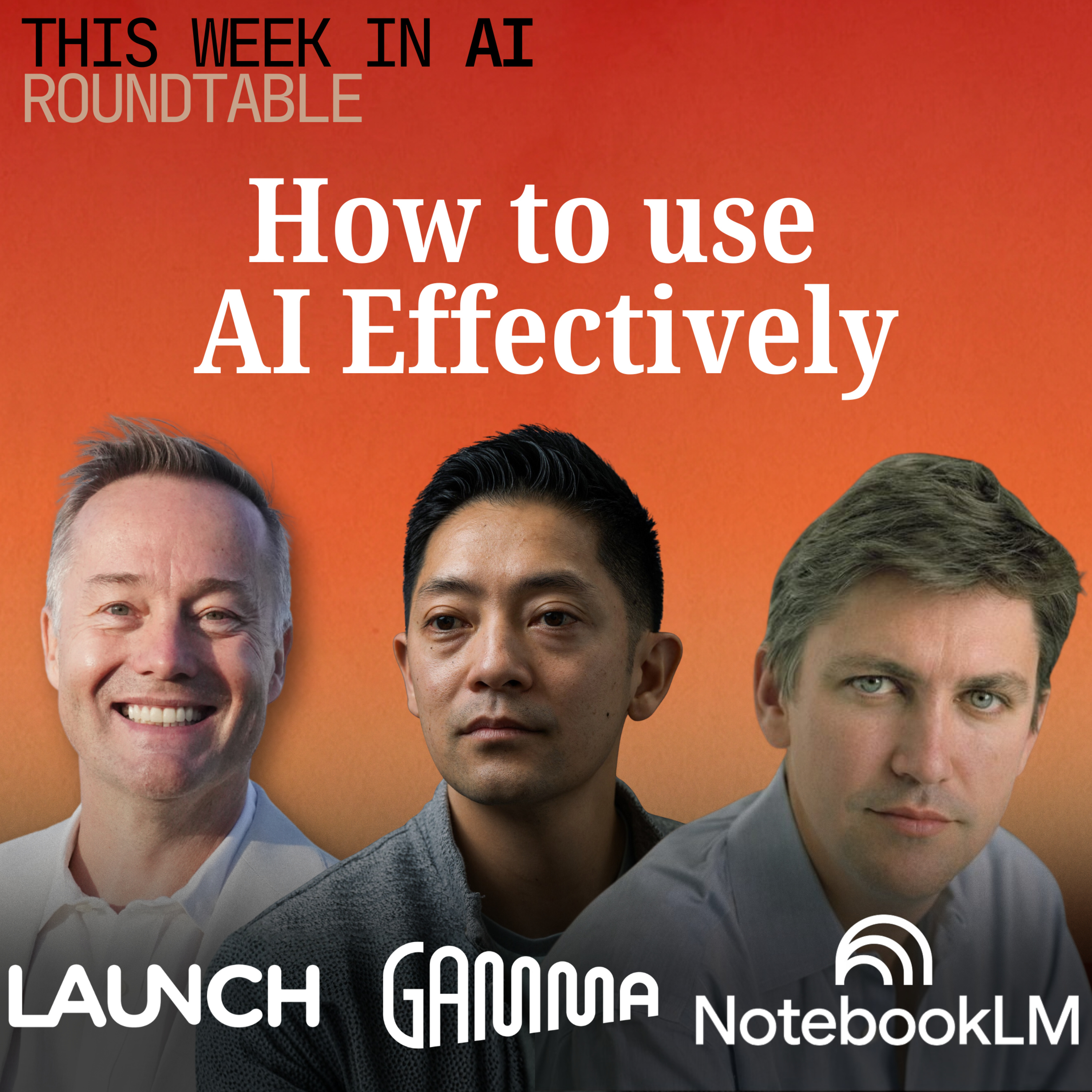
While AI is a powerful tool for generating tactical marketing assets like ad copy, it should not replace human collaboration for foundational strategic work. Core brand positioning requires the emotional nuance, debate, and judgment that can only come from a human team.
