Get your free personalized podcast brief
We scan new podcasts and send you the top 5 insights daily.
Experiments show that perception doesn't speed up in life-threatening situations. Instead, the brain's fear center (amygdala) lays down much denser memories. When recalling the event, the brain interprets this high density of information as a longer duration of time.

Related Insights
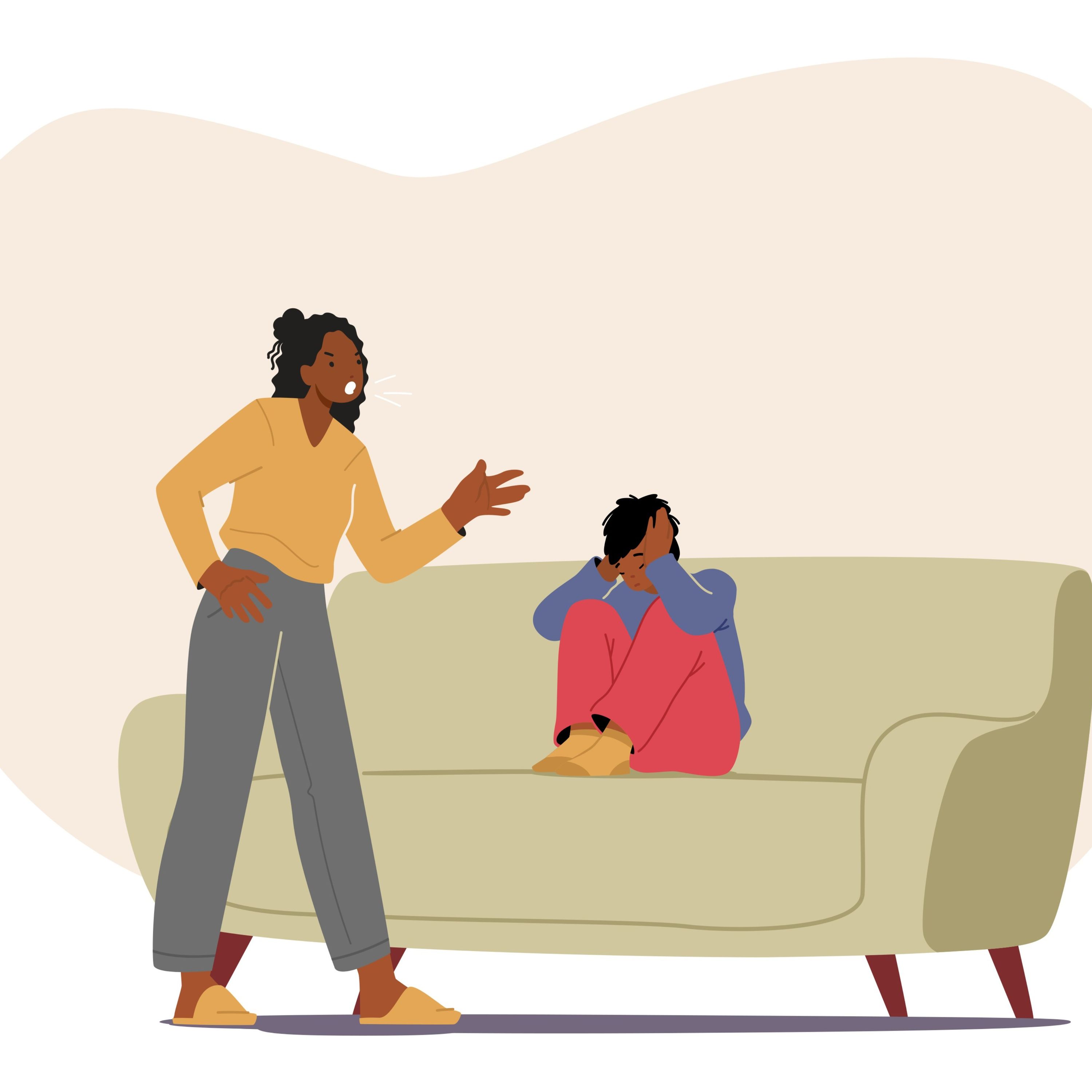
Trauma is not an objective property of an event but a subjective experience created by the relationship between a present situation and past memories. Because experience is a combination of sensory input and remembered past, changing the meaning or narrative of past events can change the experience of trauma itself.

Memory doesn't work like a linear filing system. It's stored in associative patterns based on themes and emotions. When one memory is activated, it can trigger a cascade of thematically connected memories, regardless of when they occurred, explaining why a current event can surface multiple similar past experiences.
The past often seems more beautiful in hindsight because we can view it without the cloud of uncertainty and fear we felt at the time. In the present, our experience is tarnished by worries about a million possible negative outcomes. In retrospect, we see that only one (or none) came to pass, allowing us to romanticize the experience.

Salient emotional events feel vivid and true, boosting our confidence in the memory. However, this confidence is often misleading. Each time we recall and "reconstruct" these memories, we create more opportunities for errors to creep in, making them factually less reliable than we believe.
The "repetition compulsion" is driven by the brain's limbic (emotional) system, which trumps logic and has no concept of time. It compels individuals to recreate traumatic scenarios in an attempt to achieve a better outcome and "fix" the original wound.

The brain doesn't strive for objective, verbatim recall. Instead, it constantly updates and modifies memories, infusing them with emotional context and takeaways. This process isn't a bug; its purpose is to create useful models to guide future decisions and ensure survival.

The physiological state of nervousness—heightened alertness and agitation from adrenaline—is identical to that of excitement. Neuroscientist Andrew Huberman explains the emotional difference comes entirely from our cognitive framing, or the top-down label we apply to the physical sensations.
The fundamental dynamics of consciousness may be timeless, without increasing entropy. Our linear experience of time is an emergent property created by the loss of information when that timeless reality is projected into our limited human interface.

The subjective passage of time is linked to the density of new memories created. Routine weekends feel short because few new memories are formed. By seeking novelty—taking a new route home or rearranging your office—you force the brain to record more, stretching your subjective sense of time.
While repetition is crucial for skill mastery, the brain eventually stops recording familiar experiences to conserve energy. This neurological efficiency causes our perception of time to speed up as we age. To counteract this, one must intentionally introduce new challenges to keep the brain actively creating new memories.