Get your free personalized podcast brief
We scan new podcasts and send you the top 5 insights daily.
Unlike 2010s DTC brands that offered cheaper alternatives to expensive goods (e.g., Warby Parker), Fish Wife's strategy is the opposite. It created a high-quality, premium category for a product previously seen as a low-cost commodity, proving consumers will pay more for superior quality and branding.

Related Insights
The founder was inspired by high-quality, simple tinned fish served as free tapas in Granada, Spain. This experience revealed an unmet American demand for premium, European-style canned seafood, forming the basis for the company's brand positioning and product strategy.
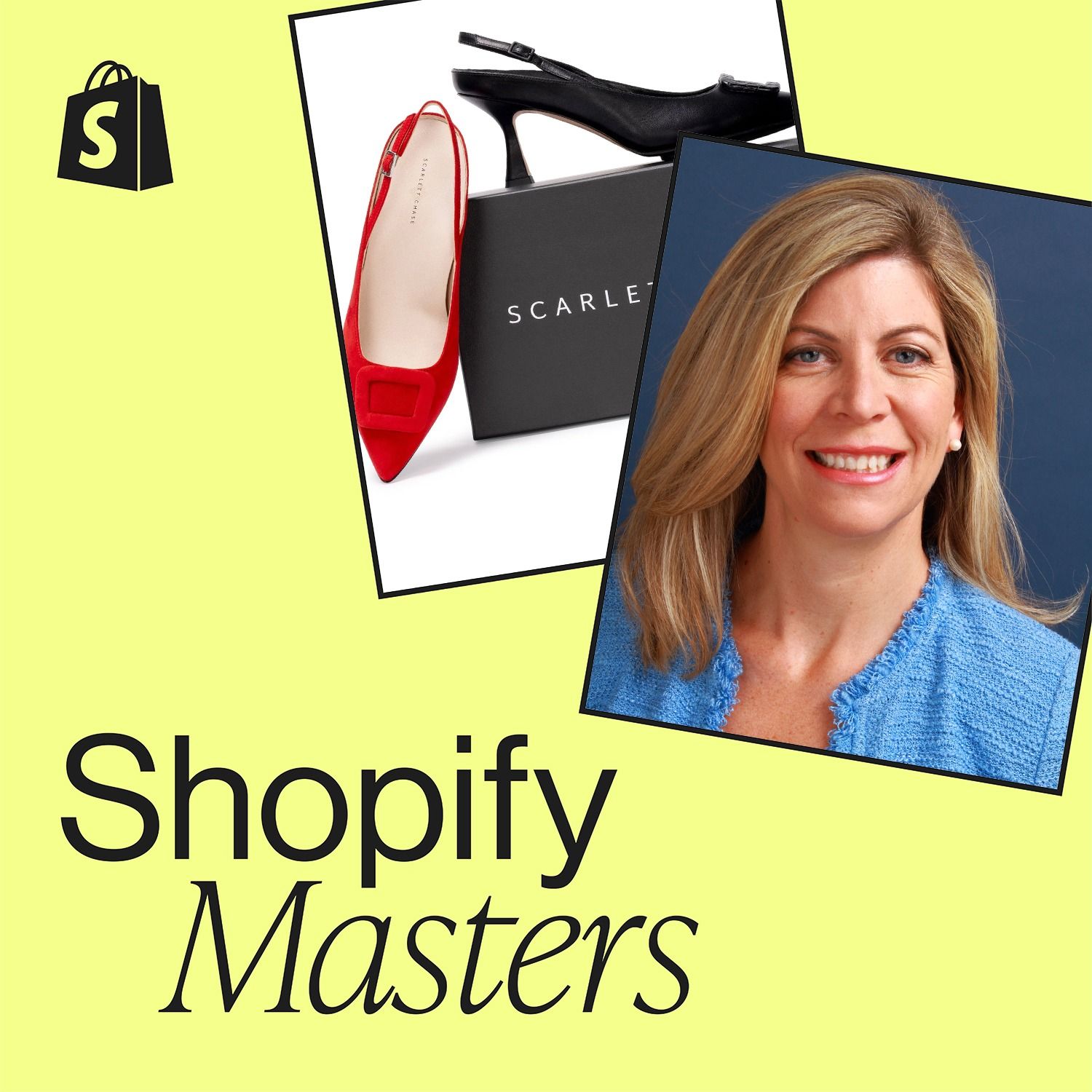
Instead of lowering prices to capture a wider audience, Scarlet Chase embraces a high-end niche. The founder's philosophy is that diluting the product's quality for broader appeal is a mistake. The strategy is to deliver exceptional value to a focused group of customers who can afford and appreciate the investment.
Unlike struggling D2C peers like Allbirds and Everlane, Warby Parker remains a multi-billion dollar company. This divergence suggests that D2C brands selling essential products like prescription eyewear have a more sustainable business model than those focused on discretionary, trend-driven fashion items.
Unlike other fruits, dates are sold under distinct brands because the industry positions them as a luxury treat, similar to chocolate, rather than simple produce. This strategy of shifting the product's purpose from utility to indulgence allows for brand differentiation and premium pricing.

For a premium DTC brand, broad retail expansion is a trap that reduces margins, invites knockoffs, and cheapens the brand. Instead, selectively partner with only a few key, trusted retailers to reach new, targeted audiences without overexposing the product and sacrificing its premium positioning.

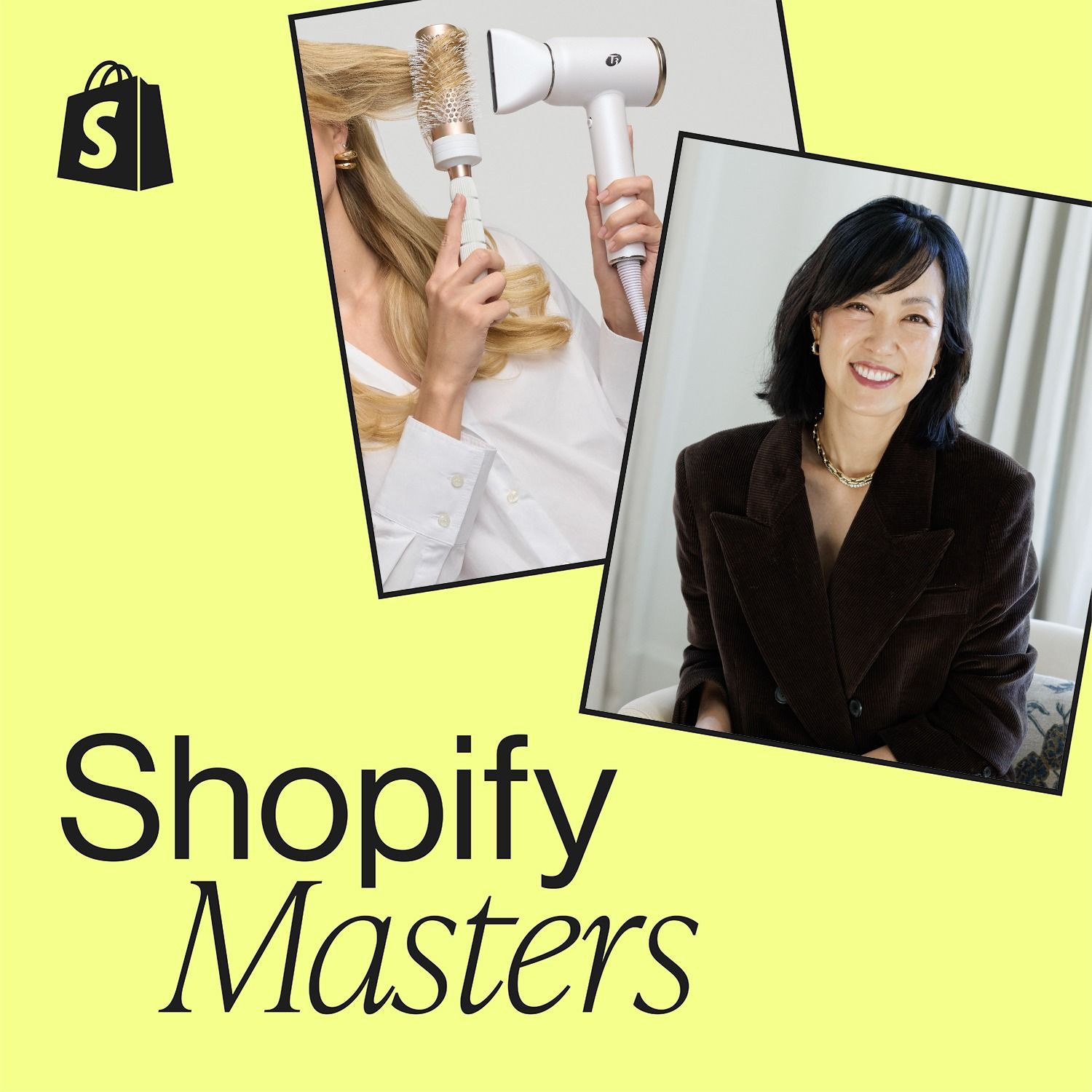
T3 redefined the hair tool category by moving its products from the home appliance section to the beauty floor. By insisting on placement next to high-end skincare and cosmetics in retailers like Nordstrom, they changed consumer perception, justified a premium price, and created an entirely new market segment.
Initially threatened by dupes, Rianne Silva reframed them as a necessary market force. The existence of cheaper alternatives allowed Beauty Blender to constantly reinforce its own story of originality, quality, and superior performance, strengthening its premium brand positioning.

Fly By Jing's success didn't just build a brand; it created a new market category. This visibility inspired other founders and signaled to retailers that a demand existed. This demonstrates that forging a new path can create a "rising tide" that grows the entire market, benefiting everyone involved.

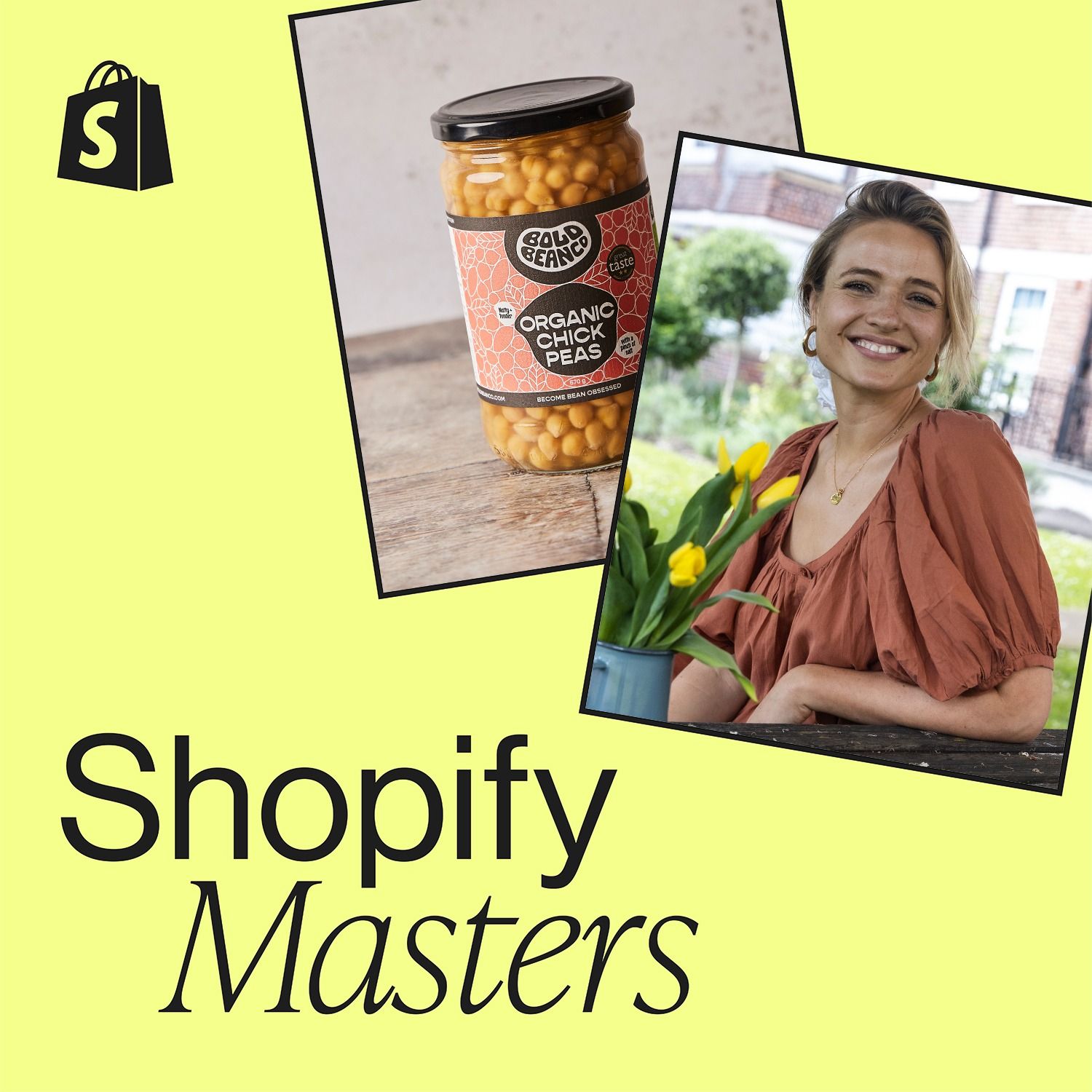
Bold Bean Co. found that creating a premium product in a "forgotten, dull" category like beans was a strategic advantage. The novelty makes consumers talk. People find it entertaining to become obsessed with beans, generating more word-of-mouth than launching yet another premium chocolate brand.
A brand can make a generic product unique, commanding higher prices and loyalty. Products may come off the same manufacturing line as a generic store brand, but the brand itself allows for a price premium, higher conversion, and increased stickiness, effectively creating a moat where one didn't exist.
