Get your free personalized podcast brief
We scan new podcasts and send you the top 5 insights daily.
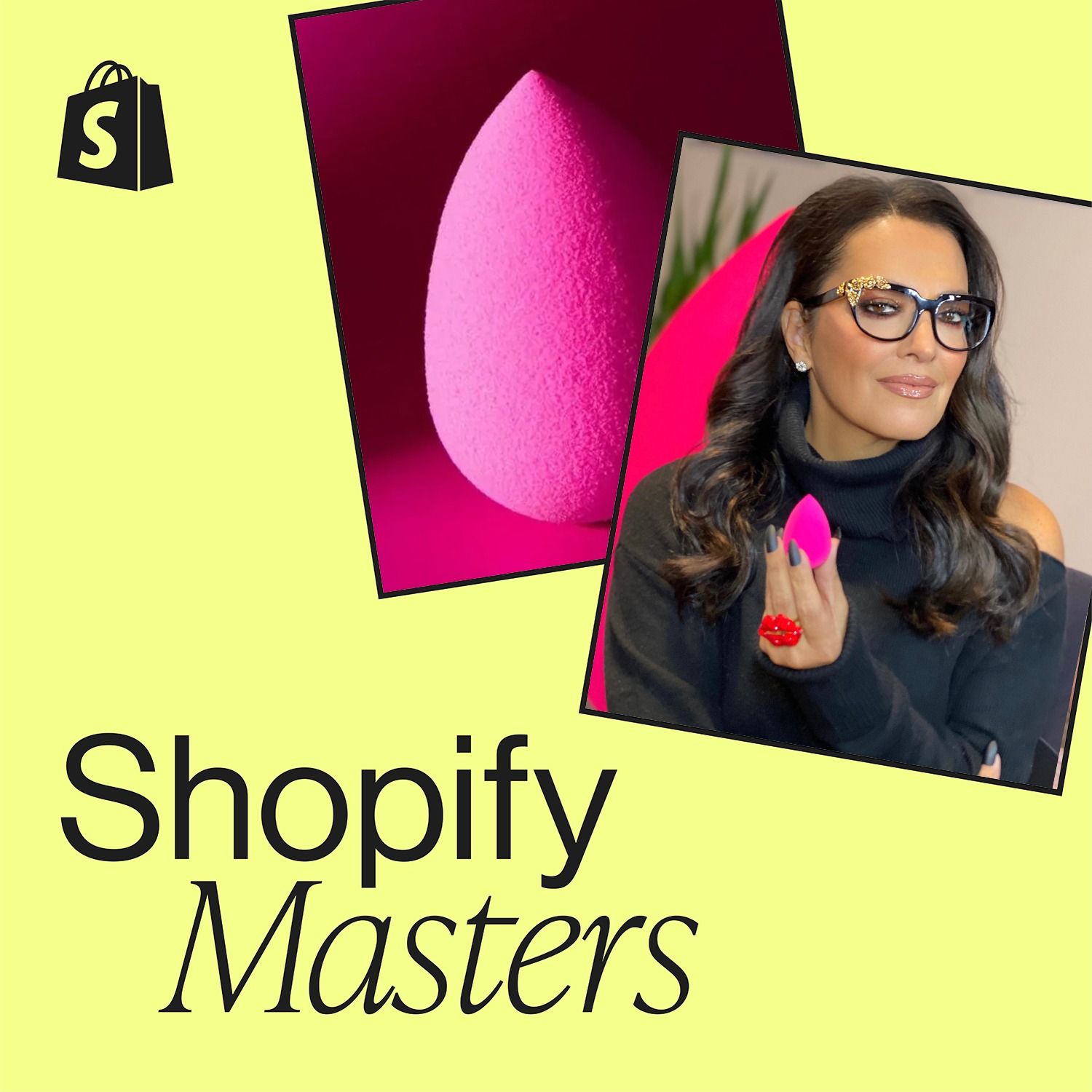
Initially threatened by dupes, Rianne Silva reframed them as a necessary market force. The existence of cheaper alternatives allowed Beauty Blender to constantly reinforce its own story of originality, quality, and superior performance, strengthening its premium brand positioning.
Related Insights
Elf Beauty's CEO, Tarang Amin, reframes copying expensive prestige products ('dupes') as a moral duty. He argues it's immoral to charge consumers excessively for products that can be made with equal or better quality for a fraction of the price, especially when many consumers live paycheck to paycheck.

When denied a patent, founder Rianne Silva was advised that strong brand recognition could be an equally powerful defense. She focused on building brand equity among professionals, which became her primary protection against copycats when they eventually emerged.
For luxury brands, raising prices is a strategic tool to enhance brand perception. Unlike mass-market goods where high prices deter buyers, in luxury, price hikes increase desirability and signal exclusivity. This reinforces the brand's elite status and makes it more coveted.

Unlike competitors whose store brands are cheaper versions of national products, Trader Joe's mandates that its private label items offer a unique value proposition. This could be a novel ingredient, unique packaging, or a better price on a superior item, reinforcing their brand as an innovator, not a discounter.
A coffee brand struggling to compete with other roasters was advised to reposition itself within the multi-billion dollar wedding gift industry. By targeting a different use case and customer (bridal registries), the commoditized product gains a unique and defensible niche.

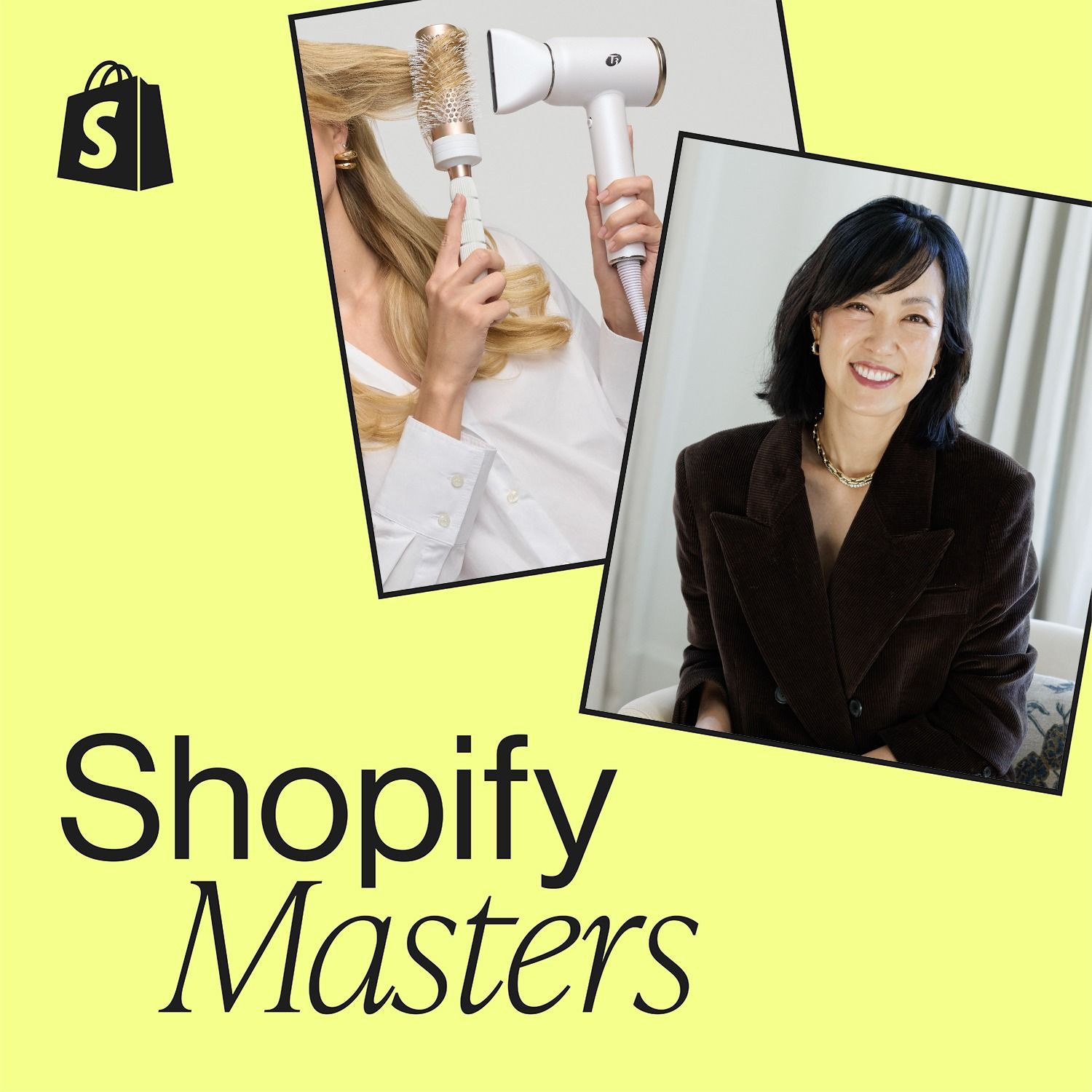
When large appliance companies like Dyson entered the premium hair tool market, T3 was initially intimidated. However, their massive marketing budgets raised overall category awareness and normalized higher price points. This repositioned T3 as an 'affordable luxury' and ultimately boosted their business, demonstrating that new competition can grow the pie for everyone.
Elf's CEO believes it's immoral to charge consumers inflated prices for beauty products when high-quality, affordable alternatives are possible. This reframes the "dupe" strategy from a competitive tactic to a consumer-centric mission, especially for budget-conscious demographics.
A brand isn't just an identity; it becomes a competitive moat only when it directly influences purchase decisions. The true test is when a customer buys your product *because* of the brand, even if it's more expensive, has fewer features, or is otherwise inferior on paper.

T3 redefined the hair tool category by moving its products from the home appliance section to the beauty floor. By insisting on placement next to high-end skincare and cosmetics in retailers like Nordstrom, they changed consumer perception, justified a premium price, and created an entirely new market segment.
When larger competitors launched "Thousand Killer" copycat products, the founder resisted competing on price or features. Instead, she doubled down on deep customer insights and brand differentiation, moving further away from the competition. This proved more effective than engaging in a feature or price war, reinforcing their market position.