Get your free personalized podcast brief
We scan new podcasts and send you the top 5 insights daily.
Unlike other fruits, dates are sold under distinct brands because the industry positions them as a luxury treat, similar to chocolate, rather than simple produce. This strategy of shifting the product's purpose from utility to indulgence allows for brand differentiation and premium pricing.

Related Insights
Framing a product around "life moments" (e.g., graduation, first job) shifts the focus from functional utility to emotional significance. Coach isn't in the handbag business; it's in the "belonging business." Its real competitors are other products that provide similar affirmation.
Fruitist achieved a $1 billion valuation by transforming the blueberry from a supporting ingredient into a standalone snack or meal replacement. By engineering a jumbo-sized, consistent product, they created a new product category and unlocked premium pricing.
For luxury brands, raising prices is a strategic tool to enhance brand perception. Unlike mass-market goods where high prices deter buyers, in luxury, price hikes increase desirability and signal exclusivity. This reinforces the brand's elite status and makes it more coveted.
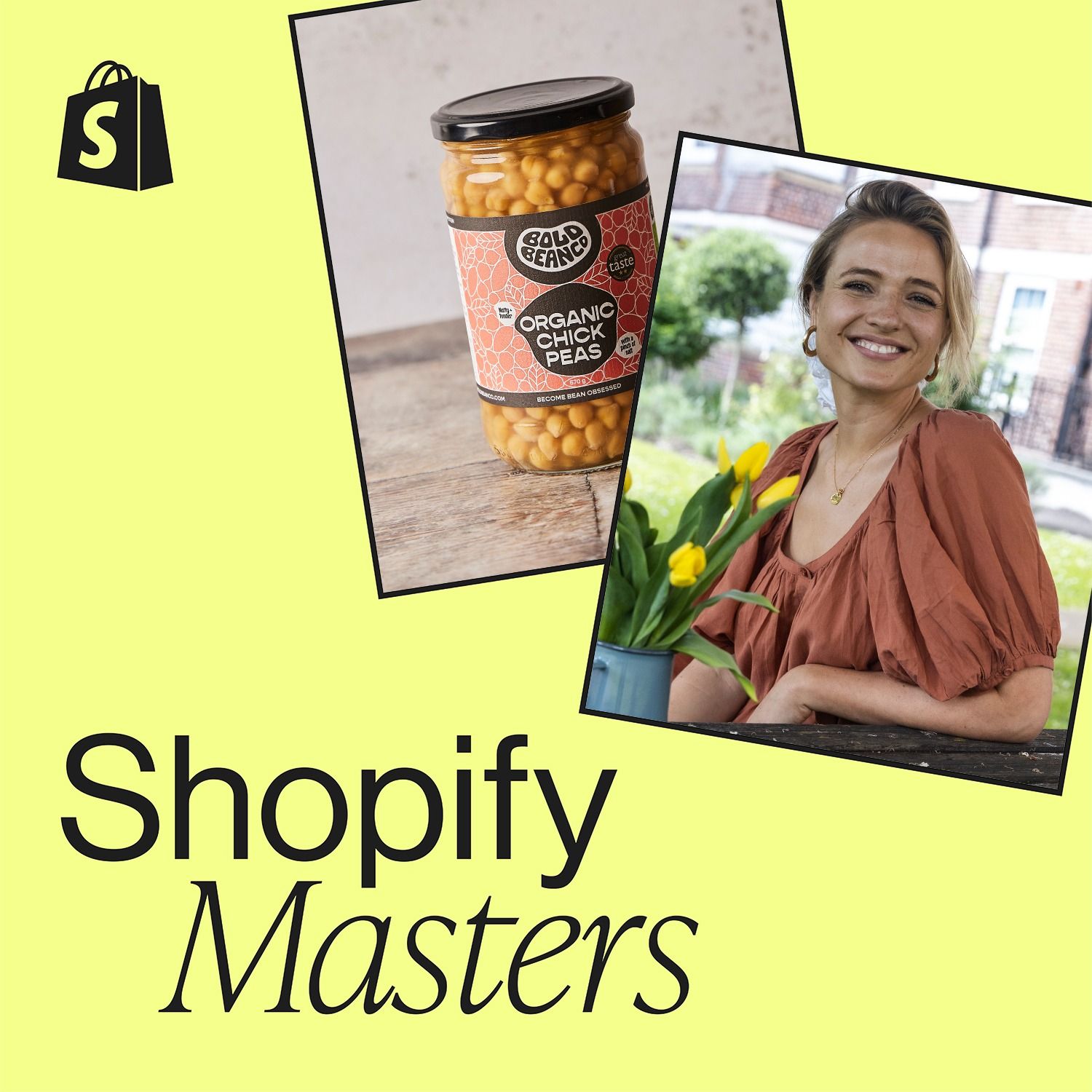
The brand used clear glass jars, initially a byproduct of a superior cooking method, to showcase the beans' quality. This transparency shifted consumer perception from a hidden pantry staple to a premium, display-worthy ingredient, justifying a higher price point.
Pricing power allows a brand to raise prices without losing customers, effectively fighting the economic principle that demand falls as price rises. This is achieved by creating a brand perception so strong that consumers believe there is no viable substitute.
A surprising driver of Fruitist's success is the Ozempic effect. GLP-1 drug users consume more fruit but are averse to "surprises" in taste or texture. This creates demand for branded, highly consistent produce, allowing companies like Fruitist to command a premium price from this growing consumer segment.
Most product categories are commodities with minimal functional differences. Success, as shown by Liquid Death in the water category, hinges on building an emotional connection through branding and packaging, which are the primary drivers of consumer choice over minor product benefits.

When a new KFC premium product wasn't selling, they doubled the price instead of discounting it. This aligned the price with consumer expectations for a premium item, signaling quality and causing sales to soar. Low prices can imply low quality for high-end goods.

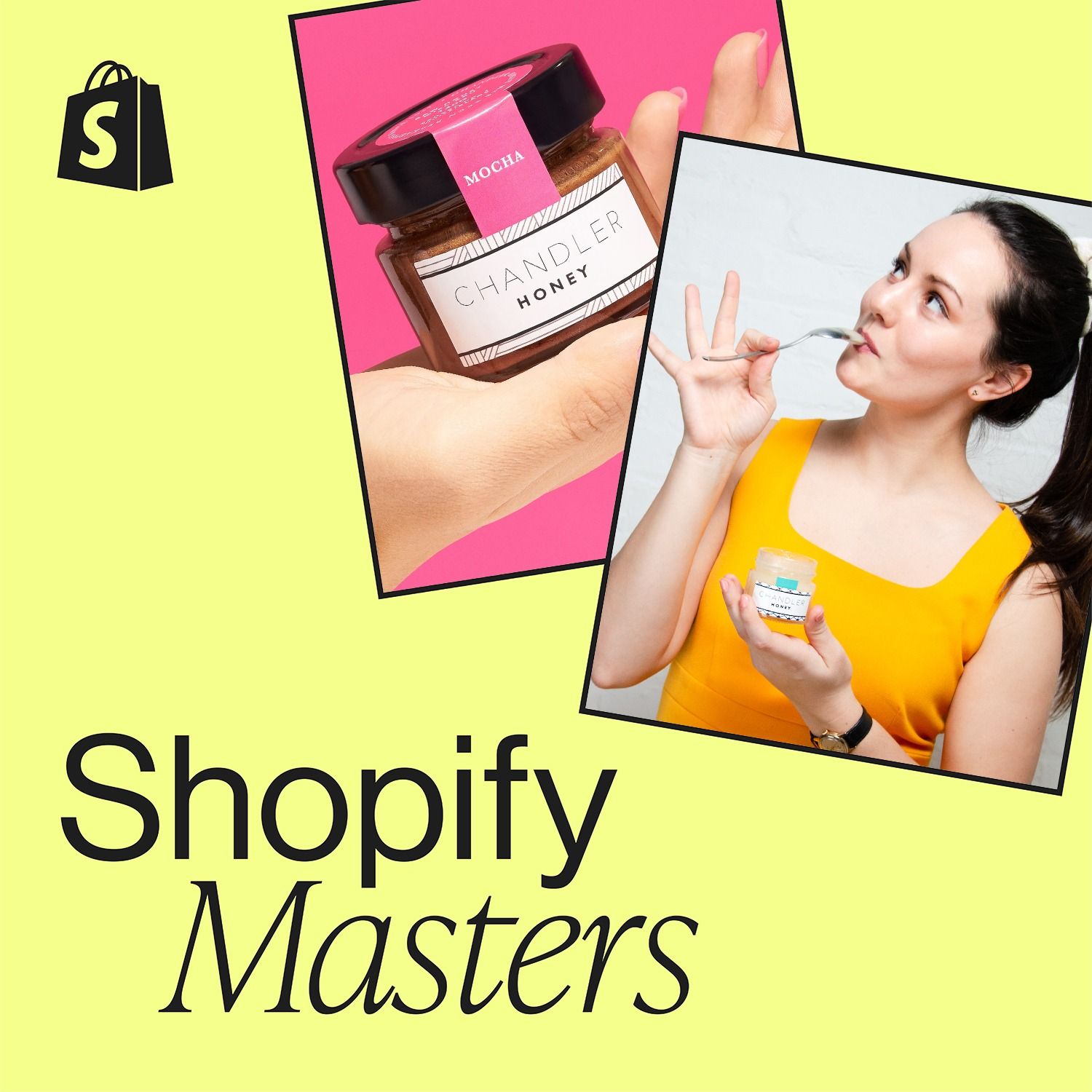
The founder realized her premium honey sold better in gift and souvenir shops where brand story matters more than price. This was more profitable and a better brand fit than traditional grocery stores with their high margins and unfavorable terms.
Bold Bean Co. found that creating a premium product in a "forgotten, dull" category like beans was a strategic advantage. The novelty makes consumers talk. People find it entertaining to become obsessed with beans, generating more word-of-mouth than launching yet another premium chocolate brand.