Get your free personalized podcast brief
We scan new podcasts and send you the top 5 insights daily.
The founder was inspired by high-quality, simple tinned fish served as free tapas in Granada, Spain. This experience revealed an unmet American demand for premium, European-style canned seafood, forming the basis for the company's brand positioning and product strategy.

Related Insights
The founders discovered coconut water's popularity by asking Brazilian women what they missed from home. This act of 'idea arbitrage'—identifying a successful concept in one country and introducing it to another where it doesn't exist—allowed them to become early movers in the American coconut water market.

To launch without massive capital outlay, Fish Wife initially partnered with small US canneries that primarily serviced individual sports fishermen. These micro-canneries had no minimum order quantities (MOQs), allowing the company to test the market and build its brand before committing to large-scale production runs.
Unlike 2010s DTC brands that offered cheaper alternatives to expensive goods (e.g., Warby Parker), Fish Wife's strategy is the opposite. It created a high-quality, premium category for a product previously seen as a low-cost commodity, proving consumers will pay more for superior quality and branding.
A Barbadian coffee brand, "Cane Dog," is advised to rebrand to emphasize its Caribbean origin. Consumers associate locations like the Caribbean with specific experiences (warmth, hospitality, vacation). Tapping into this pre-existing mental model is more powerful for an export brand than a name that requires explaining a backstory.

After spending her childhood trying to assimilate, founder Jing Gao's adult rediscovery of her Sichuanese roots through food became the authentic core of her brand. This shows that a founder's personal journey of self-discovery can be a powerful and resonant foundation for a brand's mission.

Confronting the market's expectation for "cheap" Chinese food, Fly By Jing launched at a high price point. This was a deliberate strategy to reframe the cuisine's value, using high-quality ingredients to justify the cost and directly combat the "hierarchy of taste" that devalues certain immigrant cuisines.
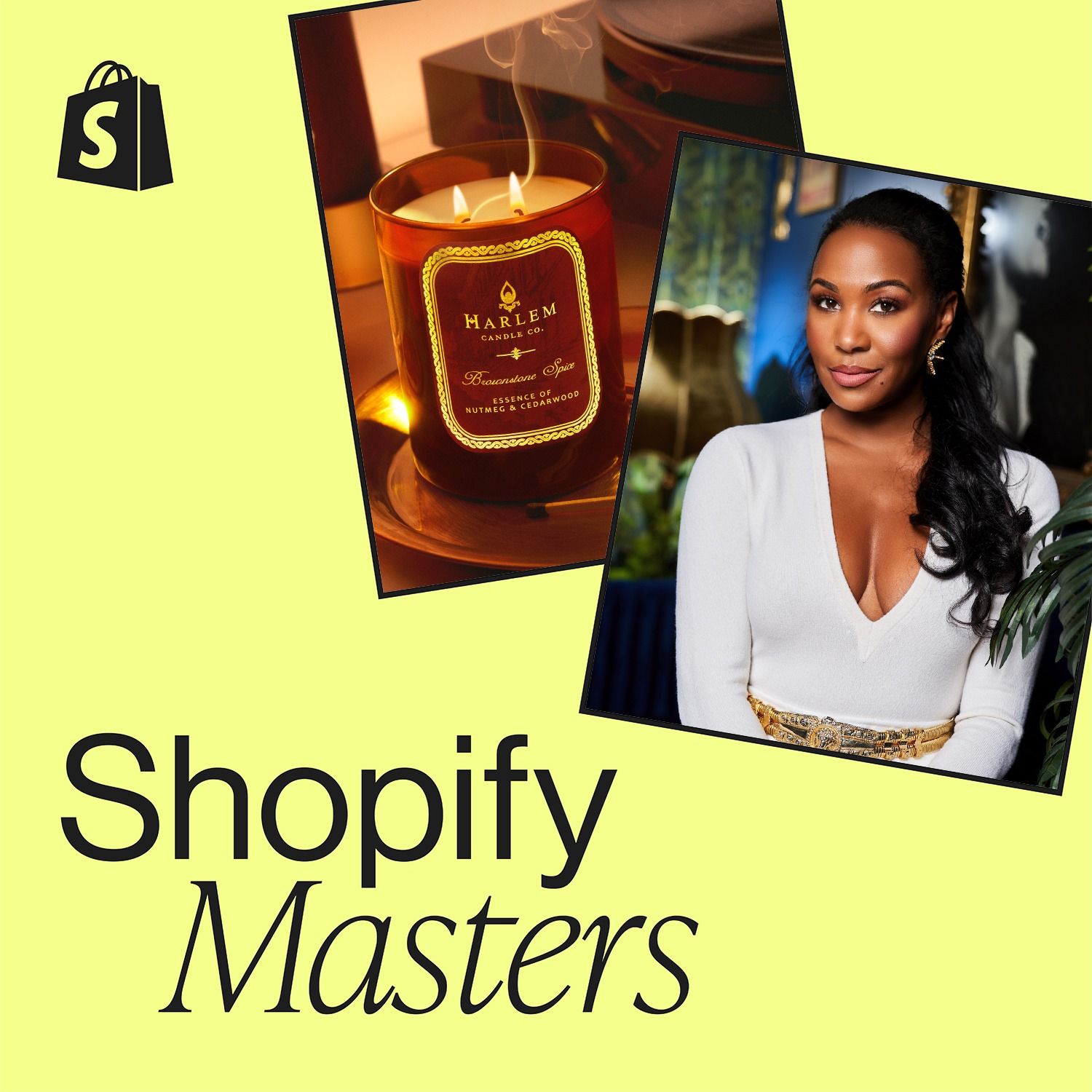
To stand out in the saturated candle market, founder Terry Johnson drew from her personal passion for the Harlem Renaissance, inspired by her time studying in Paris. This authentic connection to a specific cultural history gave the brand a unique “soul” that resonated deeply with customers.
Taking a cue from how a fish with a bad name was successfully repositioned, Goldfish created adult-focused packaging calling the crackers "Chilean Sea Bass." This small, clever change in naming and packaging completely reframed the same product for a new audience.

Founder Nima Jalali intentionally designed packaging, branding, and content to feel large and established from day one. This strategy attracted customers and premium retailers by projecting success long before the company achieved scale, bucking the trend of appearing like a scrappy startup.
Though Fish Wife doesn't source from Morocco, the global shortage wiped out lower-priced competitors. This created a massive demand surge from retailers and consumers trading up. The company capitalized by using expensive air freight, consciously sacrificing margin to rapidly gain market share.