Get your free personalized podcast brief
We scan new podcasts and send you the top 5 insights daily.
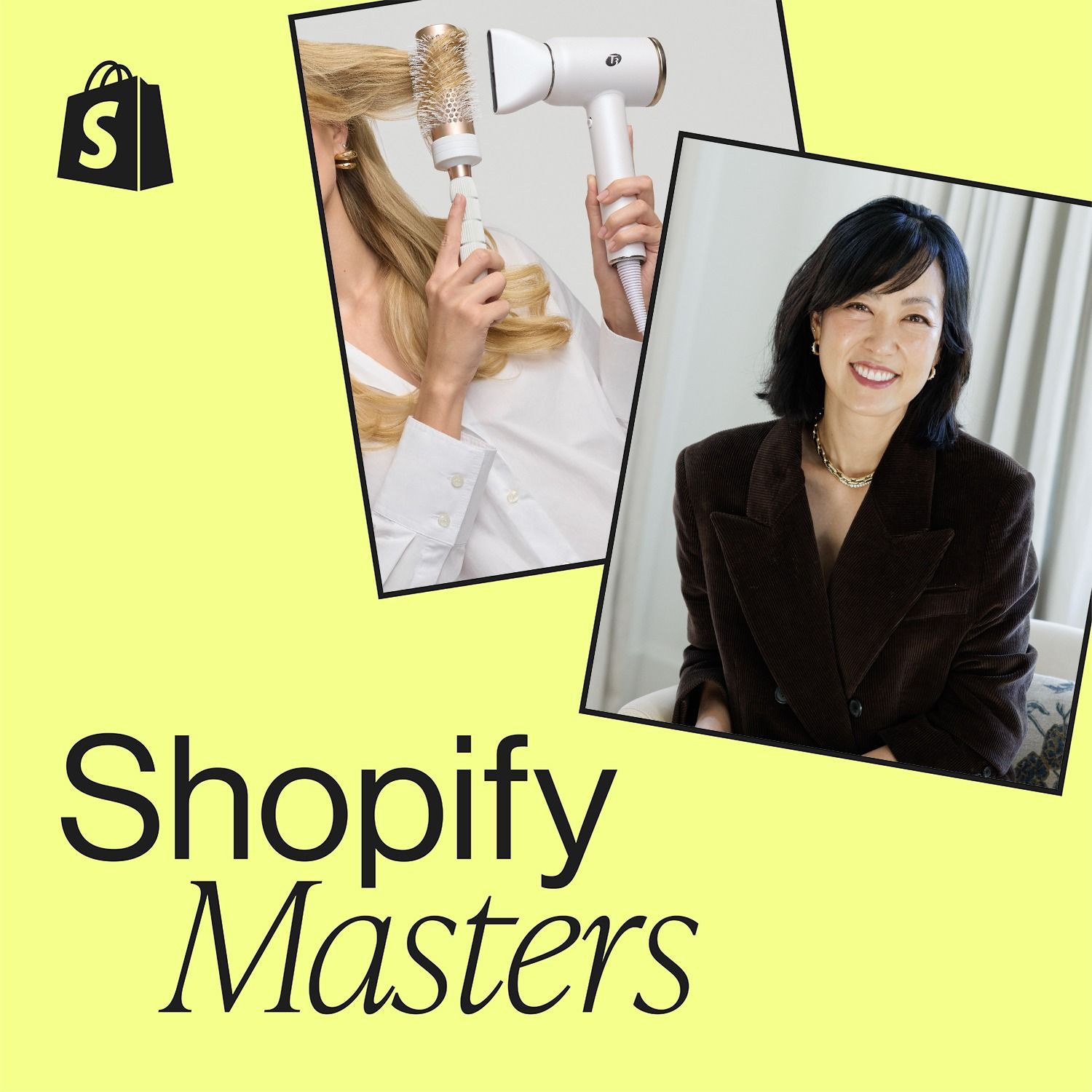
T3 redefined the hair tool category by moving its products from the home appliance section to the beauty floor. By insisting on placement next to high-end skincare and cosmetics in retailers like Nordstrom, they changed consumer perception, justified a premium price, and created an entirely new market segment.
Related Insights
Marketers often mistake strategic positioning (finding a niche) for true category creation. A new category introduces a solution to a problem customers haven't yet articulated, requiring education on why they need a thing they've never bought before.

T3's journey with Sephora shows that retail relationships are dynamic. After a successful launch, they were removed from brick-and-mortar stores for nearly a decade, surviving on online sales. They later returned to shelves by introducing new, innovative products. This illustrates that losing shelf space isn't final and can be regained with fresh offerings.
T3's founder knew a beautiful product would attract female consumers, comparing it to buying a laptop simply because it was pink. However, she stresses that aesthetic appeal is not enough for long-term success. If the beautifully designed product didn't deliver superior performance and results, the brand wouldn't have survived for 20 years.
Lauder realized women rarely bought perfume, seeing it as a scandalous gift received from men. She sidestepped this cultural barrier by creating "Youth Dew," a bath oil that doubled as a perfume. This genius reframing gave women permission to buy a luxury for themselves, creating an entirely new market.

When large appliance companies like Dyson entered the premium hair tool market, T3 was initially intimidated. However, their massive marketing budgets raised overall category awareness and normalized higher price points. This repositioned T3 as an 'affordable luxury' and ultimately boosted their business, demonstrating that new competition can grow the pie for everyone.
A study found that ambient noise significantly slows cognitive development. This insight can be used to rebrand a commodity like earplugs. By positioning them as "Study Ears"—a tool for better memory and focus, not just noise blocking—you can create an entirely new product category with strong marketing hooks.

When Sephora first approached T3, their request was to create a Sephora-branded hair dryer. Despite being a young, bootstrapped company, T3 declined the white-label opportunity. They insisted on selling under their own brand name, a crucial decision that allowed them to build long-term brand equity instead of becoming a disposable supplier.
Many 'category creation' efforts fail because they just rename an existing solution. True category creation happens when customers perceive the product as fundamentally different from all alternatives, even without an official name for it. The customer's mental bucketing is the only one that matters.

Instead of using traditional appliance PR, T3 hired a beauty-focused publicist to pitch their hair dryer to outlets like Vogue and InStyle. This out-of-the-box strategy legitimized the product as a beauty tool, created significant buzz, and directly led to Sephora discovering and contacting them for a partnership.
An insight that men bought carpets based on durability was wrong. Women were the primary buyers, and their top criterion was color. By redesigning the retail space to emulate a makeup counter—with softer lighting, curves, and lifestyle imagery—sales skyrocketed 350% in six weeks.
