Get your free personalized podcast brief
We scan new podcasts and send you the top 5 insights daily.
Unlike struggling D2C peers like Allbirds and Everlane, Warby Parker remains a multi-billion dollar company. This divergence suggests that D2C brands selling essential products like prescription eyewear have a more sustainable business model than those focused on discretionary, trend-driven fashion items.
Related Insights
The long-term strategy for brands you carry is to go direct-to-consumer, cutting you out. The only sustainable defense for a retailer is to build its own brand equity by creating and marketing its own private-label products, transitioning from a utility to a destination brand.

Physical products are easily copied. While patents help, brand is the most durable competitive moat. A strong brand lowers acquisition costs, increases lifetime value, and commands premium pricing—advantages that copycats cannot replicate, even if they perfectly clone the product.

The decline of value-driven brands like Everlane (transparency) and Allbirds (sustainability) demonstrates a market reality. Despite stated preferences for ethics, consumers’ purchasing decisions are ultimately driven more by price and convenience than by proclaimed corporate values.

Despite a strong social mission, Warby Parker learned from surveys that customers prioritize style and price above all. Consequently, they lead with these messages in their marketing, often not mentioning the “buy-one-give-one” program until after a purchase is made, focusing on core customer drivers.

Relying solely on performance ads for rapid growth creates a sales machine, not a defensible business. This strategy makes you vulnerable to copycats who will replicate your product and target the same audience for less. Reinvest ad profits into organic content to build a brand moat.
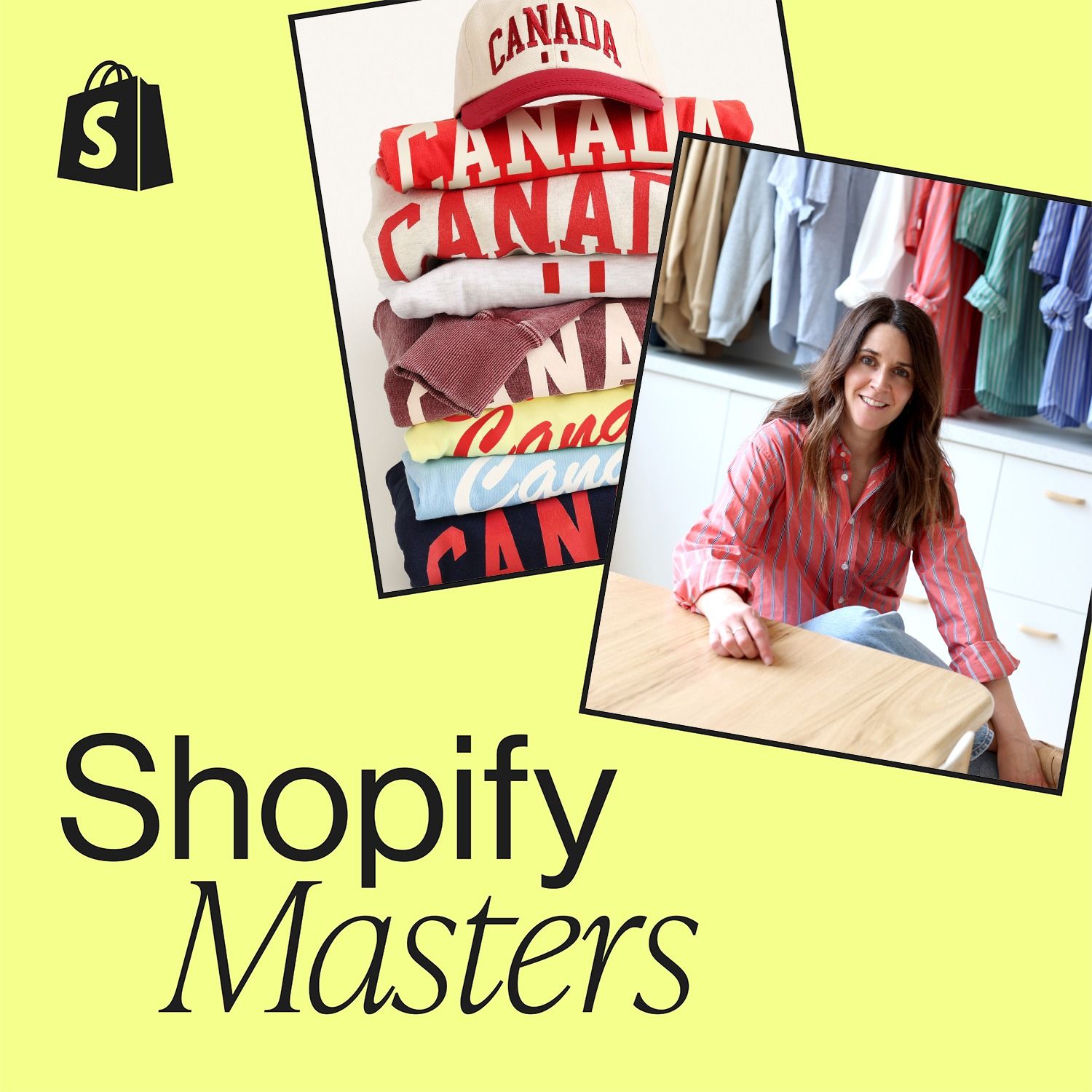
Province of Canada intentionally built an 'anti-fashion' brand by focusing on timeless basics rather than seasonal collections. This simplifies inventory, creates dependable products for customers, and allowed them to avoid the high-pressure, discount-driven wholesale cycle, leading to a more stable business.
Focusing solely on direct-to-consumer (DTC) or wholesale is a failed strategy. Nike's retreat from wholesale and Allbirds' late entry into physical retail both backfired. A balanced, multi-channel presence is now a non-negotiable for consumer brands to meet customer expectations.

Uniqlo's global success isn't from following fast fashion trends, but by rejecting them. The company focuses on high-quality, long-lasting basics and innovative functional fabrics like Heattech, creating a universally appealing brand that prioritizes durability and value over fleeting styles.
For high-quality, durable goods that customers buy only once, the standard DTC model is challenging. Growth depends not on repeat purchases of the core product, but on building an ecosystem of valuable accessories and add-ons to increase customer lifetime value and create recurring revenue streams.
Direct-to-consumer brands like Allbirds thrived in a specific economic environment of cheap venture capital and inexpensive social media advertising. This model is now failing as interest rates have risen and online customer acquisition costs have skyrocketed, exposing its core dependency on temporary market conditions.