Get your free personalized podcast brief
We scan new podcasts and send you the top 5 insights daily.
For a premium DTC brand, broad retail expansion is a trap that reduces margins, invites knockoffs, and cheapens the brand. Instead, selectively partner with only a few key, trusted retailers to reach new, targeted audiences without overexposing the product and sacrificing its premium positioning.

Related Insights
The long-term strategy for brands you carry is to go direct-to-consumer, cutting you out. The only sustainable defense for a retailer is to build its own brand equity by creating and marketing its own private-label products, transitioning from a utility to a destination brand.

Physical products are easily copied. While patents help, brand is the most durable competitive moat. A strong brand lowers acquisition costs, increases lifetime value, and commands premium pricing—advantages that copycats cannot replicate, even if they perfectly clone the product.

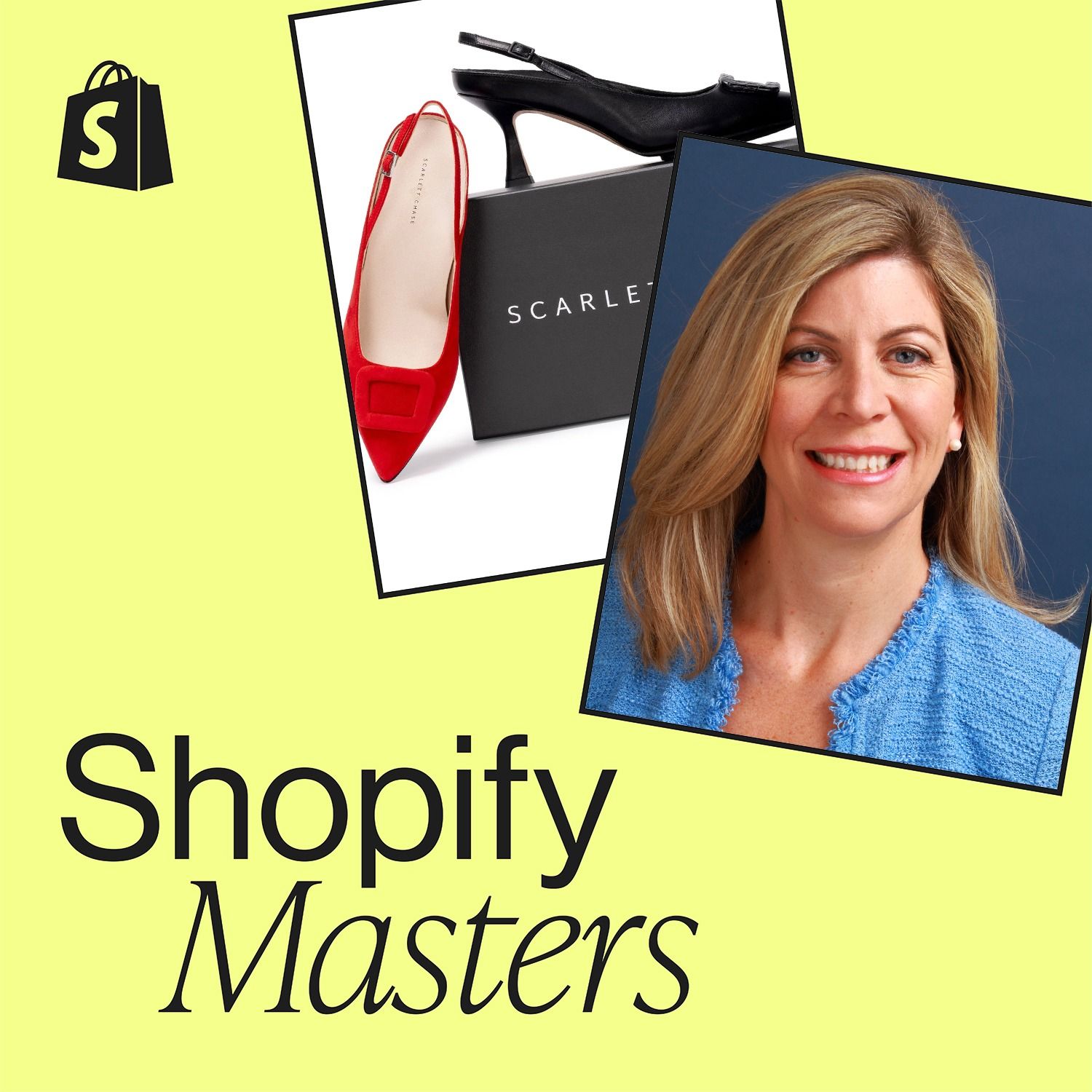
Instead of lowering prices to capture a wider audience, Scarlet Chase embraces a high-end niche. The founder's philosophy is that diluting the product's quality for broader appeal is a mistake. The strategy is to deliver exceptional value to a focused group of customers who can afford and appreciate the investment.
Unlike brands that flood the market and rely on markdowns, Norwegian Wool carefully controls its distribution channels and production quantities. This ensures a high percentage of items sell at full price, creating real margins and a "fear of missing out" that drives early-season sales.

For a new, bootstrapped D2C brand deciding between more products or more marketing, the advice is to emulate In-N-Out Burger. By limiting SKUs and focusing cash on marketing proven winners, a brand can build momentum more effectively than by diluting its efforts on unproven product extensions.
The allure of massive distribution at a mass-market retailer like Walmart is a trap. It establishes the lowest possible price point for your product, which every subsequent retail partner will use as a benchmark, limiting your brand's long-term profitability and pricing power.

A brand is a powerful moat that makes a generic product unique in the customer's mind. For example, Revlon and a generic CVS-brand makeup can come from the same factory, but the Revlon brand commands a higher price, conversion rate, and customer loyalty.
Businesses can build a moat by either manufacturing scarcity to create exclusivity and pricing power (like Hermes) or by systematically eliminating it to offer unbeatable prices and volume (like Costco). Both are deliberate strategic choices that leverage the same economic principle in opposite ways.
For premium brands like Coterie, the choice of retail partner is a branding decision. A retailer's reputation for quality reinforces the product's own values, while a poor retail environment like a messy shelf can actively dilute brand equity.

To combat a 'cheap' reputation, online retailer Quince strategically sells limited-run, high-end items like caviar and gold bars unrelated to its core fashion line. These 'halo products' create 'luxury by association,' elevating the entire brand's perception in the minds of consumers, a tactic also used by Costco.
