Get your free personalized podcast brief
We scan new podcasts and send you the top 5 insights daily.
Instead of stocking every product variation, Sol Price's "intelligent loss of sales" system offered only the best-value item (e.g., one size of oil). This deliberately lost some customers but radically simplified inventory, labor, and checkout, creating an unbeatable cost advantage.

Related Insights
Despite knowing customers would pay far more, Shopify intentionally underpriced its product. This lowered the barrier to entry for entrepreneurs, focusing on massive user acquisition and solving merchant problems first.

Before free shipping was standard, Nuts.com intentionally used shipping costs to deter low-value orders. The founder wanted a 'hurdle' to 'adversely select away the bad customers,' like someone buying a single $2.99 item. This counterintuitive strategy focused on attracting high-quality, profitable customers rather than maximizing order volume.

Unlike most retailers who apply a consistent markup percentage, Trader Joe's prioritizes the absolute dollar profit per item. They will gladly accept a lower margin percentage on a higher-priced item if it generates more cash profit per unit of scarce shelf space, optimizing for their key constraint.
High-margin software businesses operate on 'easy mode,' which can mask inefficiencies. To build a truly durable company, founders should study discount retailers like Costco or Aldi. These businesses thrive on razor-thin margins by mastering cost reduction, operational simplicity, and value delivery—lessons directly applicable to building efficient software companies.

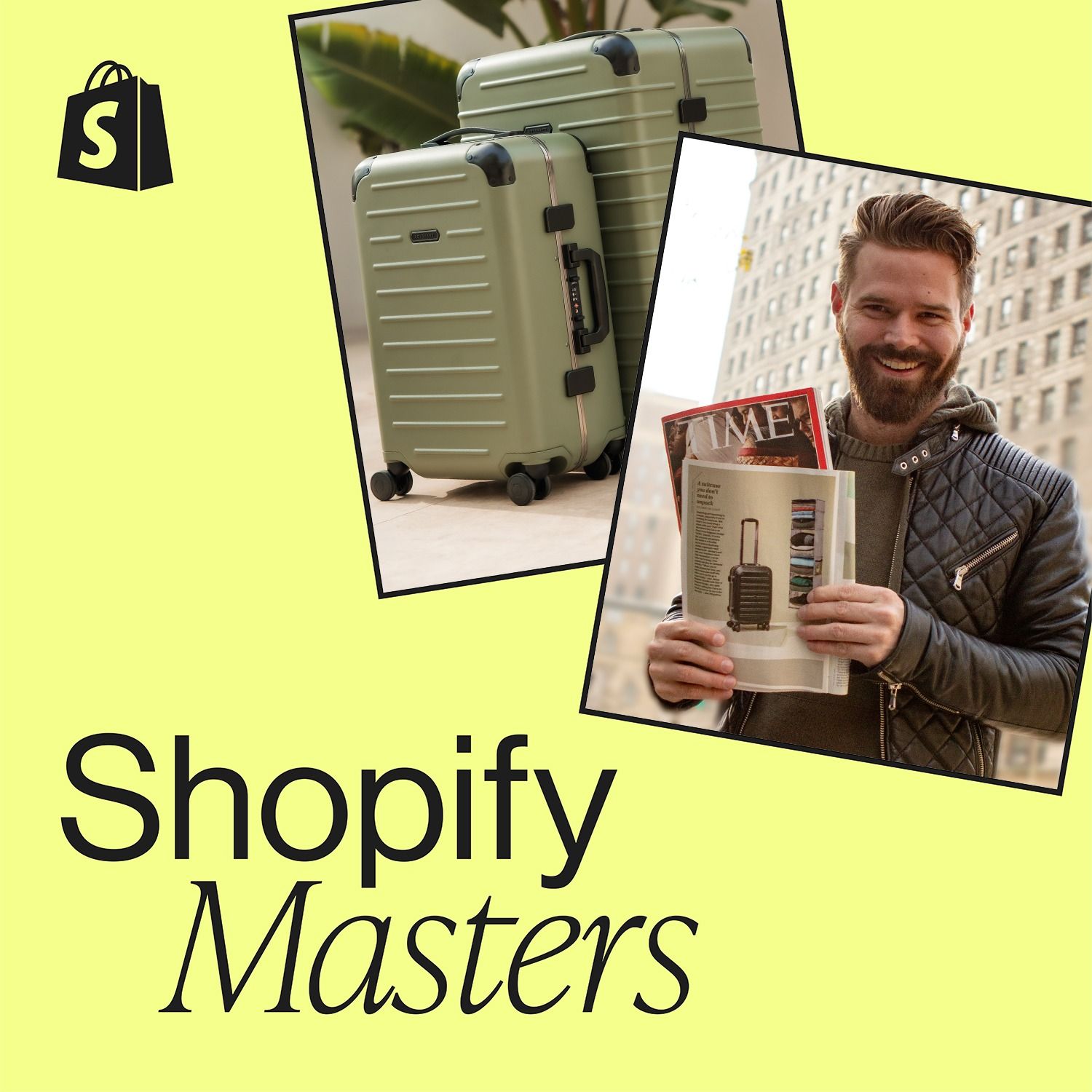
After a costly mistake left him with thousands of extra units, Solgaard's founder learned a key inventory lesson. He advises founders to avoid overly optimistic forecasting and go lean on inventory. Being slightly back-ordered is a better financial position than being overstocked with capital tied up in unsold goods.
Like Sol Price at Costco, founder Joe Coulombe was a retail genius who perfected the Trader Joe's model but had no interest in national expansion. He intentionally kept the chain small and local. It was his successor, John Shields, who took the proven playbook and executed the national growth strategy.
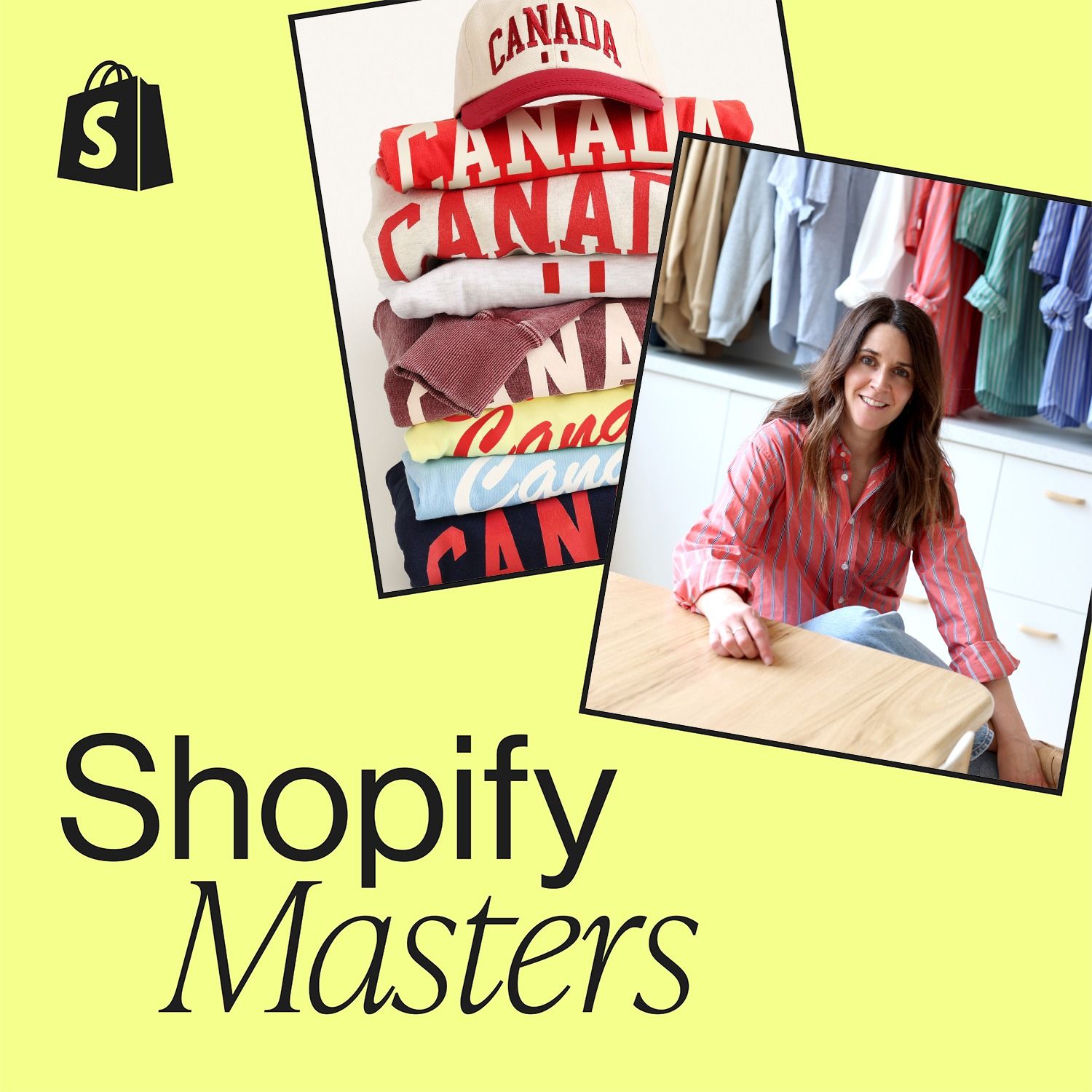
Province of Canada intentionally built an 'anti-fashion' brand by focusing on timeless basics rather than seasonal collections. This simplifies inventory, creates dependable products for customers, and allowed them to avoid the high-pressure, discount-driven wholesale cycle, leading to a more stable business.
Comfort strategically adjusts prices based on stock availability, not just demand. For fast-selling items, they increase the price to slow sales velocity, ensuring they stay in stock longer and avoid disappointing customers. This prioritizes long-term stability over short-term sales volume.

Costco's success stems from its radically limited selection (~4,000 SKUs). This deliberate constraint creates a powerful flywheel: it makes them a critical partner for every vendor, enables deep product expertise for buyers, and drives rapid inventory turnover, resulting in a negative cash conversion cycle.

Costco's business model is unique: it aims to break even on merchandise sales. This allows it to offer the lowest possible prices, building immense customer loyalty. The company's entire operating profit is derived from its annual membership fees, which represent only 2% of total revenue.
