Get your free personalized podcast brief
We scan new podcasts and send you the top 5 insights daily.
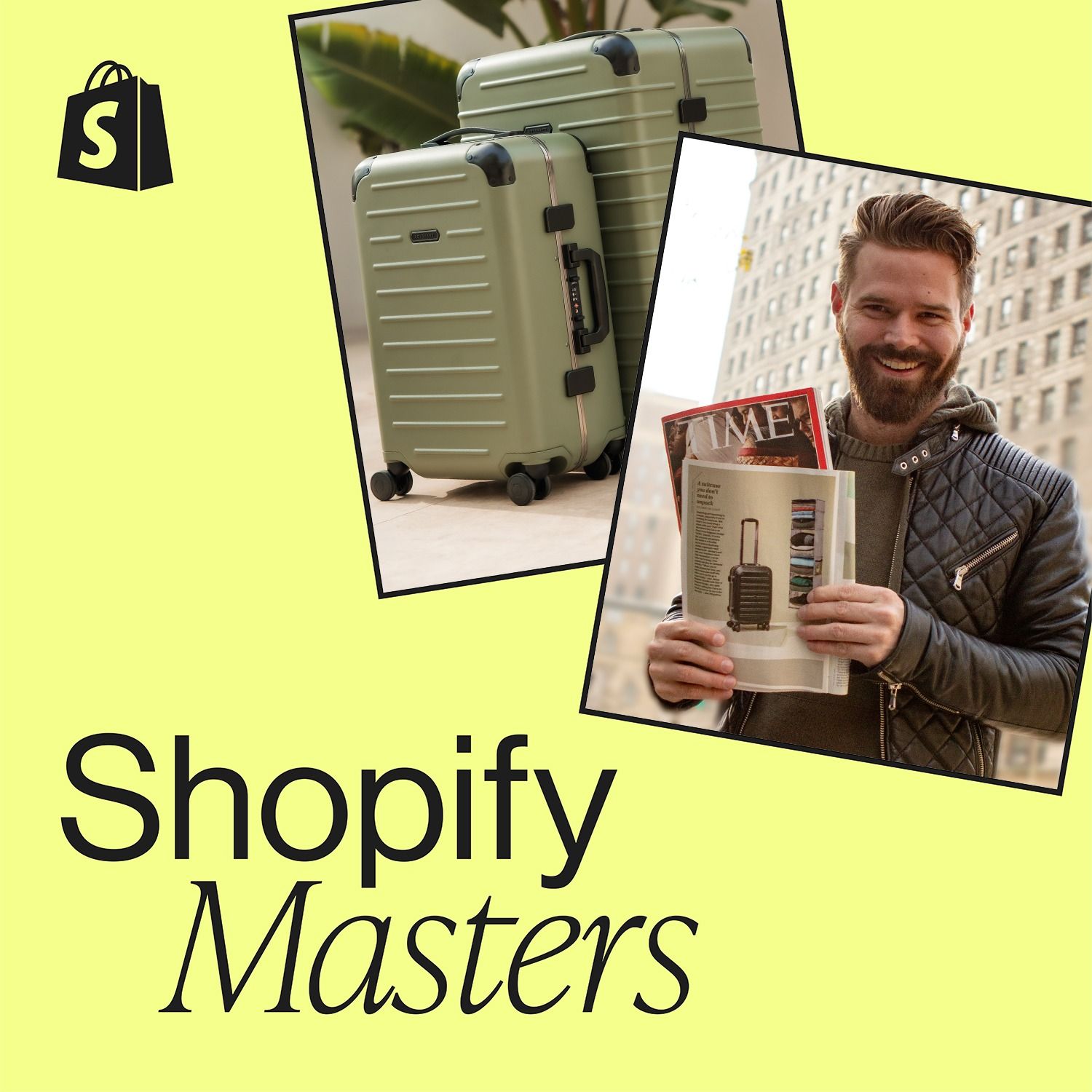
After a costly mistake left him with thousands of extra units, Solgaard's founder learned a key inventory lesson. He advises founders to avoid overly optimistic forecasting and go lean on inventory. Being slightly back-ordered is a better financial position than being overstocked with capital tied up in unsold goods.
Related Insights
High top-line revenue is a vanity metric if it doesn't translate to profit. By setting a high margin target (e.g., 80%+) and enforcing it through pricing and cost management, you ensure the business is sane and profitable, not just busy.

Comfort offers customers a discount to 'pre-order' items, even if they are in stock, in exchange for waiting longer for delivery. This generates immediate, upfront cash flow that the bootstrapped company uses to fund large inventory purchase orders without external capital.

The tension between growth and profitability is best resolved by understanding your product's "runway" (be it 6 months or 6 years). This single piece of information, often misaligned between teams and leadership, should dictate your strategic focus. The key task is to uncover this true runway.

Many founders run "too lean," maximizing short-term profit at the expense of long-term growth. Strategically investing in a team, even if it lowers margins temporarily, frees the founder to focus on scaling, leading to greater overall profitability and less burnout.

Lindsay Carter's most impactful early decision was placing a second purchase order before knowing if the first would succeed. This high-risk move ensured that once the initial inventory sold out, new product was arriving to keep the momentum going. In a hype-driven market, waiting for sales data can mean losing customer attention.
The belief that 'any sale is better than no sale' is dangerous. When your revenue is less than the direct cost of sales (negative margins), each transaction compounds your losses. It is strategically better to make no sale than a negative-margin one.
Comfort strategically adjusts prices based on stock availability, not just demand. For fast-selling items, they increase the price to slow sales velocity, ensuring they stay in stock longer and avoid disappointing customers. This prioritizes long-term stability over short-term sales volume.
To avoid the operational chaos of viral success, Shelter Skin deliberately caps production to match what they can manufacture and ship themselves. This prevents them from overselling and allows for sustainable, bootstrapped growth, even if it means frustrating some customers with temporary stockouts.

To minimize risk, the founder initially ordered small quantities of custom packaging, resulting in a high cost of $6.31 per box. In hindsight, she advises founders to "bet on themselves" by ordering larger quantities to significantly lower cost of goods, even if it ties up capital longer.

If your business can fulfill current demand but you're worried about future capacity, always choose to generate more demand first. The influx of cash and urgency creates the necessary pressure and resources to solve supply-side problems like hiring and training more efficiently.
