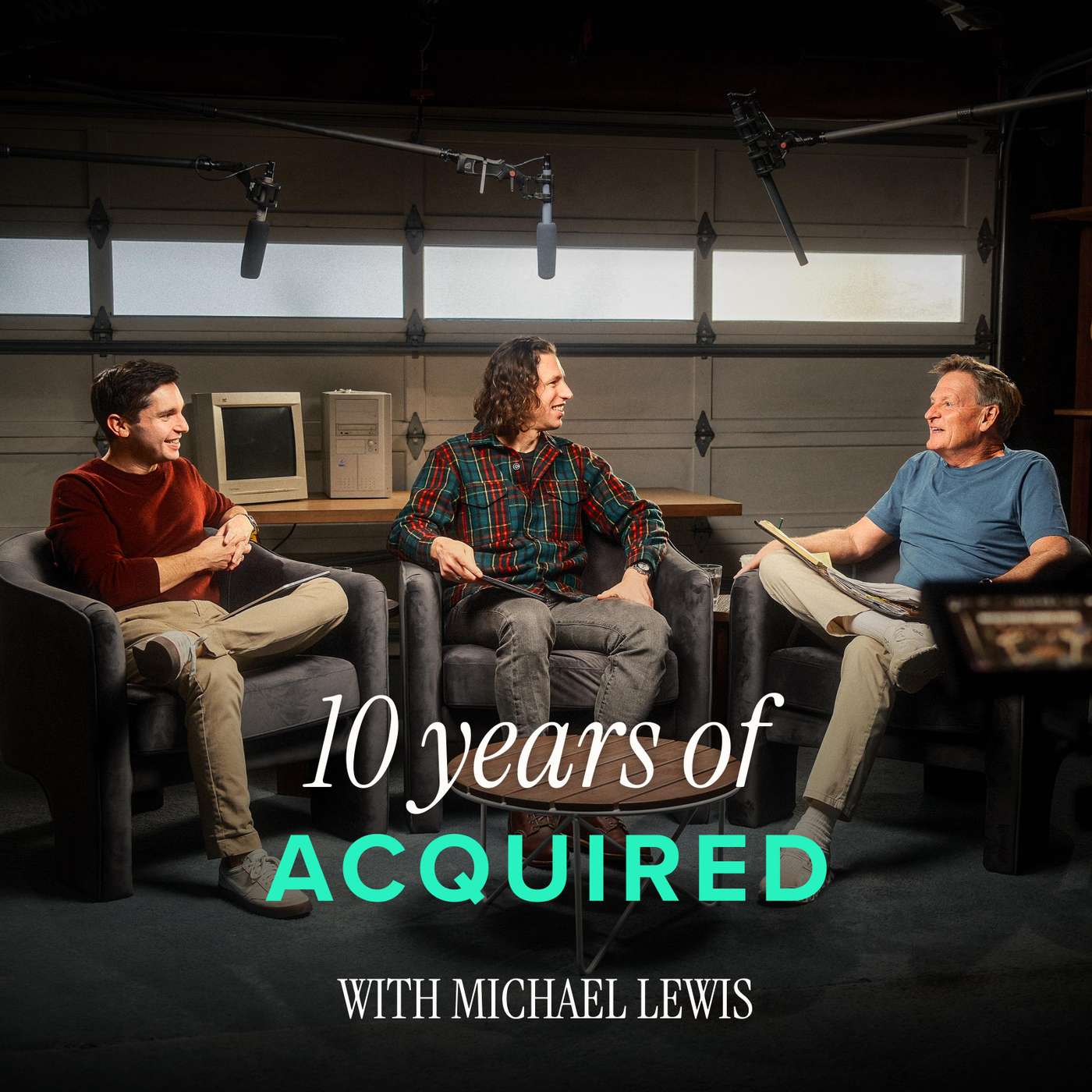
The podcast Acquired strategically avoids sponsors from contentious spaces, like competing venture capital firms, because they don't "feel Switzerland enough." This principle of partnering with neutral, respected leaders ensures their sponsor choices don't alienate listeners or compromise their editorial independence.
Costco's success stems from its radically limited selection (~4,000 SKUs). This deliberate constraint creates a powerful flywheel: it makes them a critical partner for every vendor, enables deep product expertise for buyers, and drives rapid inventory turnover, resulting in a negative cash conversion cycle.
Author Michael Lewis notes his books feel like new startups, while Acquired's podcast format builds a compounding audience. When they release a new "book" (episode), it's automatically delivered to their entire subscriber base, creating a powerful growth flywheel that traditional media lacks.
Episodes that underperformed with the general audience, like those on Nintendo or cricket, proved invaluable by attracting influential "superfans," including Meta executives and author Michael Lewis. This shows that catering to a passionate niche can yield more strategic value than broad, moderate appeal.
The founders of Acquired consciously choose not to build a large media company, a decision reinforced by an investor who warned that many founders become trapped in "prisons of their own making." By prioritizing founder control and lifestyle, they avoid the obligations that come with scaling an enterprise.
By releasing only 8-12 episodes a year, the podcast "Acquired" mimics the NFL's event-driven model. This scarcity elevates each release, turning it into a highly anticipated event rather than routine content, driving listener engagement and perceived value.
The Acquired podcast adopted Warren Buffett's "too hard pile" concept to maintain focus. Opportunities like Hollywood deals are deliberately shelved, recognizing that their highest-leverage activity is always creating the next episode, thus protecting their core compounding asset.
Acquired's hosts intentionally stopped sharing research to create authentic on-air reactions. This improvisational element adds emotional depth and surprise, signaling to the audience what's important and making complex topics more engaging than a scripted delivery ever could.
Facing a 40% revenue drop in the 2022 ad market downturn, the Acquired hosts didn't panic. They treated it as a forcing function to cut undifferentiated content, reduce episode frequency, and focus solely on premium, durable stories and sponsors, ultimately strengthening their brand.
Acquired extended its business model by launching a fund that invests exclusively in its private company sponsors. The rigorous process of selecting a brand-aligned sponsor effectively serves as investment diligence, creating a powerful flywheel where business partnerships become financial ones.
Realizing their low frequency prevents them from being a daily habit, Acquired creates "spectacles" like their 6,000-person live show at Radio City. This strategy generates disproportionate buzz and brand value, making a bigger impact on the franchise than a standard episode could.
Explaining a creative process is inherently a "lossy compression" of the real thing; key nuances are lost in translation. This is why even detailed explanations of a successful process can't be perfectly replicated. The audience then "uncompresses" this partial data into their own interpretation.