Get your free personalized podcast brief
We scan new podcasts and send you the top 5 insights daily.
Costco's success stems from its radically limited selection (~4,000 SKUs). This deliberate constraint creates a powerful flywheel: it makes them a critical partner for every vendor, enables deep product expertise for buyers, and drives rapid inventory turnover, resulting in a negative cash conversion cycle.

Related Insights
Copycats are inevitable for successful CPG products. The best defense isn't intellectual property, but rapid execution by a team that has 'done it before.' Building a diverse distribution footprint and a strong brand quickly makes it harder for competitors to catch up.

While individually small, the collective business from your "long tail" of partners creates a huge compound effect, forming a significant part of your overall revenue. This justifies investing in scalable, simple programs and a two-tier distribution model to serve them. This long tail provides essential market reach and commercial proximity that larger partners cannot.

High-margin software businesses operate on 'easy mode,' which can mask inefficiencies. To build a truly durable company, founders should study discount retailers like Costco or Aldi. These businesses thrive on razor-thin margins by mastering cost reduction, operational simplicity, and value delivery—lessons directly applicable to building efficient software companies.

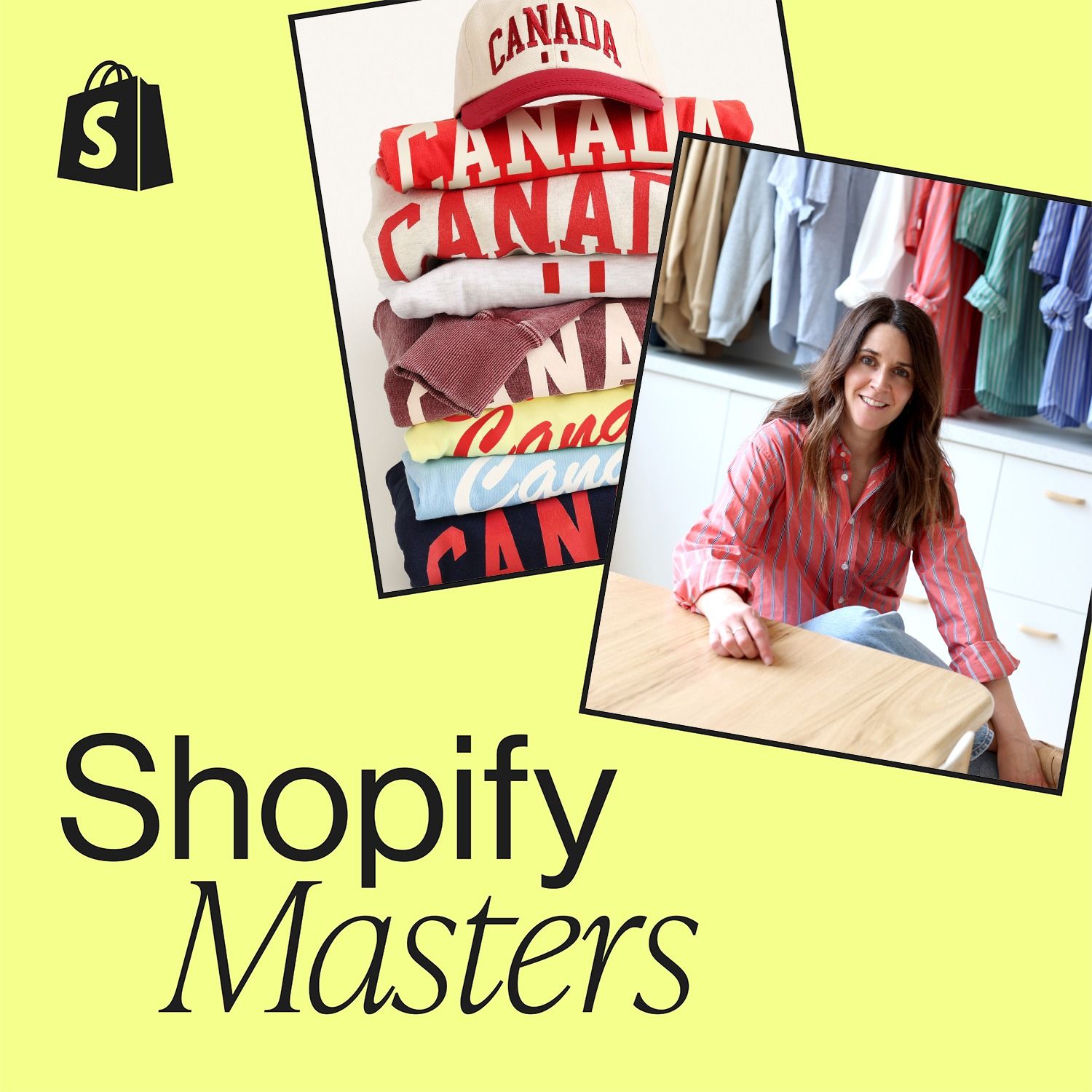
Province of Canada intentionally built an 'anti-fashion' brand by focusing on timeless basics rather than seasonal collections. This simplifies inventory, creates dependable products for customers, and allowed them to avoid the high-pressure, discount-driven wholesale cycle, leading to a more stable business.
A few dominant consumer platforms are capturing the majority of retail sales, creating a winner-take-all market. These companies leverage their scale and cash flow to reinvest in technology and advertising, widening their competitive moats much like the largest tech companies.

A sustainable competitive advantage is often rooted in a company's culture. When core values are directly aligned with what gives a company its market edge (e.g., Costco's employee focus driving superior retail service), the moat becomes incredibly difficult for competitors to replicate.
![[REPLAY] Paul Black - Gratitude, Fun, and Growth Stocks (Capital Allocators, EP.51) thumbnail](https://static.libsyn.com/p/assets/f/b/7/6/fb76e1c8bfb69e8dd959afa2a1bf1c87/CA_Square_logo_light_background_6.26.24.jpg)
Comfort strategically adjusts prices based on stock availability, not just demand. For fast-selling items, they increase the price to slow sales velocity, ensuring they stay in stock longer and avoid disappointing customers. This prioritizes long-term stability over short-term sales volume.

For brands with one main product, Black Friday success hinges on two fundamentals. First, deeply understand your unit economics to define a clear target CAC/ROAS. Second, present an offer so simple it requires zero cognitive load. Any customer confusion immediately kills the sale.
Costco's business model is unique: it aims to break even on merchandise sales. This allows it to offer the lowest possible prices, building immense customer loyalty. The company's entire operating profit is derived from its annual membership fees, which represent only 2% of total revenue.

Charlie Munger prized 'win-win' systems, and Costco is the prime example. By offering clear value to all stakeholders—low prices for customers, reliable partnership for suppliers, high wages for employees, and steady returns for investors—Costco creates a self-reinforcing, durable competitive advantage that is difficult to replicate.
