Get your free personalized podcast brief
We scan new podcasts and send you the top 5 insights daily.
Landing placement with a major retail buyer is where commercial execution begins, not where success is secured. Spanx founder Sara Blakely paid friends to buy her inventory directly off store shelves to manufacture early sales velocity. Without driving prompt turnover, buyers lose confidence and drop products before organic consumer traction can form.

Related Insights
Getting into retailers like Target or Walmart feels like validation, but it can bankrupt startups. The high costs, stocking fees, and immense pressure for sell-through often drain resources and lead to failure.
Securing a deal with a giant like Walmart can be a trap. If the product doesn't sell through immediately, the brand is forced into massive, unplanned promotional spending to stay on shelves. This depletes cash and starts a downward spiral that many CPG startups don't survive.

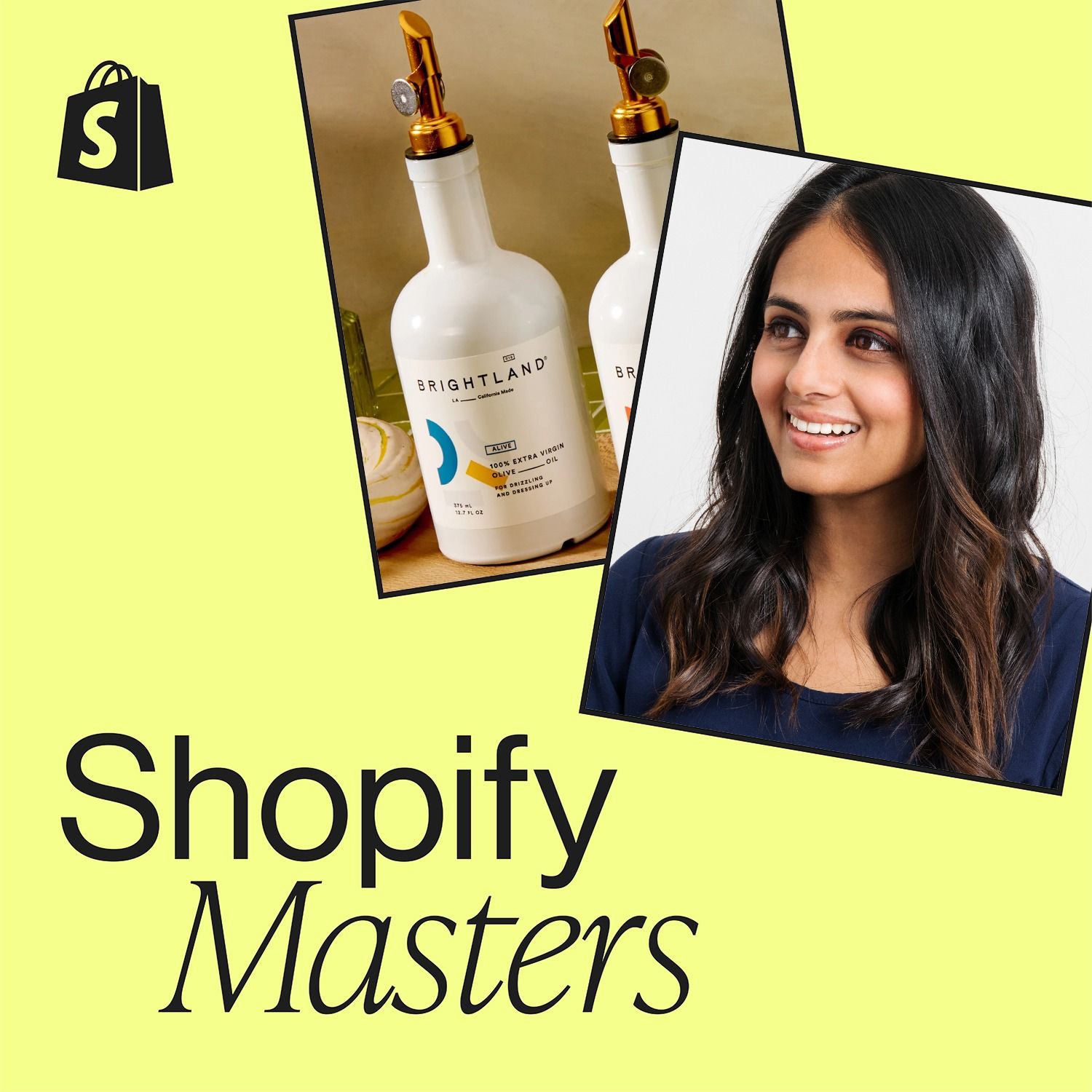
Resist the allure of early, large-scale retail offers. Brightland deliberately delayed partnerships with national retailers until their supply chain was prepared. The founder must also personally become an expert in the complexities of retail; it cannot be fully delegated.
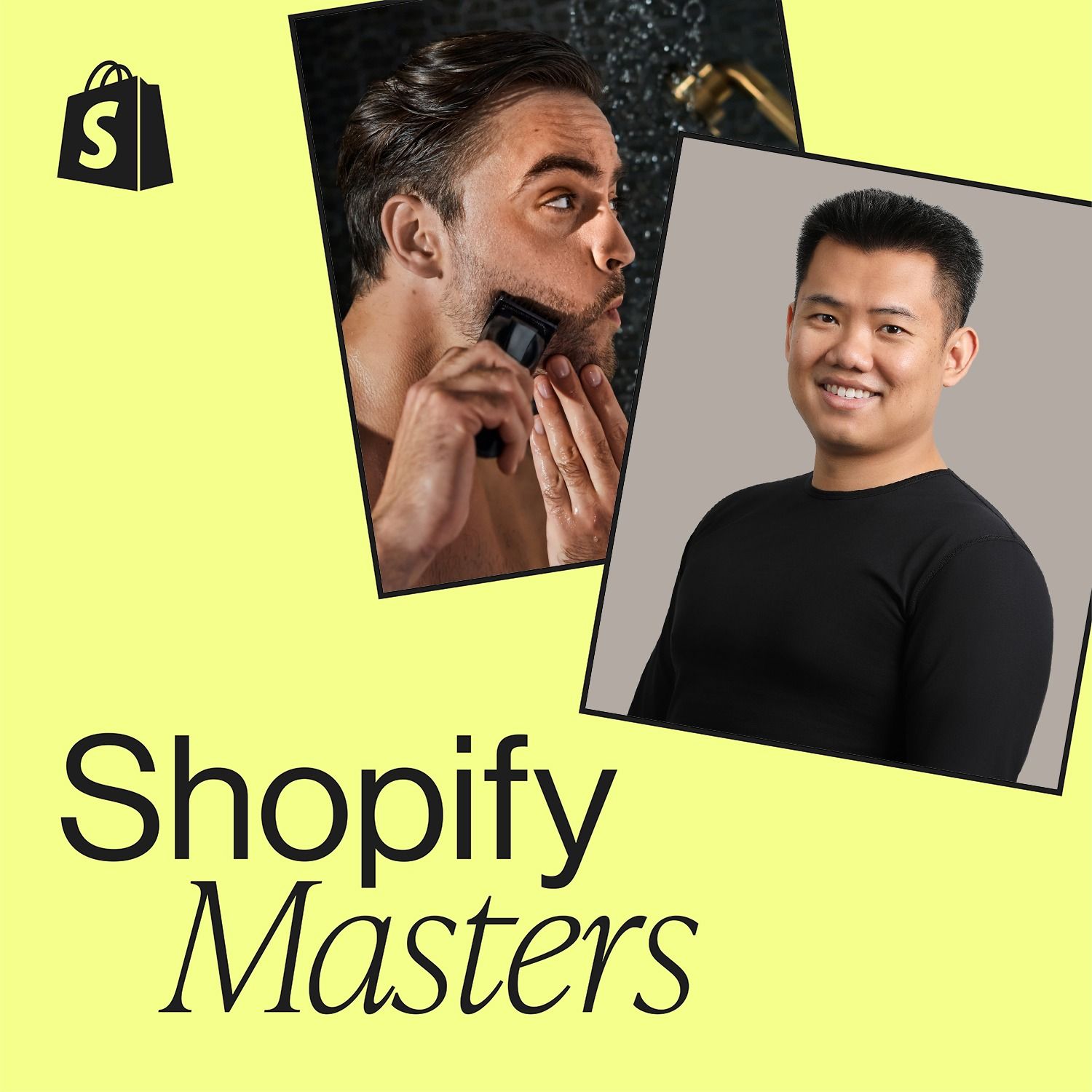
Instead of using retail to build awareness, Manscaped waited until they had massive marketing spend. This ensured customers would specifically seek them out in stores, guaranteeing high sell-through for partners like Target and de-risking the move from D2C to physical retail.
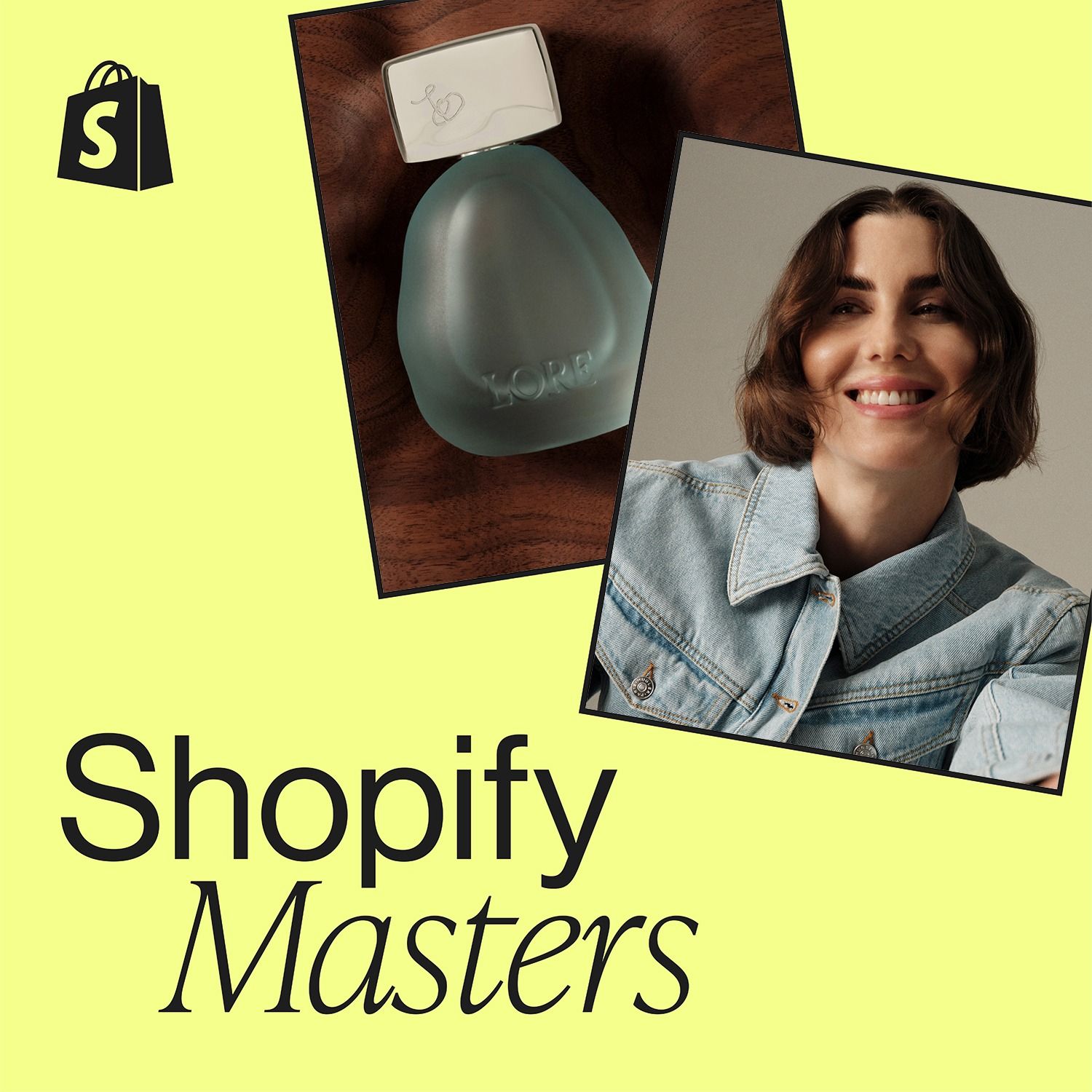
Lore's founder advises that securing retail placement is not the goal; performing well within it is. Starting with a smaller, more strategic door count allows a new brand to prove its model and build momentum before a wider, more expensive rollout.
Emerging brands often view landing a major retailer as the ultimate goal. In reality, it's the start of a more complex phase involving distribution logistics, trade requirements, and performance pressure. Success depends on staying on the shelf, not just getting there.
To get into a major retailer, don't just prove your product sells. Show buyers data that you bring new customers to their category, growing the entire market rather than just cannibalizing sales from existing brands on the shelf.
Seedlip founder Ben Branson launched directly into Selfridges, a premium department store. This immediately gave his unknown brand in a new category the credibility it needed to succeed, bypassing the need to build it from the ground up and validating its premium price point.

Sun Bum refused to let retailers "cherry-pick" a few products. To get shelf space, stores had to purchase a complete, custom-designed display that included the full product line plus merchandise, making the brand seem bigger and more established from day one.
To prepare for a retail launch, Alave's founders conduct extreme in-person reconnaissance. They fly to stores and use tape measures on competitor packaging to ensure their own boxes fit the shelf set and are compliant. They argue merchandising is a top driver of sales, and if you're not physically visible, you can't be bought.