Get your free personalized podcast brief
We scan new podcasts and send you the top 5 insights daily.
Seedlip founder Ben Branson launched directly into Selfridges, a premium department store. This immediately gave his unknown brand in a new category the credibility it needed to succeed, bypassing the need to build it from the ground up and validating its premium price point.

Related Insights
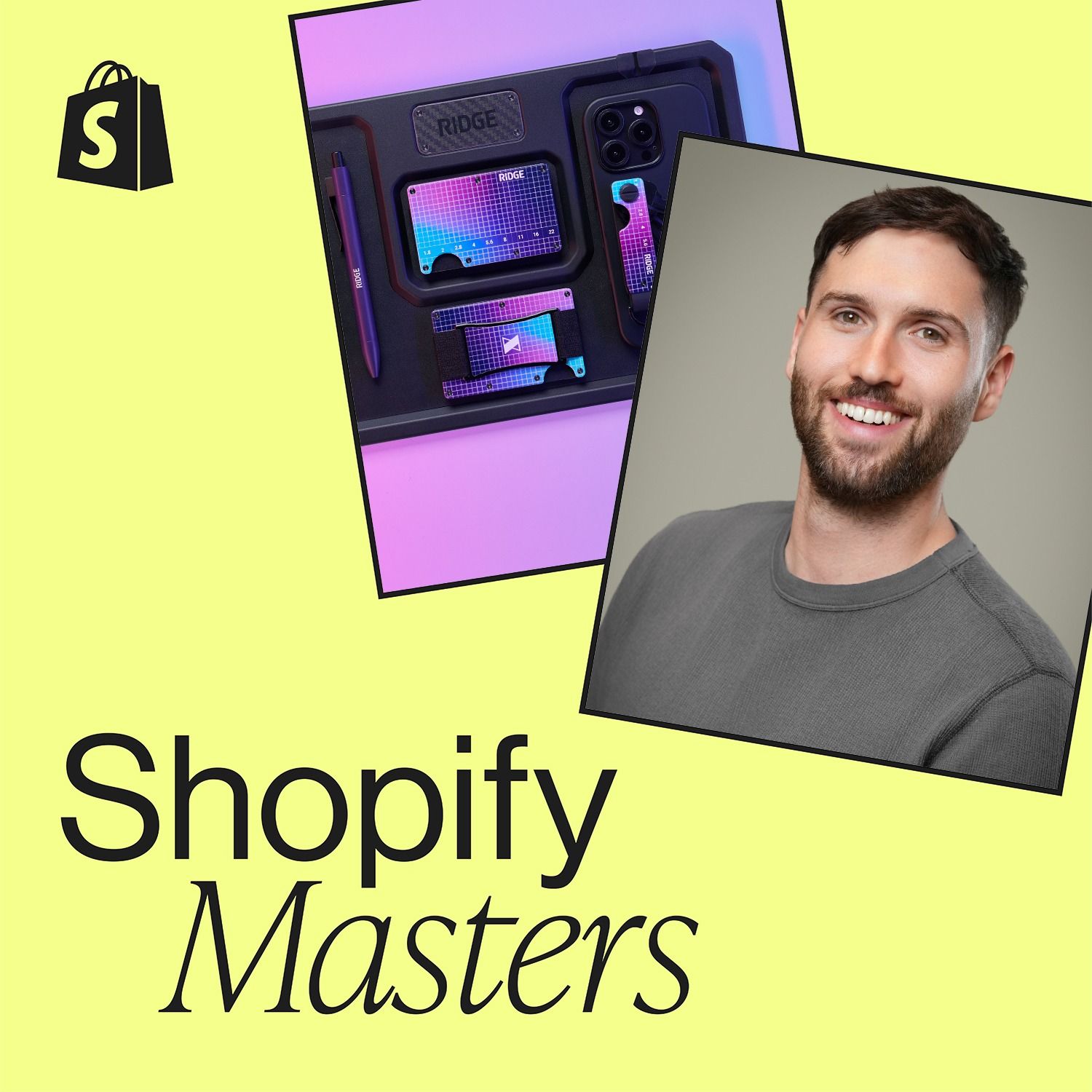
To expand beyond wallets into tech accessories, Ridge gave famous YouTuber Marques Brownlee a board seat. This wasn't just a marketing campaign; his official role acts as a powerful "stamp of approval," giving the brand instant credibility and consumer trust in new product lines.
Early-stage founders can bypass slow, formal buying processes by approaching retailers directly. Jim Cregan of Jimmy's Iced Coffee secured a key listing at Whole Foods by simply walking into their HQ without an appointment and letting the product's compelling design speak for itself.

Getting into one local Whole Foods wasn't just a sale; it was a key. Travis immediately leveraged that single, high-credibility placement to persuade other local retailers to carry his product. He understood that one prestigious "yes" acts as powerful social proof, creating a domino effect for distribution.

When launching an innovative product, approach major retailers by framing it as the anchor of a completely new category you can help them build. This elevates your company from a mere supplier to a strategic partner and category leader.
Instead of focusing on his home market of Quebec where retailers were unreceptive, founder Inder Betty targeted a single influential boutique in New York's Soho. This one key wholesale account acted as a catalyst, opening doors to other boutiques across North America and validating his brand, Matt & Nat.

Instead of building a consumer brand from scratch, a technologically innovative but unknown company can license its core tech to an established player. This go-to-market strategy leverages the partner's brand equity and distribution to reach customers faster and validate the technology without massive marketing spend.
New brands should resist targeting a broad audience. Instead, focus on a specific niche (e.g., Hyrox athletes for a health device) where the product's value is clearly demonstrable. This builds a strong story and credibility that can be leveraged for future expansion into other markets.

Array chose Credo and Erewhon as its first retail partners. These retailers are known for their highly curated, clean product standards. This association lent immediate credibility and brand validation to a new, science-heavy concept, paving the way for broader appeal and de-risking future growth.
Instead of launching a new brand, Faced licensed established UK magazine titles for her Toronto venture. This "imprimatur of an international media company" immediately opened doors with PR agencies and major advertisers, despite her being a solo operator with no initial resources.

Founder Nima Jalali intentionally designed packaging, branding, and content to feel large and established from day one. This strategy attracted customers and premium retailers by projecting success long before the company achieved scale, bucking the trend of appearing like a scrappy startup.