Get your free personalized podcast brief
We scan new podcasts and send you the top 5 insights daily.
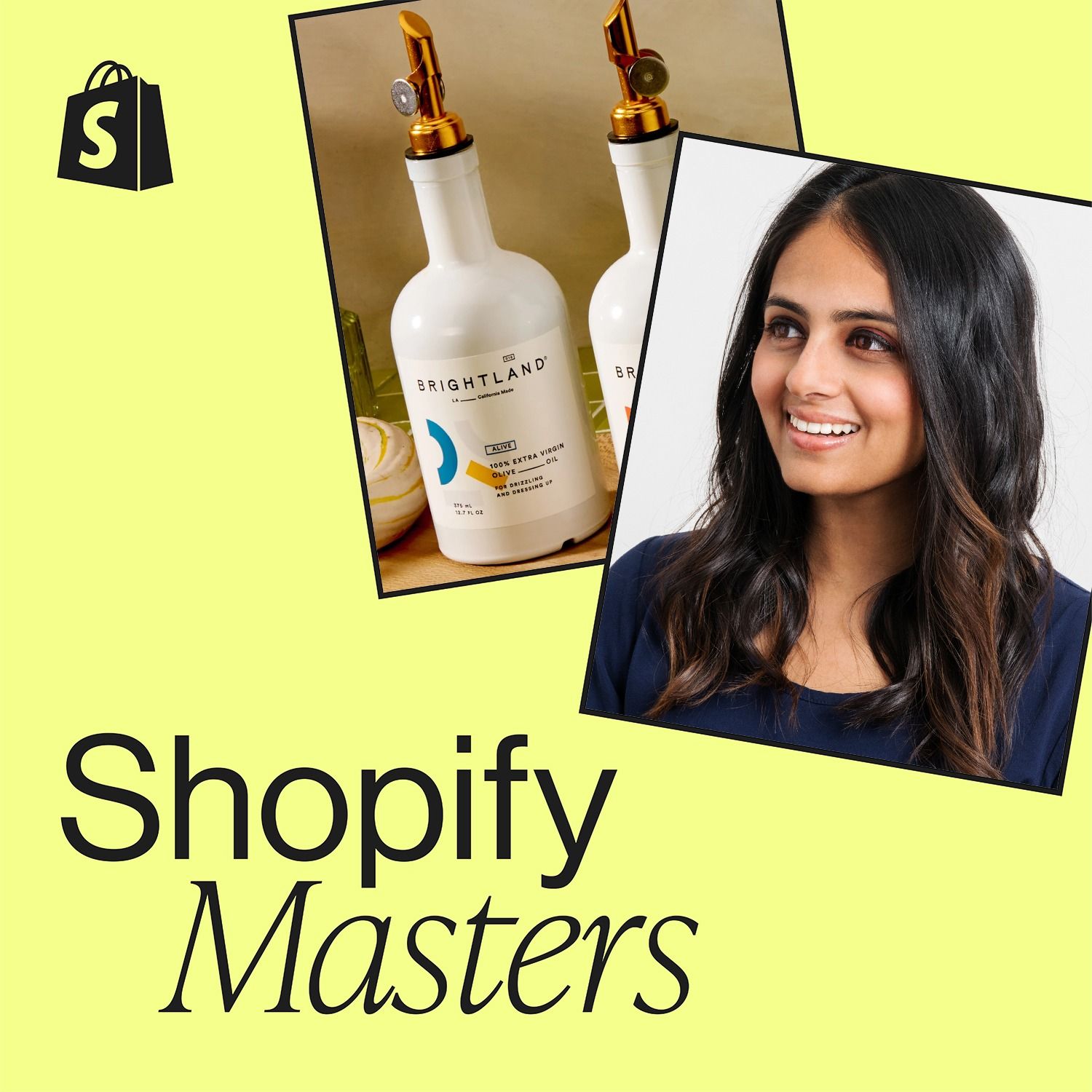
Resist the allure of early, large-scale retail offers. Brightland deliberately delayed partnerships with national retailers until their supply chain was prepared. The founder must also personally become an expert in the complexities of retail; it cannot be fully delegated.
Related Insights
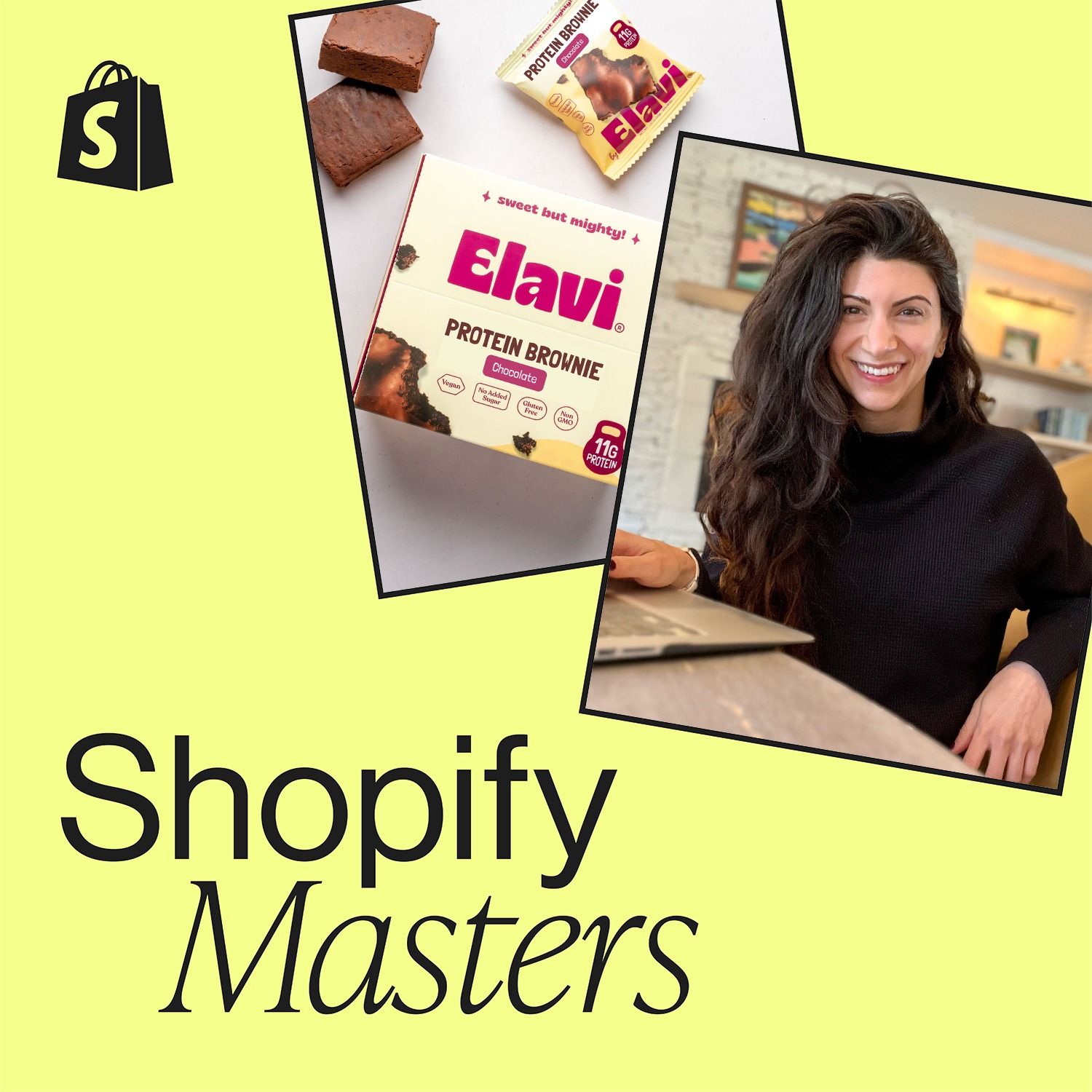
Alave's founders turned down a nationwide launch with Whole Foods, opting for a smaller, regional rollout instead. This counterintuitive move allowed them to mitigate risk, learn the retailer's systems in a controlled environment, and build a sustainable foundation before scaling. This proved crucial when a cyber attack hit their distributor.
Getting into retailers like Target or Walmart feels like validation, but it can bankrupt startups. The high costs, stocking fees, and immense pressure for sell-through often drain resources and lead to failure.

Before scaling a sales organization, founders must personally learn how to sell the product, even if they do it poorly. This hands-on experience provides an invaluable, holistic understanding of the full customer journey, which is critical context that cannot be outsourced or delegated when building a GTM engine.

Jane Wurwand advises a premium food startup to avoid large supermarkets early on. Big chains demand high volume and have long payment cycles that can crush a new business. Instead, focus on small, high-end local grocers where the brand story can shine and payment terms are more manageable.
Emerging brands often view landing a major retailer as the ultimate goal. In reality, it's the start of a more complex phase involving distribution logistics, trade requirements, and performance pressure. Success depends on staying on the shelf, not just getting there.
Founders must be cautious of long payment terms from big retailers, which can be up to six months. This ties up a small company's cash flow, potentially crippling working capital and forcing them into costly financing (factoring) that erodes thin margins.
Pistakio's founders declined offers from Shark Tank and Target because they lacked production capacity. Recognizing their operational limits and saying 'no' to massive exposure protected their business from collapsing under demand they couldn't meet.

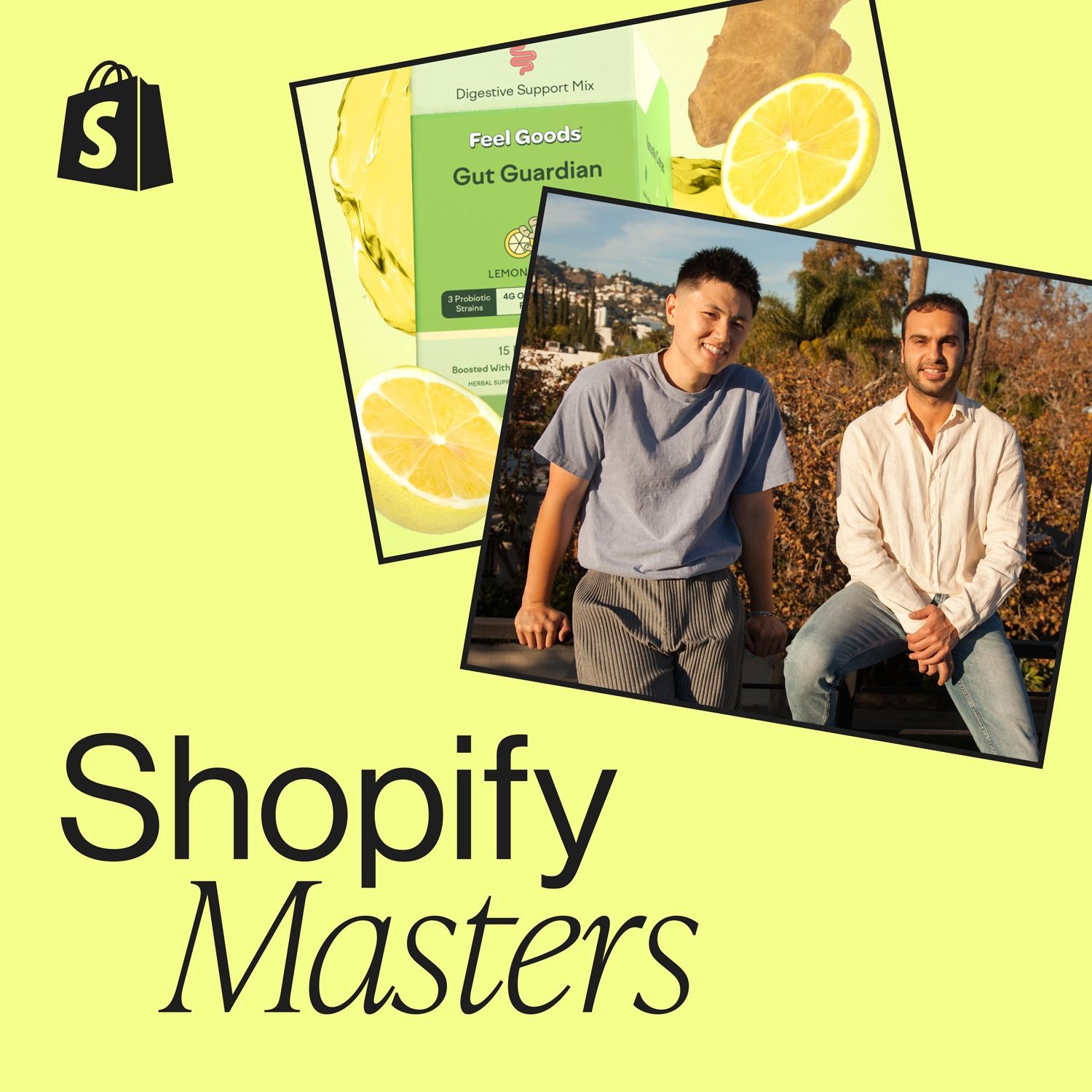
Despite opportunities, Feel Goods has passed on retail launches. Their strategy is to first build a "massive community" and brand recognition through direct-to-consumer channels, ensuring pre-existing demand when they eventually enter stores for a higher chance of success.
A-Frame's CEO warns that retailers can 'love you to death.' Accepting a full-chain launch is tempting, but the marketing and inventory costs can be overwhelming for a young brand. He advises founders to negotiate a smaller, focused launch to prove the concept before expanding.
Early-stage success is built on hands-on, unglamorous work. Brightland's founder validated her product not with expensive focus groups, but by personally hosting olive oil tastings for 50 friends in her apartment. This direct, scrappy feedback is irreplaceable.