Get your free personalized podcast brief
We scan new podcasts and send you the top 5 insights daily.
Lore's founder advises that securing retail placement is not the goal; performing well within it is. Starting with a smaller, more strategic door count allows a new brand to prove its model and build momentum before a wider, more expensive rollout.

Related Insights
To enter physical retail, first test markets with low-cost local events. Next, 'walk' by running trunk shows and pop-ups with wholesale partners. Finally, 'run' by using short-term leases in retail incubators to validate a location before committing to expensive 10-year leases.

Resist the allure of early, large-scale retail offers. Brightland deliberately delayed partnerships with national retailers until their supply chain was prepared. The founder must also personally become an expert in the complexities of retail; it cannot be fully delegated.
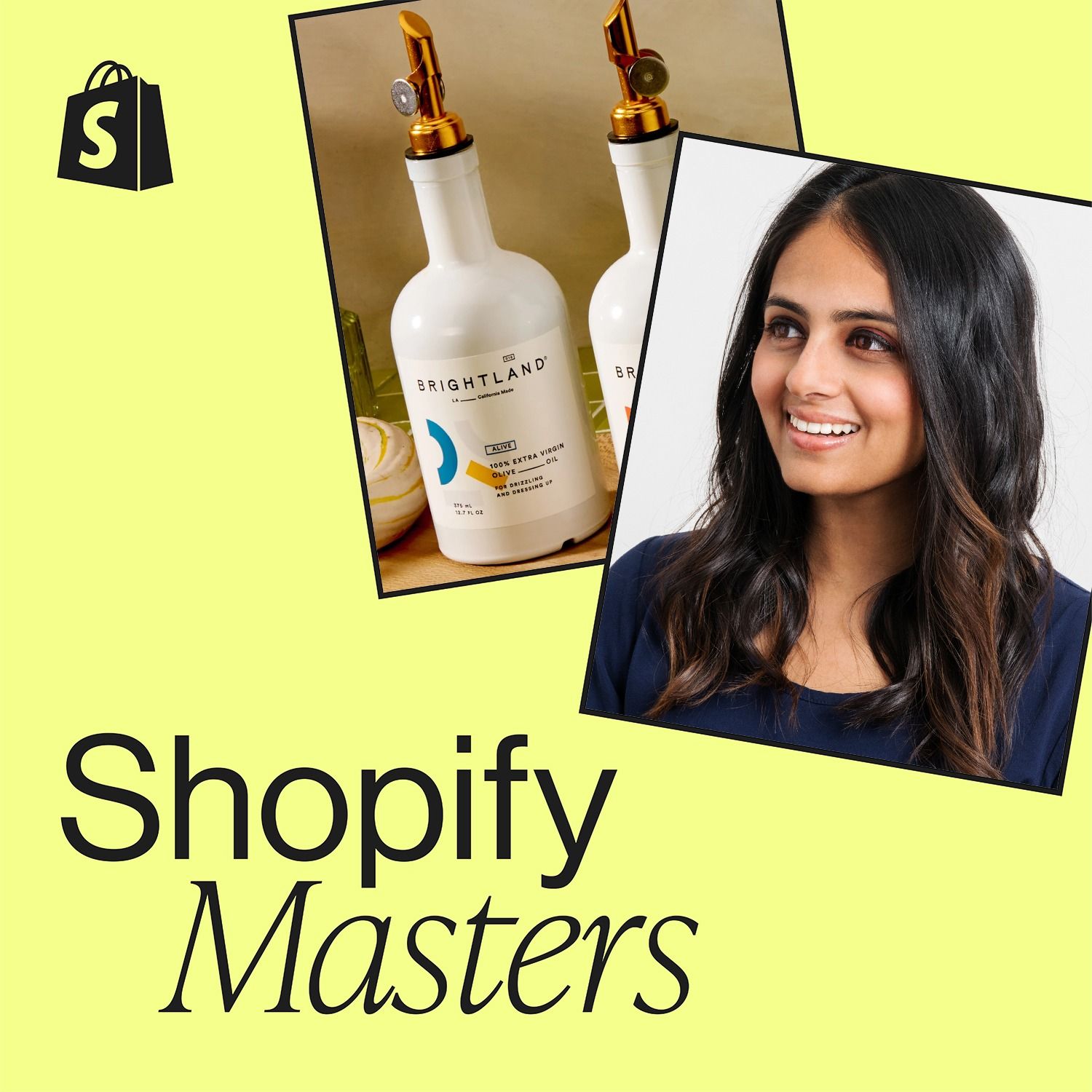
For new CPG products, a methodical go-to-market approach that builds momentum in one strategic channel before expanding is superior to a wide, initial push. This creates a steady, predictable growth curve and avoids massive spikes and crashes in demand and production.

Instead of opening franchises in distant locations, a new franchisor should first build 5-10 locations within a few hours' drive. This strategy, used by successful franchises like Orangetheory, allows for better oversight, support, and testing of the model before a national rollout.

To build a successful franchise, a business must first prove its model is profitable and repeatable. This requires operating three to five corporate-owned stores to perfect unit economics, training systems, brand voice, and operational simplicity before licensing the model to others.
Emerging brands often view landing a major retailer as the ultimate goal. In reality, it's the start of a more complex phase involving distribution logistics, trade requirements, and performance pressure. Success depends on staying on the shelf, not just getting there.
Array chose Credo and Erewhon as its first retail partners. These retailers are known for their highly curated, clean product standards. This association lent immediate credibility and brand validation to a new, science-heavy concept, paving the way for broader appeal and de-risking future growth.
For brands with both physical and wholesale channels, physical stores should serve as marketing assets. Instead of scaling the number of locations, invest heavily in making a few stores so visually appealing and experience-driven that customers are compelled to share on social media, generating free buzz.
A-Frame's CEO warns that retailers can 'love you to death.' Accepting a full-chain launch is tempting, but the marketing and inventory costs can be overwhelming for a young brand. He advises founders to negotiate a smaller, focused launch to prove the concept before expanding.
Before landing major retailers, Buy Rosie Jane used its 50 small boutique partners as a training ground. This 'university' phase allowed them to test messaging, create their own shelf talkers, and define their 'clean' positioning, preparing them for larger-scale success with a fully-formed brand story.