Get your free personalized podcast brief
We scan new podcasts and send you the top 5 insights daily.
To prepare for a retail launch, Alave's founders conduct extreme in-person reconnaissance. They fly to stores and use tape measures on competitor packaging to ensure their own boxes fit the shelf set and are compliant. They argue merchandising is a top driver of sales, and if you're not physically visible, you can't be bought.
Related Insights
Alave's founders turned down a nationwide launch with Whole Foods, opting for a smaller, regional rollout instead. This counterintuitive move allowed them to mitigate risk, learn the retailer's systems in a controlled environment, and build a sustainable foundation before scaling. This proved crucial when a cyber attack hit their distributor.
Getting into one local Whole Foods wasn't just a sale; it was a key. Travis immediately leveraged that single, high-credibility placement to persuade other local retailers to carry his product. He understood that one prestigious "yes" acts as powerful social proof, creating a domino effect for distribution.

Despite beverages being a category people rarely buy online, Breeze generated tens of millions in DTC sales. This built a huge base of customers who preferred to buy in-store, creating a powerful demand flywheel. When Breeze launched in retail, it sold four months of inventory in two weeks.

Sephora combats intense competition by applying a "game of inches" philosophy to its physical retail space. Every section, from teen-focused fragrance displays to strategically placed checkout-line minis, is optimized to sell. This meticulous space utilization creates a highly profitable, frictionless customer experience without any "wasted" space.

When troubleshooting variable retail sell-through, the first step isn't to speculate on solutions. Instead, gather raw data by having fans send photos of in-store product placements from various locations. This information-first approach prevents premature and potentially flawed strategy decisions.

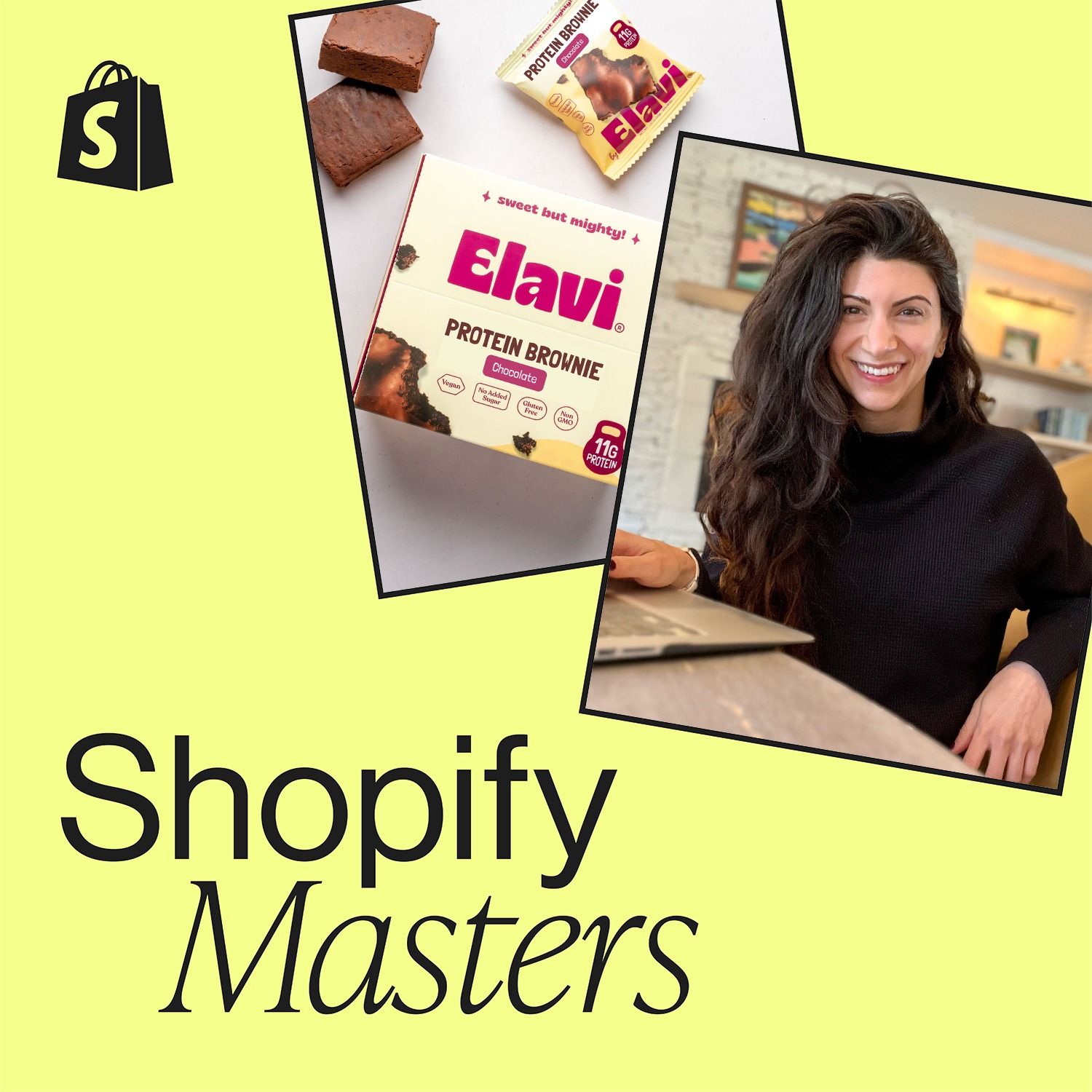
Alave made a bold packaging decision: making the product type (“Protein Brownie”) the main focus, not the brand logo. They gambled that in the split-second a customer looks at a shelf, clearly communicating *what* the product is proves more effective for a new brand than establishing *who* they are. The strategy crushed.
Chomps' first major retail partner, Trader Joe's, operates uniquely by handling all in-store marketing and merchandising. This simplicity allowed the two-person founding team to scale into retail without needing a massive operations team, de-risking a critical growth phase.

Before launching, assess a product's viability by the sheer number of potential distribution points. Manufacturing and logistics are solvable problems if the market access is vast. This reverses the typical product-first approach by prioritizing market penetration from day one.

Travis's idea for Hydro Flask came from seeing an empty water bottle shelf at a store due to a BPA scare. This wasn't just an idea; it was a direct signal of unmet demand and an available distribution channel. A physical gap in the market is a powerful call to action for any entrepreneur.
Instead of fighting for shelf space in traditional retail (a 'red ocean'), identify and create new, unconventional distribution points like hotels, airlines, or golf courses. This 'blue ocean' strategy builds a brand moat with less competition by reimagining where a product can live.