Get your free personalized podcast brief
We scan new podcasts and send you the top 5 insights daily.
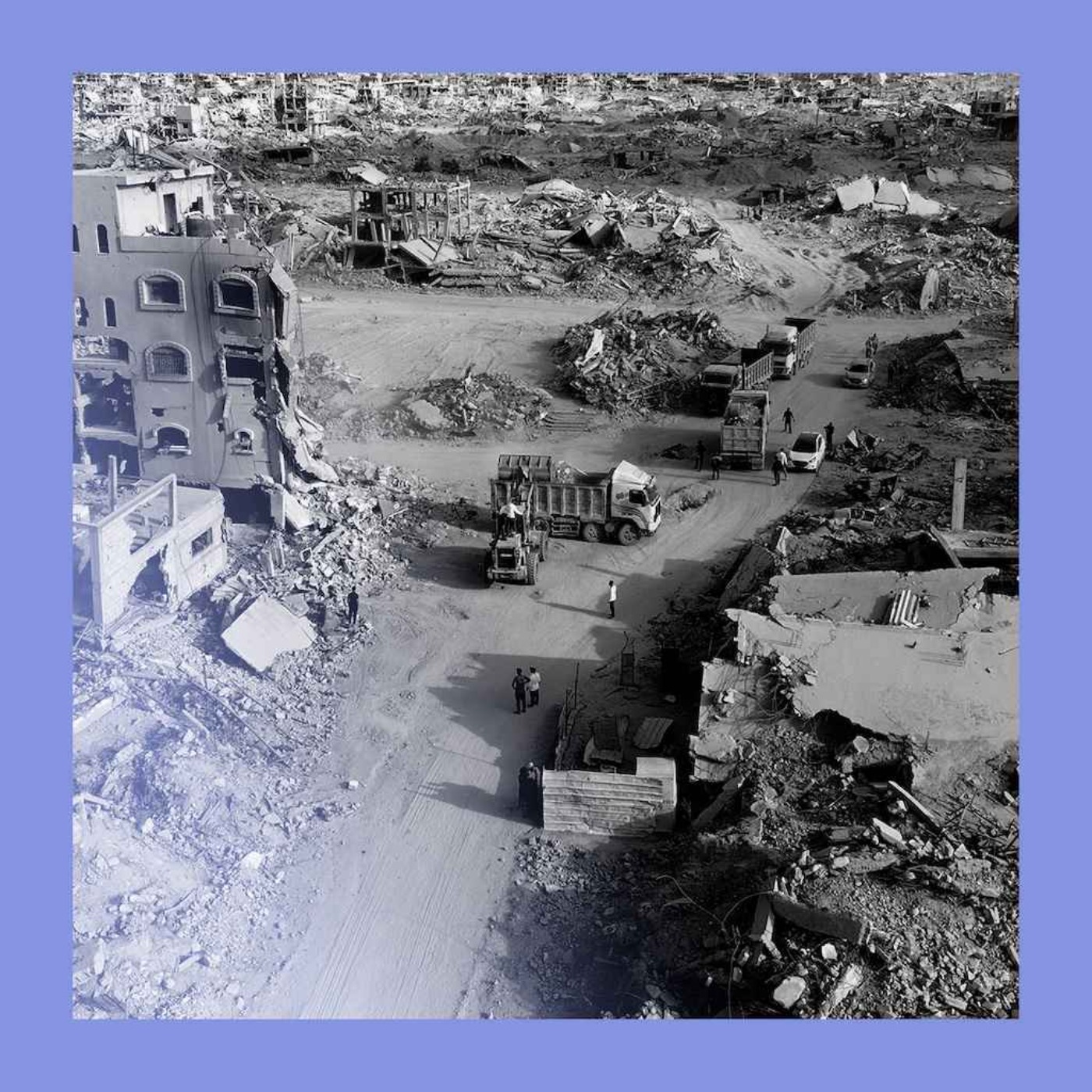
The plan to redevelop Gaza economically presents a moral dilemma: significant, positive outcomes can arise from ethically questionable or even reprehensible actions. Like the founding of America through conflict, achieving a prosperous future may require a price that society finds difficult to accept.

Related Insights
Despite a comprehensive Egyptian-led rebuilding plan, wealthy Gulf monarchies refuse to provide the necessary $55 billion. They will not invest funds that could be destroyed in a future conflict, making Hamas's disarmament a non-negotiable prerequisite for any major rebuilding effort to begin.
Rather than taking a "holier than thou" stance and refusing to engage with governments that have committed atrocities, it is more effective to build bridges. Cooperation invites them into the 21st century and aligns them with your values, whereas isolationism is counterproductive.

The reality of power is morally ugly, necessitating strategic alliances with monstrous figures, like the US partnering with Stalin to defeat Hitler. This isn't an aberration but a core function of geopolitics: using a lesser evil to combat a greater, more immediate threat.

The fact that slavery abolition was a highly contingent event demonstrates that moral progress isn't automatic. This shouldn't be seen as depressing, but empowering. It proves that positive change is the direct result of deliberate human choices and collective action, not a passive trend. The world improves only because people actively work to make it better.

Effective reconstruction in Gaza must prioritize creating meaningful employment and educational opportunities for its young population. This approach addresses the profound loss of purpose and hope, which is a more critical need than simply rebuilding physical structures. Without restoring hope, a future cannot be pursued.

The only historically effective method to resolve deep-rooted religious and ideological conflicts is to shift focus toward shared economic prosperity. Alliances like the Abraham Accords create tangible incentives for peace that ideology alone cannot, by making life demonstrably better for citizens.

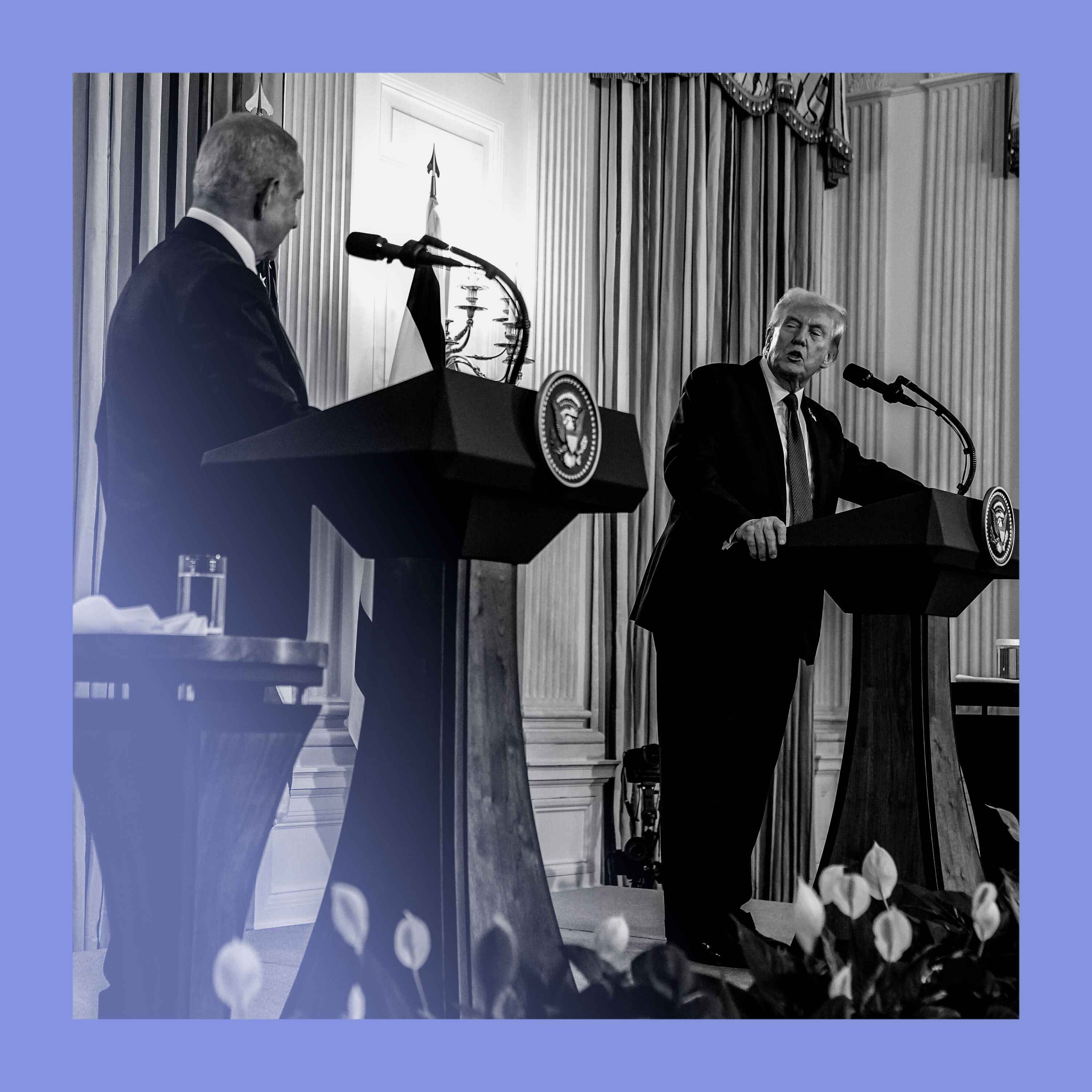
The proposed peace deal’s elements have been discussed for months. The breakthrough isn't the plan itself, but President Trump's willingness to strong-arm Israeli Prime Minister Netanyahu into agreement, a tactic previously avoided by both Trump and his predecessor Joe Biden.
Holding out for morally perfect leaders is naive and paralyzing. The reality of geopolitics is a "knife fight" where leaders inevitably make decisions that result in death. Progress requires working with these flawed individuals rather than disengaging over past actions.
Geopolitical solutions based on earthly incentives like economic development are bound to fail when dealing with an ideology focused on martyrdom. If people believe the ultimate goal is paradise after death, they won't compromise for a better life for their children now.

The idea that growing wealth and education automatically lead to more compassionate values is historically false. Wealthy societies, from the Roman Empire to 18th-century Europe and Belle Époque France, have often been the most deeply committed to slavery and colonialism, using their resources to create more efficient systems of oppression.