Get your free personalized podcast brief
We scan new podcasts and send you the top 5 insights daily.
Despite Trump's stated goal of ending "stupid wars," U.S. foreign policy in the Middle East has aligned more closely with the neoconservative and Israeli lobby's long-term goal of remaking the region. This suggests their influence is a more reliable predictor of U.S. action than the President's own rhetoric.

Related Insights
After 1991, without the Soviet Union as a counterbalancing power, US foreign policy shifted from pragmatic containment to an interventionist, 'neocon' crusade. This ideology of a 'responsibility to protect' led to costly, destabilizing 'forever wars' in the Middle East, a departure from the more measured Cold War approach.
The US needed a conflict that offered the 'appearance of victory' and could be quickly concluded. Israel's goals were more fundamental: ensuring it could never again face a surprise attack, implying a longer, more disruptive war. This misalignment created strategic tension between the allies.

The US, under President Trump, is shifting focus to securing energy interests in its conflict with Iran, even redefining "regime change" to claim victory. This pragmatic pivot clashes with Israel's steadfast goal of completely weakening the Iranian regime, creating a significant strategic divergence and leaving Israeli security interests potentially unaddressed.

An expert predicts that the end of the current war will result in a fundamentally different Middle East: more unstable, fragmented into smaller states, and with its geopolitical and military direction primarily shaped by decisions made in Jerusalem, with U.S. security support.

A major part of Trump's political brand was his opposition to costly, "endless wars" and nation-building. The large-scale military operation in Iran represents a complete departure from this philosophy, raising questions about what prompted such a fundamental and unexplained shift in his foreign policy.
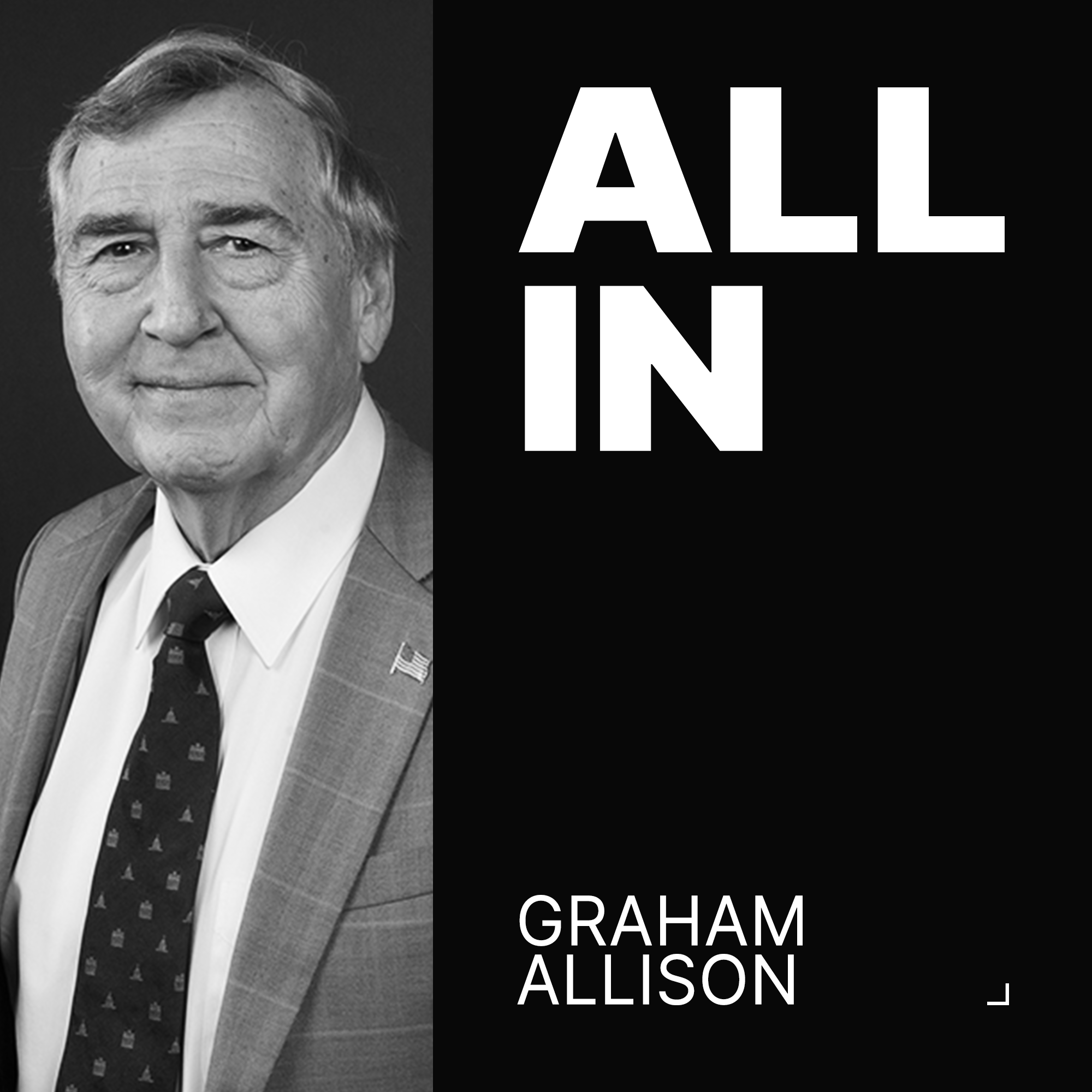
The US attack on Iran was not part of a grand strategy, but the result of Israeli PM Benjamin Netanyahu's two-decade campaign to persuade a US president to act. Professor Allison describes Netanyahu as a 'magician' who successfully 'mesmerized' President Trump into initiating what is effectively 'Bibi's war.'
The US, under Trump, would accept a more manageable 'regime alteration'—a change in leadership behavior without toppling the government. Israel, however, views the complete removal of the current Iranian regime as the only true measure of success in the conflict, creating divergent end goals.
Israel's initial war plan was a targeted campaign against Iran's ballistic missile project. The conflict escalated into a broader, less attainable mission of regime change after the Trump administration joined, demonstrating how a powerful ally's involvement can lead to strategic "mission creep."
Key US allies have incentives for America to enter a conflict with Iran but not win decisively. The ideal outcome for them is a weakened Iran and a distracted, overextended America that is more dependent on their cooperation. This subverts the simple narrative of a unified coalition, revealing a complex web of self-interest.

Despite a united military front against Iran, the US and Israel have divergent long-term goals. The Trump administration aims for a "Venezuela outcome"—a controlled regime ensuring oil flow—while Netanyahu's government is focused on total regime change, creating potential for a future strategic clash.