Get your free personalized podcast brief
We scan new podcasts and send you the top 5 insights daily.
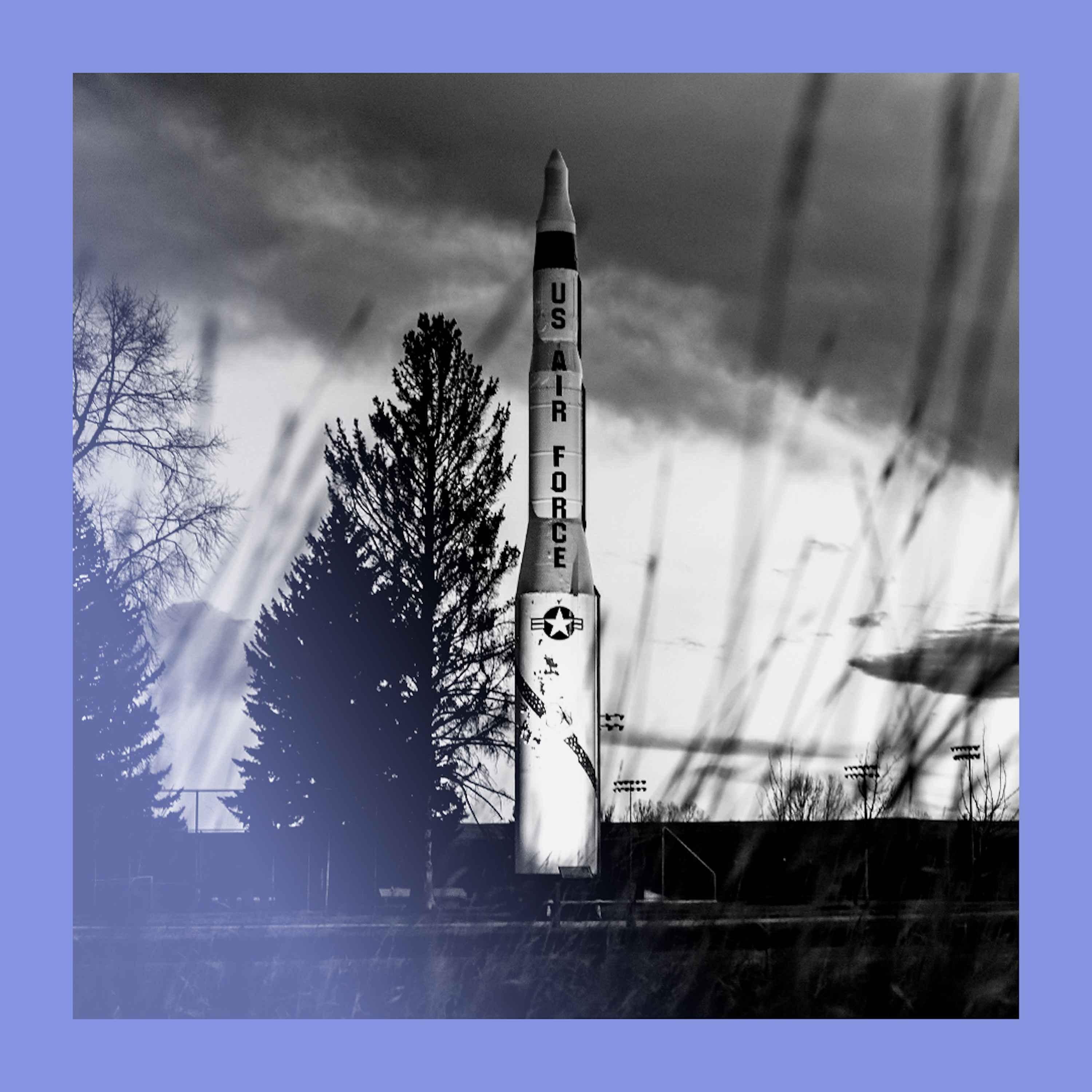
Modern defense strategy requires balancing two historical doctrines: Eisenhower's maximal nuclear deterrence and Maxwell Taylor's proportional force for smaller conflicts. Relying solely on a nuclear threat creates a 'deterrence gap' for minor incursions, necessitating a spectrum of flexible capabilities.
![Darren Farber on Iran, China, and the Rise of Neoprimes - [Invest Like the Best, EP.474] thumbnail](https://megaphone.imgix.net/podcasts/ef669774-cccd-11ed-889b-c36caad6646f/image/158efdddfb983d2678b3530d484e8aa2.jpg?ixlib=rails-4.3.1&max-w=3000&max-h=3000&fit=crop&auto=format,compress)
Related Insights
Under Secretary of War Emil Michael reveals a strategic pivot away from restrictive, "fair fight" rules of engagement. The new approach, reminiscent of the Powell Doctrine, emphasizes using overwhelming force to achieve clear objectives quickly and minimize US casualties.

The greatest risk of nuclear weapon use is not a peacetime accident but a nation facing catastrophic defeat in a conventional war. The pressure to escalate becomes immense when a country's conventional forces are being eradicated, as it may see nuclear use as its only path to survival.

PGIM's Daleep Singh argues that the risk of mutually assured destruction prevents direct military conflict between nuclear powers. This channels confrontation into the economic sphere, using tools like sanctions and trade policy as primary weapons of statecraft.

The US cannot win a manufacturing-based war of attrition against China. Instead of stockpiling existing weapons, the focus must shift to creating a defense industrial base that can rapidly adapt and circumvent new threats. This requires smart, targeted investments in flexible capabilities rather than sheer volume.
The US is moving from a global deterrence posture to concentrating massive force for specific operations, as seen with Iran. This strategy denudes other theaters of critical assets, creating windows of opportunity for adversaries like China while allies are left exposed.

Nuclear deterrence works because the weapons provide a "crystal ball effect." Unlike WWI leaders who couldn't foresee 1918's carnage, modern leaders have a stark, pessimistic view of a nuclear war's outcome. This shared vision of guaranteed calamity creates enormous incentives to avoid starting such a conflict.
The common belief that a large weapons stockpile deters adversaries is flawed. The war in Ukraine demonstrated that the true measure of deterrence is a nation's industrial capacity—the factory's ability to rapidly regenerate and replace assets consumed in conflict.

Unlike China's historical "minimal deterrence" (surviving a first strike to retaliate), the US and Russia operate on "damage limitation"—using nukes to destroy the enemy's arsenal. This logic inherently drives a numbers game, fueling an arms race as each side seeks to counter the other's growing stockpile.
In a world with nuclear weapons, conflicts between major powers are determined less by economic or military might and more by which side demonstrates greater resolve and willingness to risk escalation. This dynamic places an upper bound on how much one state can coerce another.

The high rate of munitions expenditure against Iran, a secondary power, proves the US cannot sustain a conventional, attrition-based war with China. This reality is forcing strategists to develop alternative deterrence concepts that don't rely on winning a "firepower competition" with the PLA.
