Get your free personalized podcast brief
We scan new podcasts and send you the top 5 insights daily.
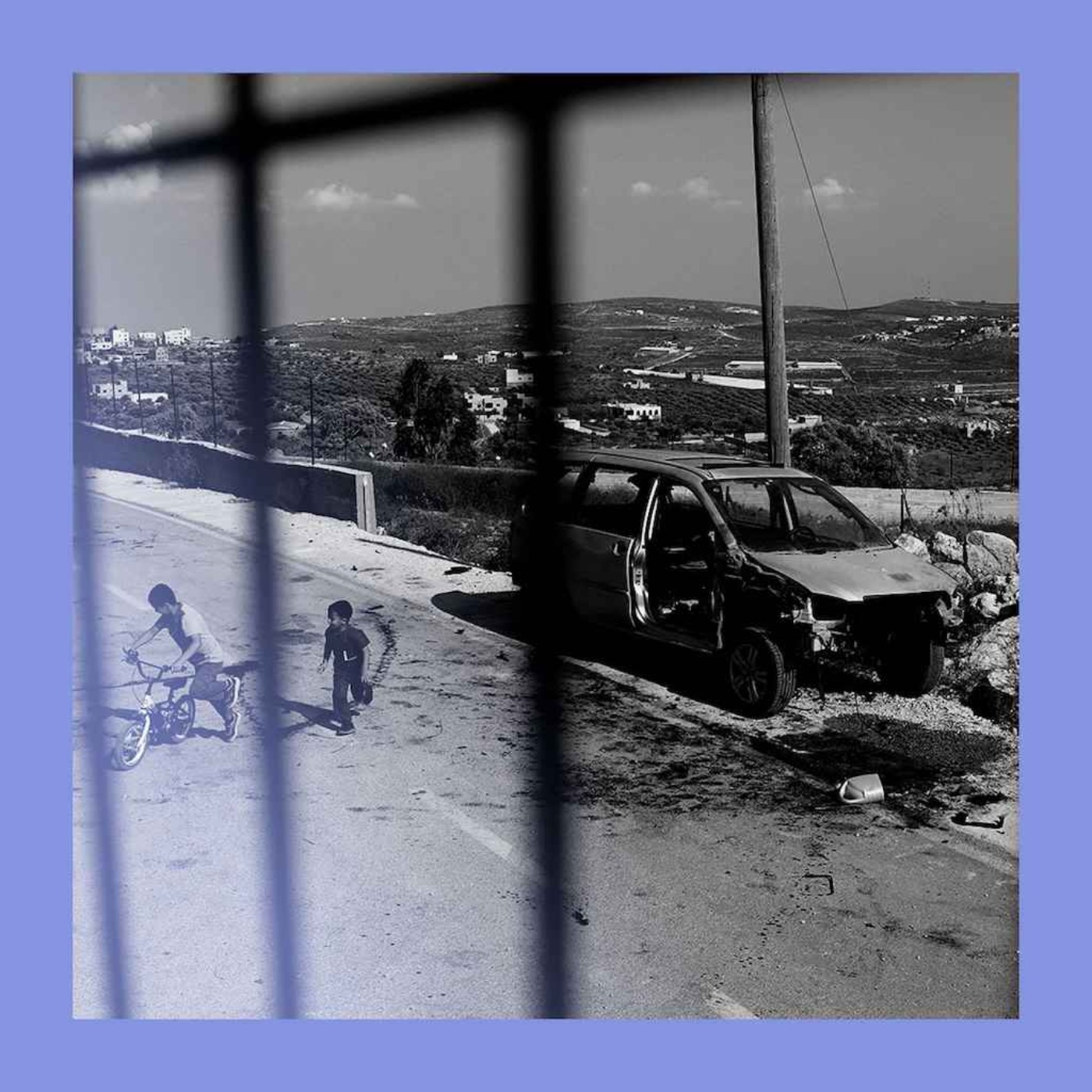
Prime Minister Netanyahu's government avoids cracking down on settler attacks in the West Bank due to political dependency. With an election looming, they cannot afford to alienate their far-right coalition partners who actively support the settlers, effectively paralyzing any state action against the violence.
Related Insights
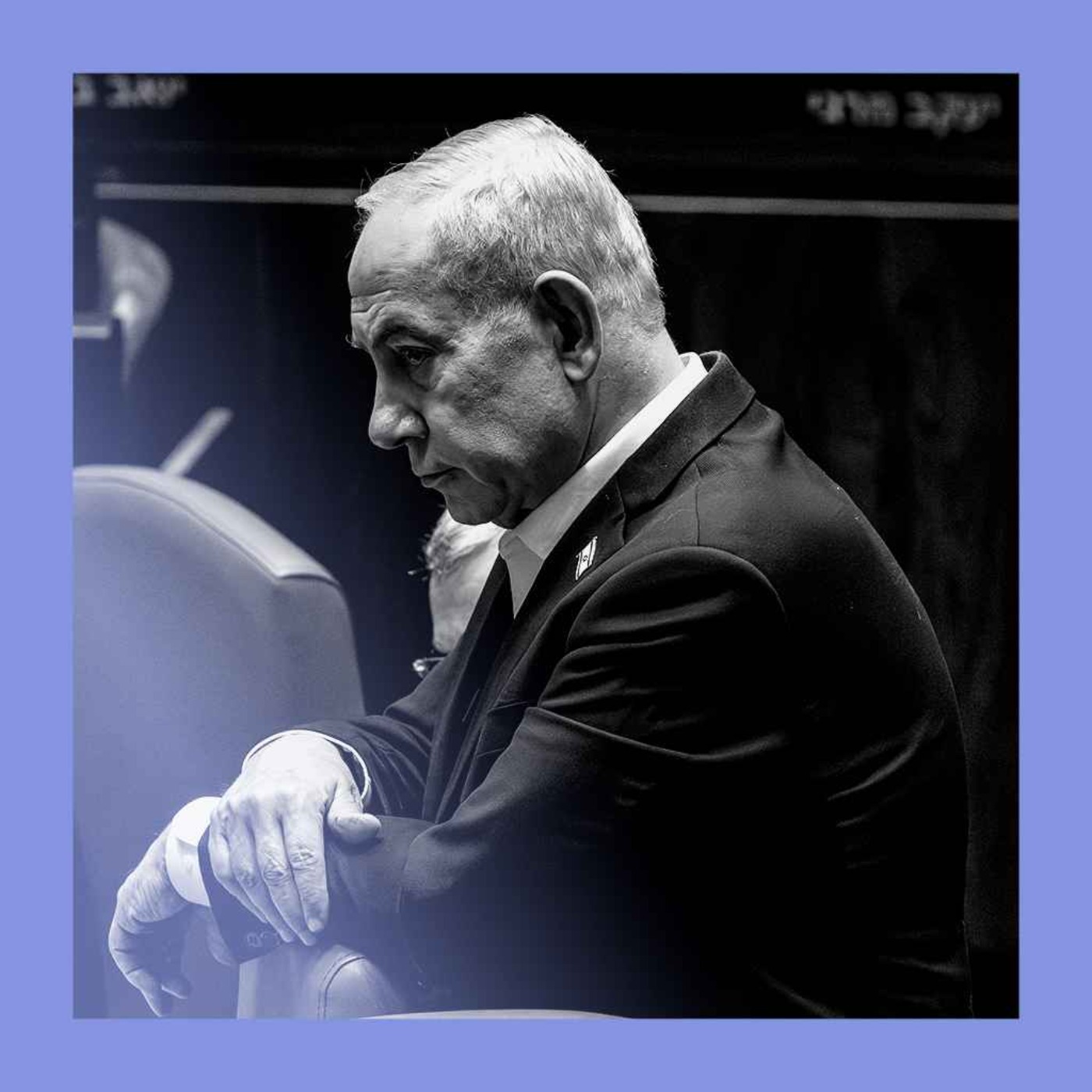
Despite the Palestinian conflict being central to Israel's future, politicians are intentionally avoiding it as a campaign topic. They believe voters, traumatized by October 7th, are not ready for a serious discussion, creating a dangerous disconnect between electoral debate and existential reality.
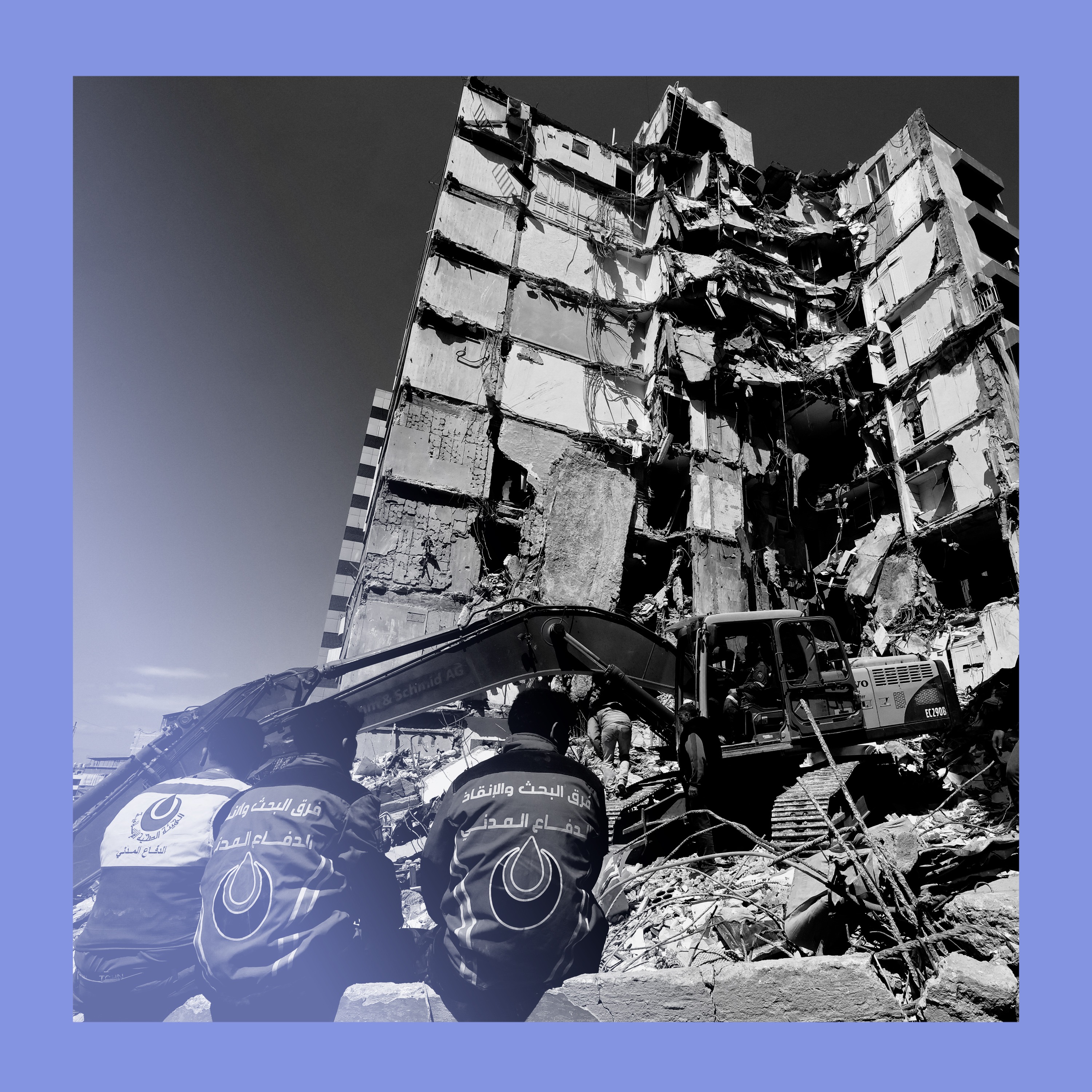
With the main war against Iran ending on disadvantageous terms for Israel, Prime Minister Netanyahu is prolonging the conflict with Hezbollah in Lebanon. This allows him to project a "fighting spirit" to his electorate ahead of an election, turning a secondary front into a primary stage for political posturing.
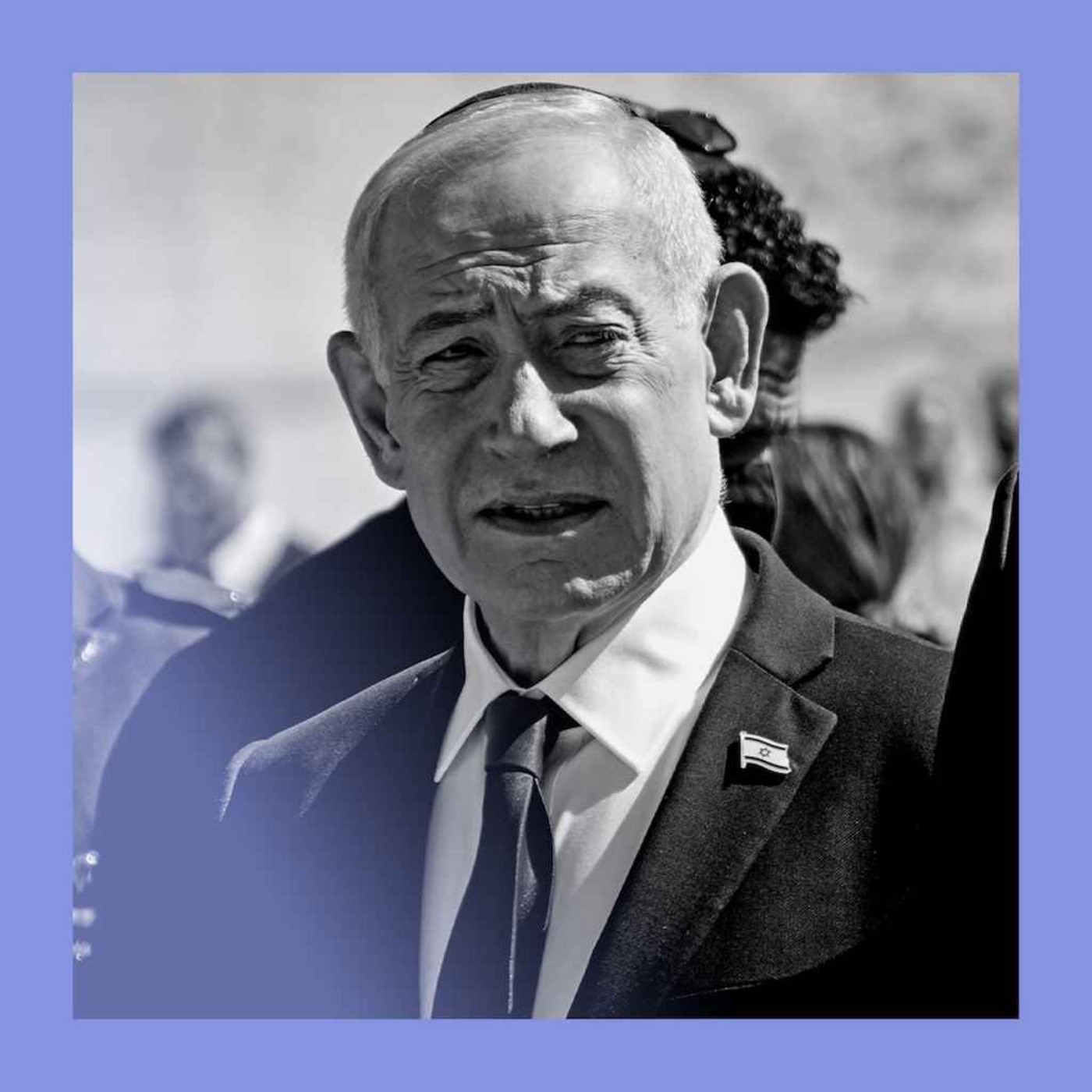
Benjamin Netanyahu's political survival doesn't solely depend on winning a majority. A key advantage is the high probability that the opposition, even with more collective seats, will struggle to form a stable governing coalition, potentially allowing him to remain in power.
Beyond specific land grabs, the escalating settler attacks may be a deliberate strategy to provoke a full-scale Palestinian uprising. Such a conflict would justify a larger military presence, solidify the occupation, and potentially shift public opinion toward the far-right government before an election.
According to Buttigieg, Benjamin Netanyahu's actions in Gaza and the West Bank reveal an ideological project to take over "Greater Israel," a vision with little room for Palestinians. This motive transcends stated goals of national security and explains his aggressive policies.

Both Israeli and Hamas leaders face domestic constraints that undermine peace efforts. Netanyahu fears disrupting his far-right coalition before an election, while Hamas is pressured by its patrons to cooperate but is unwilling to relinquish its power or weapons, creating a diplomatic stalemate.

Settlers establish outposts near Palestinian villages and deliberately provoke confrontations, which they term 'friction.' This tactic is designed to bring in the Israeli army, which typically sides with the settlers, effectively using state military power to expand their presence and create no-go zones for Palestinians.
Polling suggests Israel's diverse opposition parties could secure a parliamentary majority. However, their deep ideological divisions make forming a stable governing coalition a significant challenge. This fragmentation creates a path for the politically skillful Netanyahu to retain power even after a numerical loss.
Salam Fayyad asserts that settler violence in the West Bank is not a fringe issue but is condoned by the Israeli government. Because extremist settlers act with the full protection of the Israeli army, which could easily stop them, their actions to drive Palestinians away must be understood as intentional policy.

Contrary to public perception, Israeli and Palestinian Authority security leadership work together effectively. This cooperation targets common threats like Hamas and extremist Israeli settlers, but it remains unpublicized to avoid backlash from their respective populations.
