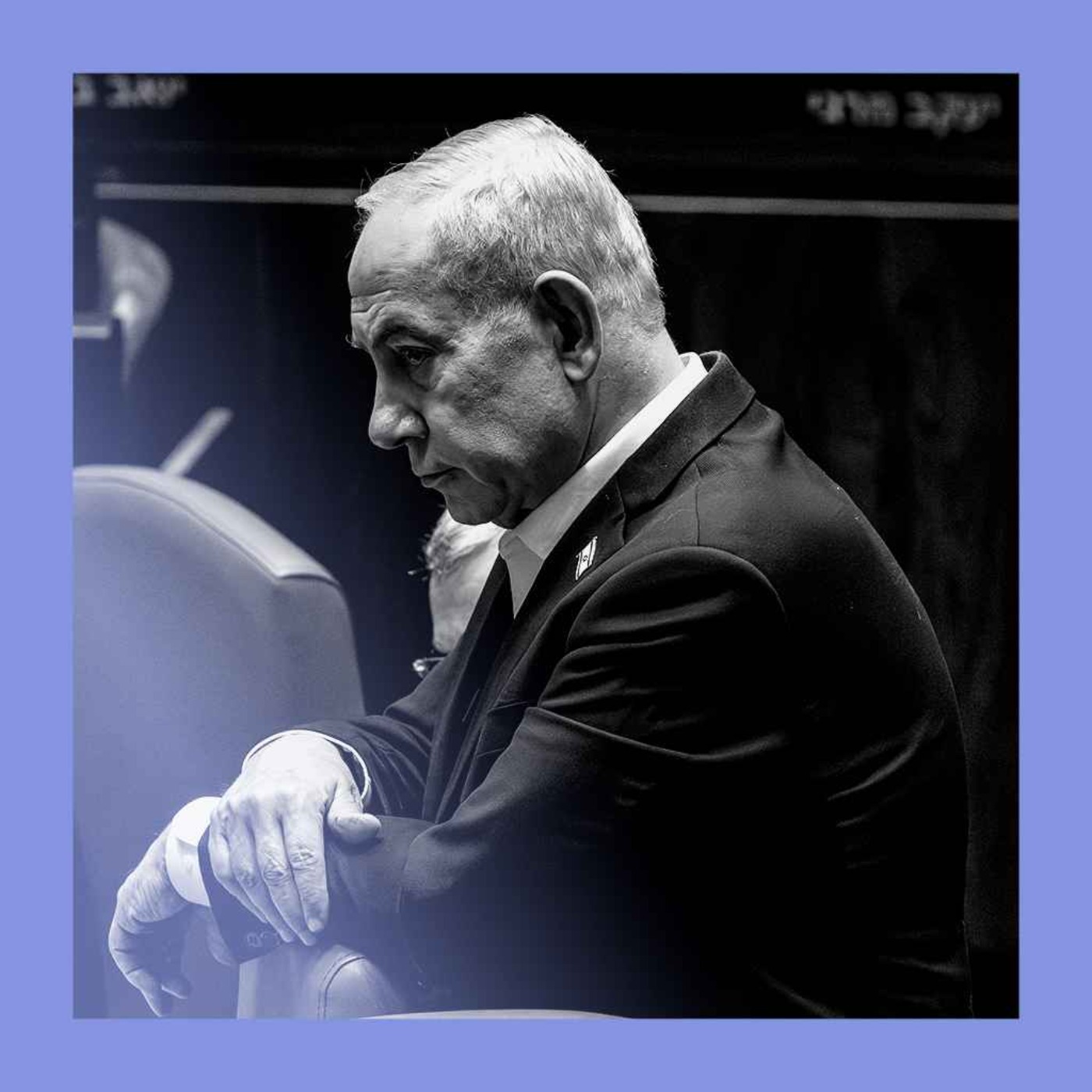
Despite the Palestinian conflict being central to Israel's future, politicians are intentionally avoiding it as a campaign topic. They believe voters, traumatized by October 7th, are not ready for a serious discussion, creating a dangerous disconnect between electoral debate and existential reality.
The key domestic issue polarizing Israeli voters is not the ongoing wars, but the long-standing military conscription exemption for the Haredi community. This controversial policy, affecting 90,000 individuals, has become a focal point for opposition parties, highlighting deep societal divisions over national burden-sharing.
Polling suggests Israel's diverse opposition parties could secure a parliamentary majority. However, their deep ideological divisions make forming a stable governing coalition a significant challenge. This fragmentation creates a path for the politically skillful Netanyahu to retain power even after a numerical loss.
President Trump's direct and admitted intervention to overturn a red card for a US player during the World Cup marks a new level of political meddling in sports. While rumors of such influence have existed, this brazen act sets a dangerous precedent, undermining the integrity of global sporting events.
The death of a massive iceberg is not purely a story of loss. Its dissolution releases vast quantities of minerals, acting like a 'bomb of nutrients' that fertilizes the ocean and supports marine ecosystems. This complicates the simple narrative of environmental disaster with a counterintuitive, life-giving effect.
Beneath concerns about Israel's high-tech economy lies a deeper fear about its fractured education system. The focus is on the failure to teach secular subjects in ultra-orthodox schools and neglect of Arab schools, raising doubts about the nation's ability to produce the talent needed to sustain its economic engine.