Get your free personalized podcast brief
We scan new podcasts and send you the top 5 insights daily.
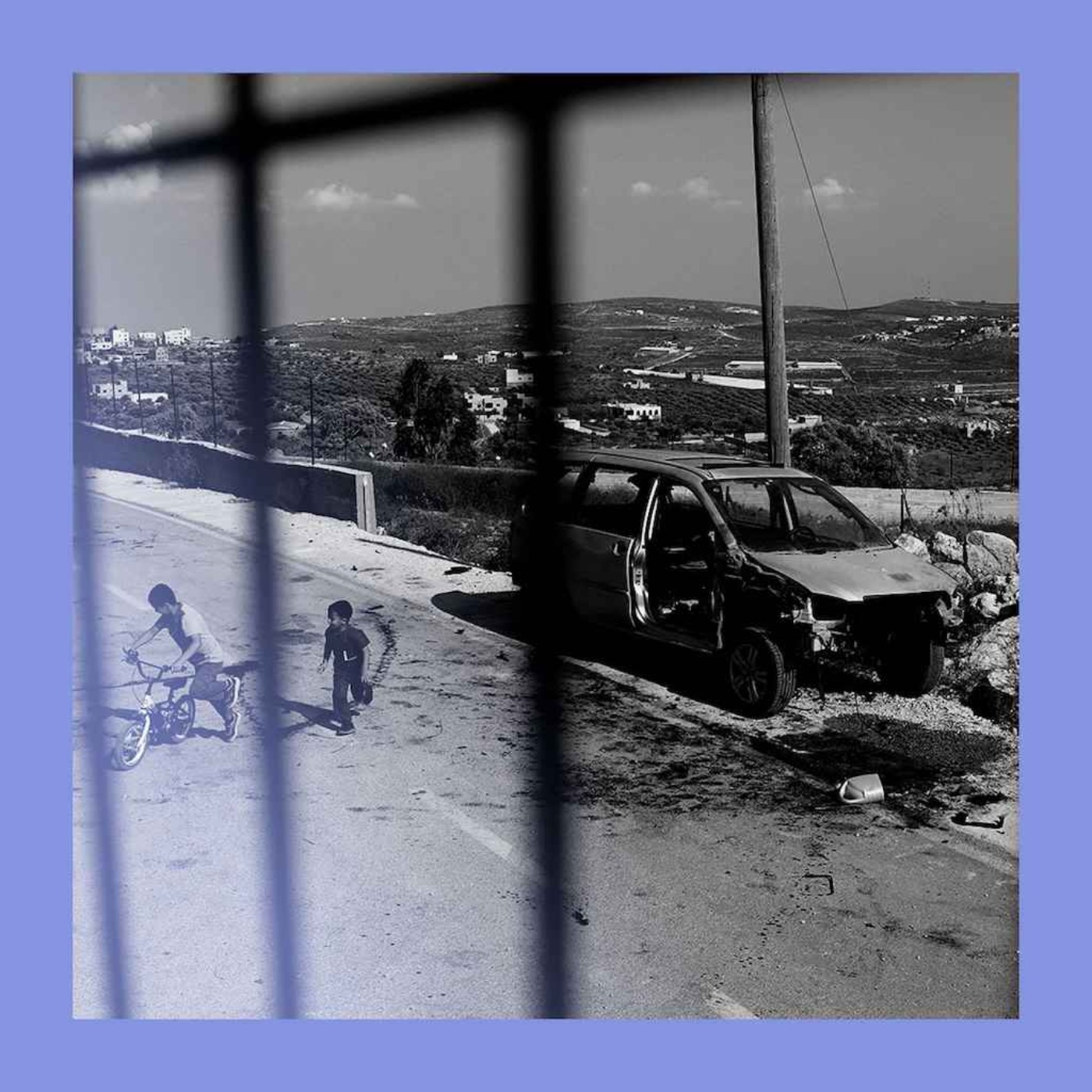
Settlers establish outposts near Palestinian villages and deliberately provoke confrontations, which they term 'friction.' This tactic is designed to bring in the Israeli army, which typically sides with the settlers, effectively using state military power to expand their presence and create no-go zones for Palestinians.
Related Insights
The Israeli withdrawal from Gaza, without Hamas being disarmed or an international force in place, creates a space for violent clashes. Hamas, armed gangs, and powerful clans are already competing for control, illustrating a critical risk in phased peace plans where security is not transferred seamlessly.

Prime Minister Netanyahu's government avoids cracking down on settler attacks in the West Bank due to political dependency. With an election looming, they cannot afford to alienate their far-right coalition partners who actively support the settlers, effectively paralyzing any state action against the violence.
The historical establishment of Israel is presented as a playbook for political conquest through demographics. A group can immigrate into a region, grow its numbers until it becomes a dominant political class, and eventually assume control, a strategy potentially being replicated by other groups in modern nations.

Beyond specific land grabs, the escalating settler attacks may be a deliberate strategy to provoke a full-scale Palestinian uprising. Such a conflict would justify a larger military presence, solidify the occupation, and potentially shift public opinion toward the far-right government before an election.
For deep-seated issues like the Israeli-Palestinian conflict, pursuing a grand final solution is often counterproductive. A better approach is to "shrink the conflict" through practical, tangible steps like building transportation corridors, which can reduce friction and build momentum for an eventual resolution.

Viewing the conflict as two rational sides in a misunderstanding is flawed. Both sides see the other as an existential threat and are willing to use extreme violence to achieve their goals. This reframes the narrative from a political dispute to a primal, violent tribal conflict where both sides see themselves as righteous.

The creation of Israel is framed not as a nationalist or religious project, but as a strategic business model by the British Empire and financiers like the Rothschilds. Its purpose was to install a permanent military-industrial asset in the Middle East to ensure constant conflict, justifying war profiteering and resource extraction.
Salam Fayyad asserts that settler violence in the West Bank is not a fringe issue but is condoned by the Israeli government. Because extremist settlers act with the full protection of the Israeli army, which could easily stop them, their actions to drive Palestinians away must be understood as intentional policy.

The Israel-Palestine conflict is often framed as a religious clash, but its root is the political reality of military occupation. The Palestinian response is a predictable human reaction to subjugation, similar to the Irish resisting the British, not a unique feature of their religion.

Contrary to public perception, Israeli and Palestinian Authority security leadership work together effectively. This cooperation targets common threats like Hamas and extremist Israeli settlers, but it remains unpublicized to avoid backlash from their respective populations.