Get your free personalized podcast brief
We scan new podcasts and send you the top 5 insights daily.
Both Israeli and Hamas leaders face domestic constraints that undermine peace efforts. Netanyahu fears disrupting his far-right coalition before an election, while Hamas is pressured by its patrons to cooperate but is unwilling to relinquish its power or weapons, creating a diplomatic stalemate.

Related Insights
Despite the Palestinian conflict being central to Israel's future, politicians are intentionally avoiding it as a campaign topic. They believe voters, traumatized by October 7th, are not ready for a serious discussion, creating a dangerous disconnect between electoral debate and existential reality.
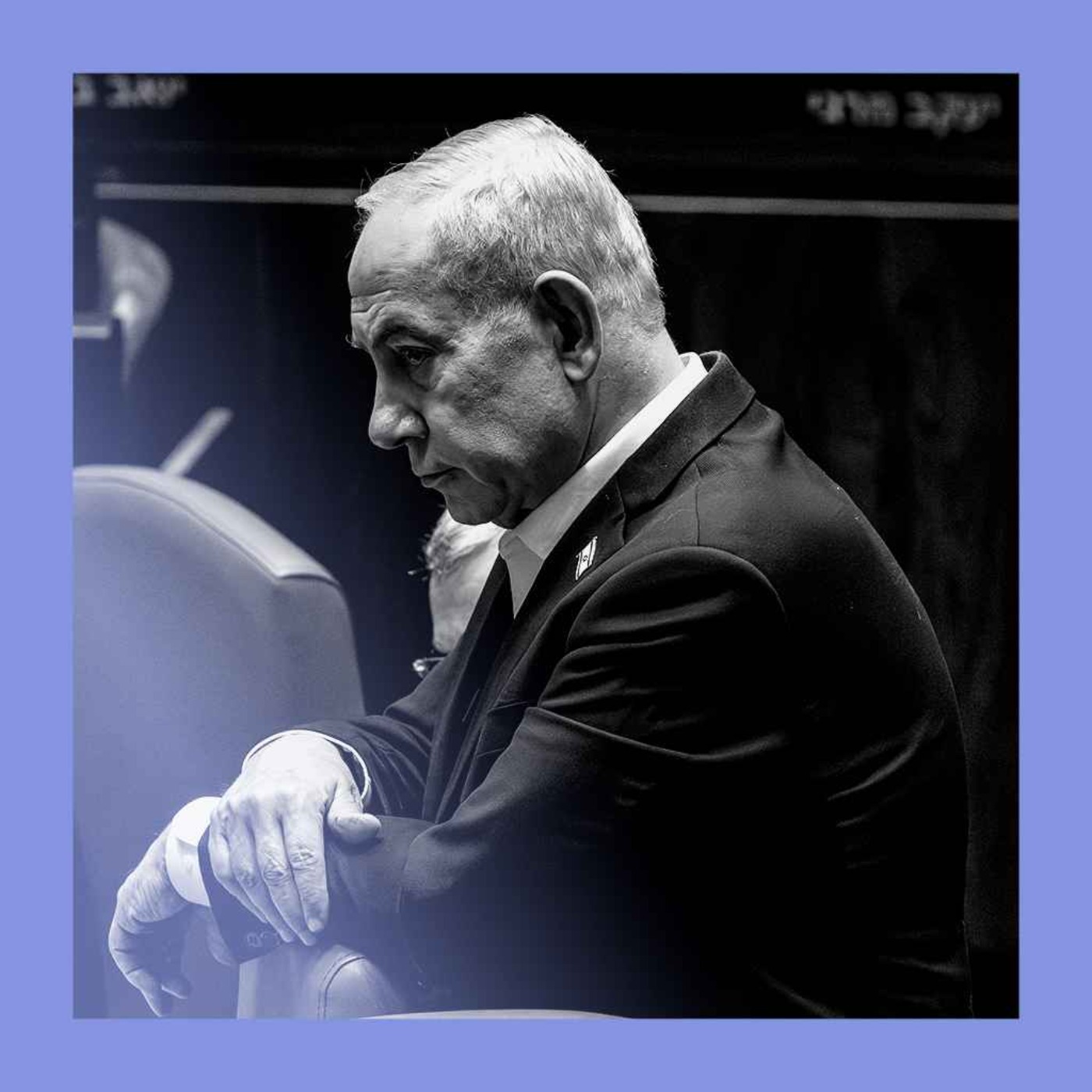
With the main war against Iran ending on disadvantageous terms for Israel, Prime Minister Netanyahu is prolonging the conflict with Hezbollah in Lebanon. This allows him to project a "fighting spirit" to his electorate ahead of an election, turning a secondary front into a primary stage for political posturing.

Israeli PM Netanyahu's acceptance of the peace plan is a study in contradiction. While publicly endorsing the deal, he immediately rejected a key component: a role for the Palestinian Authority in post-war Gaza. This tactic creates 'wiggle room' and signals a lack of genuine buy-in, challenging the deal's future.
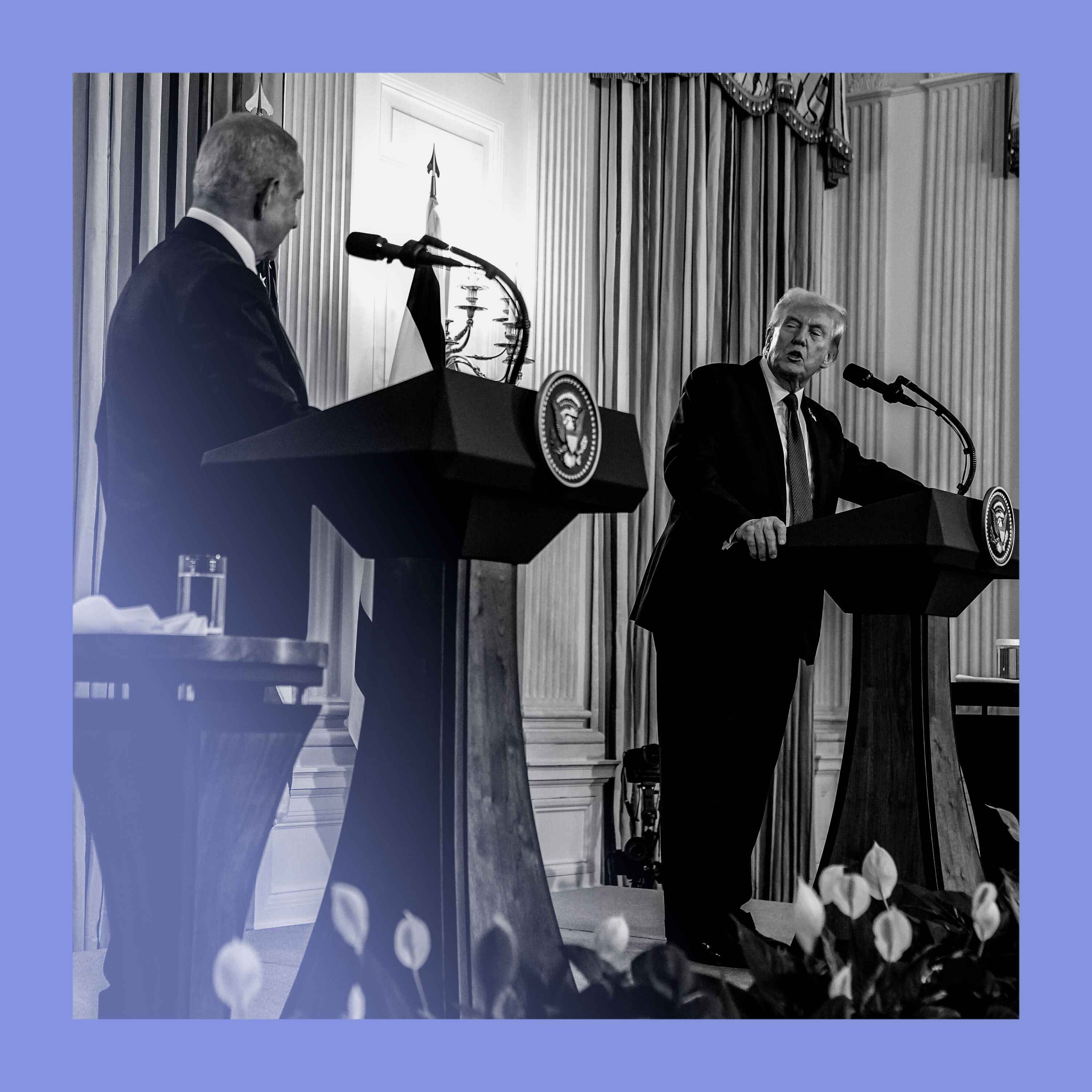
Israeli officials are split on handling the Lebanon conflict. Diplomats favor weakening Hezbollah and empowering the Lebanese army, while hard-right politicians and military officials push for a long-term occupation of a 'security zone.' This internal division creates strategic ambiguity and complicates any clear path to resolution.
The proposed peace deal’s elements have been discussed for months. The breakthrough isn't the plan itself, but President Trump's willingness to strong-arm Israeli Prime Minister Netanyahu into agreement, a tactic previously avoided by both Trump and his predecessor Joe Biden.
A monumental agreement for Hamas to disarm is being met with apathy because, in the current political climate, no stakeholder views it as a victory. The deep-seated distrust and entrenched narratives on all sides mean that a potential end to the conflict is not being celebrated or pursued, as it doesn't fit anyone's winning agenda.

The viability of a two-state solution depends entirely on the nature of the new Palestinian government. A state cannot achieve stability if it is run by a terrorist organization like Hamas. The international community's push for statehood is meaningless without addressing the internal governance that perpetuates violence.

The breakthrough was achieved by splitting the agreement into phases. The initial, easier phase focuses on hostage release and partial withdrawal. The most contentious issues, like post-war governance and Hamas's disarmament, were intentionally postponed, creating both immediate success and future risk.

High-profile peace announcements, like the Trump-brokered Gaza deal, can be misleading. Critical details such as the sequence of actions and the authority of new governing bodies remain contentious, with both parties deeply skeptical and waiting for the other to violate the terms.
For Israeli PM Benjamin Netanyahu, an inconclusive end to the war with Iran would be a significant political blow. After claiming a "victory for generations" just eight months prior, another stalemate would undermine his credibility with the Israeli public ahead of an election, making a clear win essential.