Get your free personalized podcast brief
We scan new podcasts and send you the top 5 insights daily.
Despite the Palestinian conflict being central to Israel's future, politicians are intentionally avoiding it as a campaign topic. They believe voters, traumatized by October 7th, are not ready for a serious discussion, creating a dangerous disconnect between electoral debate and existential reality.
Related Insights
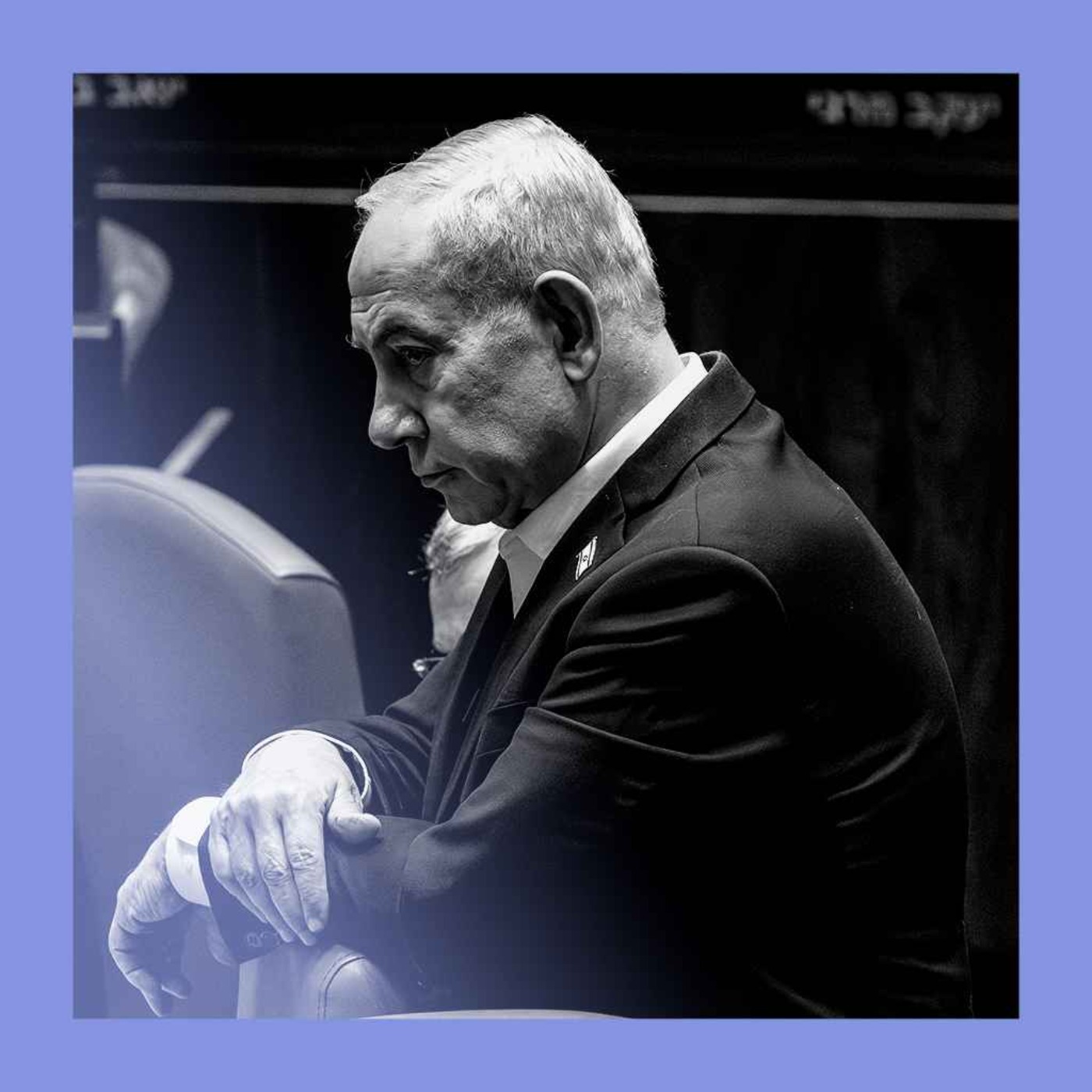
Yitzhak Rabin believed normalizing Arab relations required solving the Palestinian conflict. Benjamin Netanyahu's doctrine flipped this: use US military might to neutralize hostile Arab regimes, thereby bypassing the need to address Palestinian statehood at all, a core tenet of his political career.

The Israel-Palestine conflict has become a potent, single-issue driver in Democratic primaries, as demonstrated by incumbent Dan Goldman's unexpected loss. With 80% of Democrats disapproving of Israel's actions, a pro-Israel stance can now be a fatal liability in blue districts, overriding other progressive credentials.

With the main war against Iran ending on disadvantageous terms for Israel, Prime Minister Netanyahu is prolonging the conflict with Hezbollah in Lebanon. This allows him to project a "fighting spirit" to his electorate ahead of an election, turning a secondary front into a primary stage for political posturing.
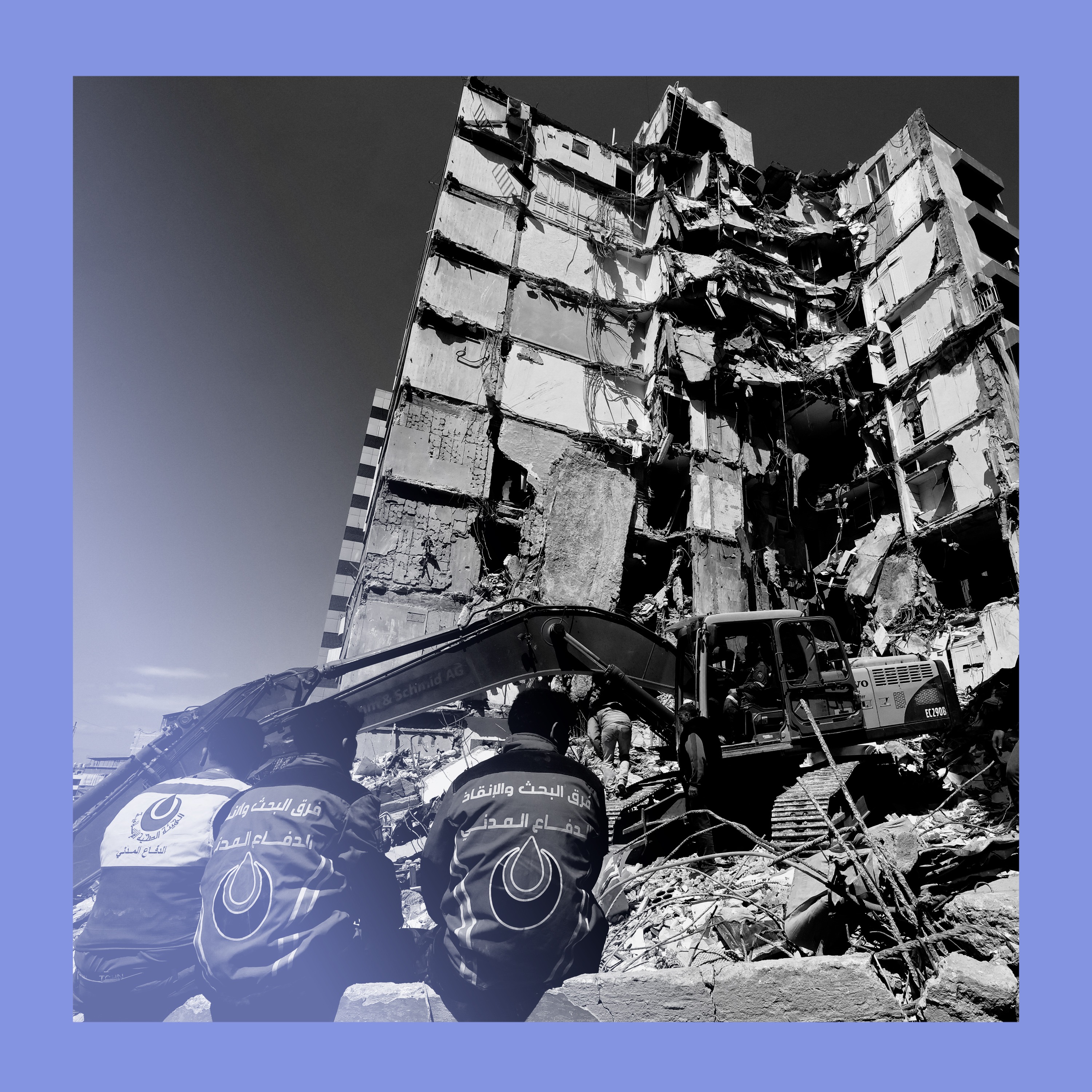
Rather than a peace deal, the Abraham Accords signaled to Palestinians that their cause was being permanently sidelined by the Arab world. This removal of hope for a future state, guest Dave Smith argues, created the desperation that set the stage for violent outbreaks like October 7.
Israeli PM Netanyahu's acceptance of the peace plan is a study in contradiction. While publicly endorsing the deal, he immediately rejected a key component: a role for the Palestinian Authority in post-war Gaza. This tactic creates 'wiggle room' and signals a lack of genuine buy-in, challenging the deal's future.
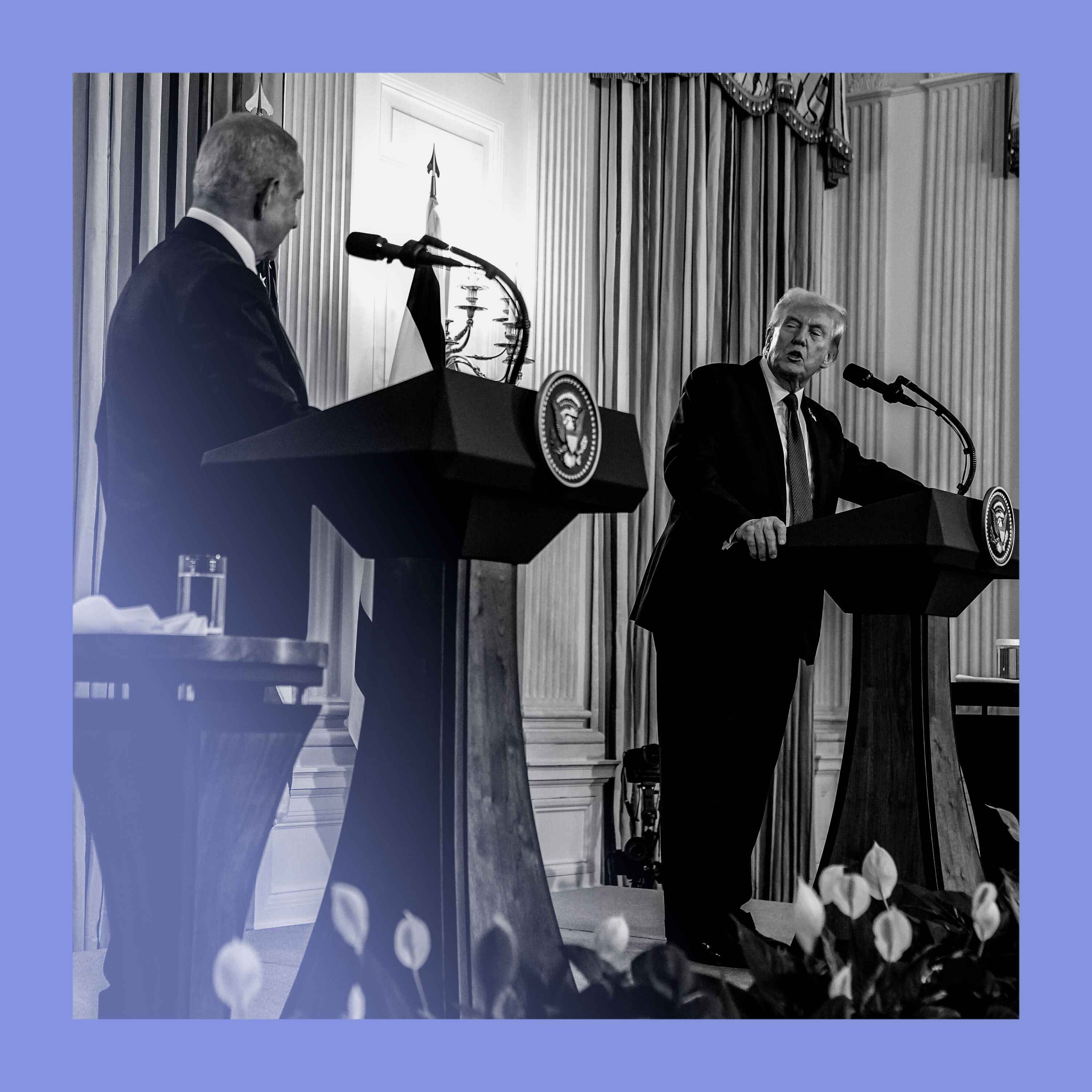
The key domestic issue polarizing Israeli voters is not the ongoing wars, but the long-standing military conscription exemption for the Haredi community. This controversial policy, affecting 90,000 individuals, has become a focal point for opposition parties, highlighting deep societal divisions over national burden-sharing.
Despite global scrutiny of Israel's actions in Gaza, the upcoming election campaign will be dominated by domestic demands for a reckoning over the intelligence and policy failures that led to the October 7th attack.
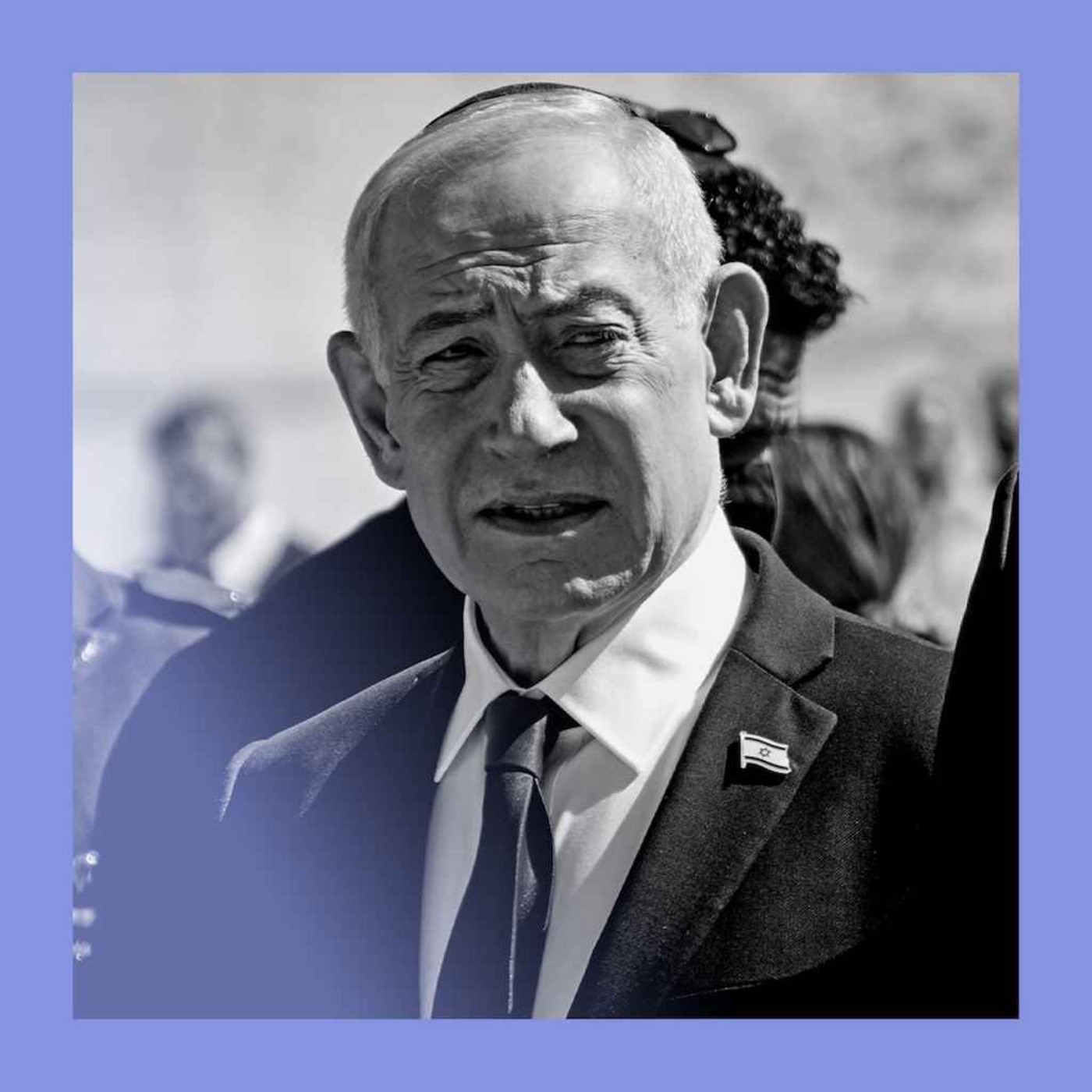
Polling suggests Israel's diverse opposition parties could secure a parliamentary majority. However, their deep ideological divisions make forming a stable governing coalition a significant challenge. This fragmentation creates a path for the politically skillful Netanyahu to retain power even after a numerical loss.
The Israel-Palestine conflict is often framed as a religious clash, but its root is the political reality of military occupation. The Palestinian response is a predictable human reaction to subjugation, similar to the Irish resisting the British, not a unique feature of their religion.
For Israeli PM Benjamin Netanyahu, an inconclusive end to the war with Iran would be a significant political blow. After claiming a "victory for generations" just eight months prior, another stalemate would undermine his credibility with the Israeli public ahead of an election, making a clear win essential.
