Get your free personalized podcast brief
We scan new podcasts and send you the top 5 insights daily.
By licensing Patriot missile blueprints to Ukraine, defense firms like Raytheon and Lockheed Martin gain pure-profit revenue from fees. However, this creates a major long-term risk. If the "top secret" DIY instructions leak, they could lose their valuable missile monopoly to other nations, illustrating a classic tension between immediate profits and protecting core intellectual property.

Related Insights
Mark Cuban warns that patenting work makes it public, allowing any AI model to train on it instantly. To maintain a competitive data advantage, he suggests companies should increasingly rely on trade secrets, keeping their valuable IP out of the public domain and away from competitors' models.

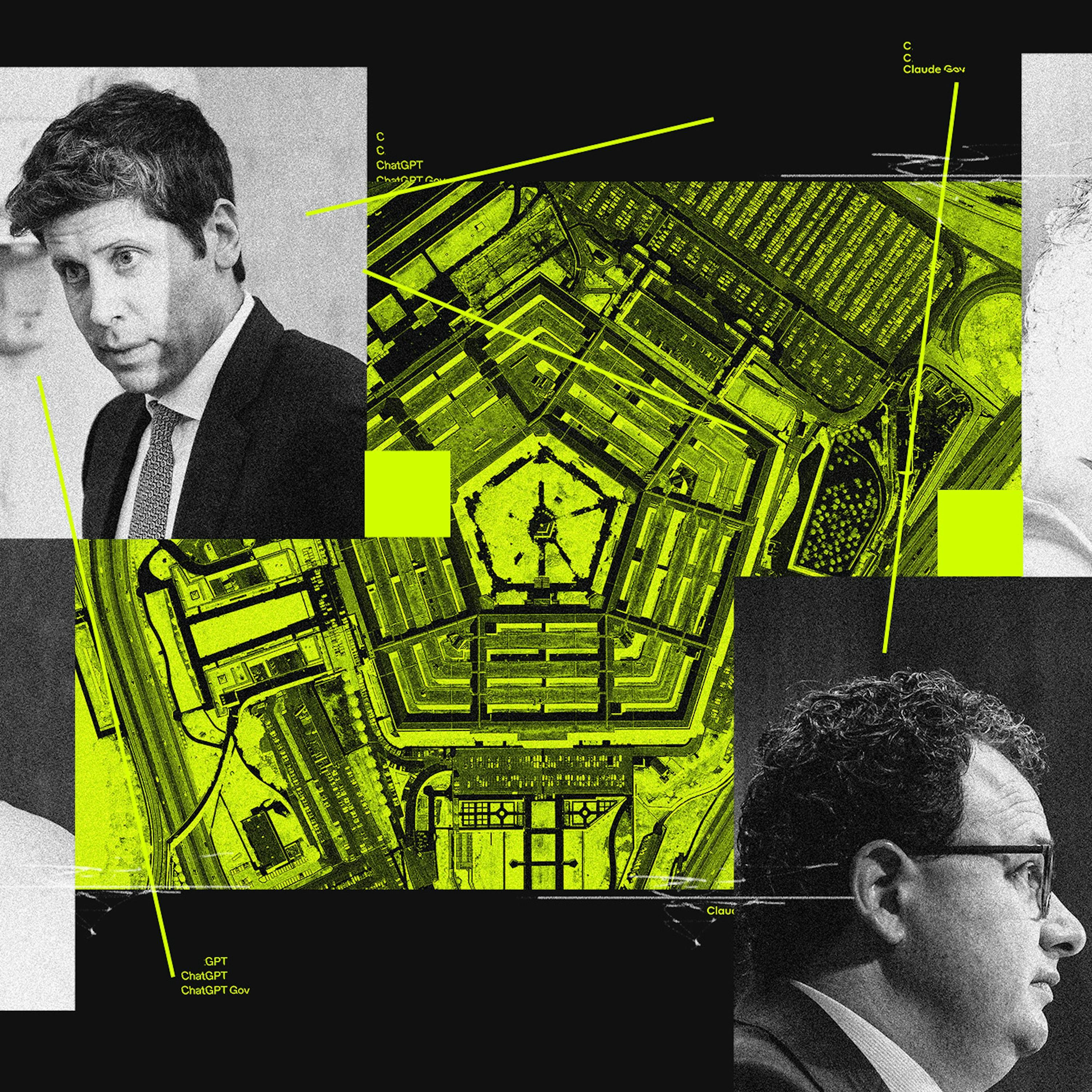
Leading AI companies, facing high operational costs and a lack of profitability, are turning to lucrative government and military contracts. This provides a stable revenue stream and de-risks their portfolios with government subsidies, despite previous ethical stances against military use.
For deep tech hardware firms like Cerebras, intellectual property protection goes beyond patents. Because patents require public disclosure, a more effective strategy involves a combination of trade secrets and segmenting the manufacturing process across different partners, preventing any single entity from understanding the complete design.
Lucrative civilian markets, not government deals, drive frontier tech. By making the defense side of a business a major political and legal liability, the Pentagon risks pushing top companies to completely shun government work, reversing a decades-long, successful dynamic for dual-use technology.

The problem with large defense contractors isn't the companies themselves but an acquisition system that awards contracts before a product is built. This shifts all development risk to the government. The solution is to force companies to invest their own risk capital first.

The choice between a patent and a trade secret is a strategic decision based on vulnerability. If a product can be purchased and deconstructed to reveal its innovation, a patent is the necessary path. Trade secrets are only viable for innovations that are impossible to discover through reverse engineering.

Holding a patent provides no inherent protection. Its value is only realized through active, and expensive, legal defense against infringers. Therefore, a startup's focus should be on building a profitable business first to generate the capital needed to enforce its IP.

Allowing US companies to sell high-end AI semiconductors to China provides only short-term revenue. The long-term result is that China reverse-engineers the technology, builds its own competing industry, and uses the advanced chips to modernize its military, creating both an economic and national security loss for the U.S.

The profit multiplier model, which licenses intellectual property, carries a significant risk of brand damage. When licensees release low-quality products, customers blame the original brand owner (e.g., Google for a bad Android phone), not the third-party manufacturer, tarnishing the core reputation.

The AI lobby's argument to ignore IP rights to outpace China is shortsighted. The US's global strength is built on robust IP protection. Eroding this standard domestically jeopardizes the ability to protect American innovations, like OpenAI's own models, abroad. Respecting IP is the long-term strategic play.
