Get your free personalized podcast brief
We scan new podcasts and send you the top 5 insights daily.
Despite producing over 250 drones daily, Neros uses manual assembly lines because their product isn't designed for automation yet. For rapidly evolving hardware, manual stations provide necessary flexibility. Introducing automation would require a significant product redesign, which is counterproductive during fast development cycles.

Related Insights
Grüns' innovative daily gummy packs couldn't be produced with existing machinery. Instead of abandoning the idea, the team manually assembled products for the first 6-8 months, proving market demand with brute force before investing in and developing automated infrastructure.

Neros deliberately chose a massive facility to avoid future moves and bring component manufacturing in-house. This long-term thinking prioritizes vertical integration and operational stability over the typical startup approach of leasing smaller spaces and moving frequently, which disrupts production and planning.
A core step in Elon Musk's scaling algorithm is to 'Automate Last.' Tesla discovered that automating a process before it's manually optimized is a recipe for disaster. The Model 3 production crisis was only solved when they abandoned the over-automated line and started building cars by hand in a tent.

Neros uses a dedicated New Product Introduction (NPI) line—larger than their previous facility's entire production line—to refine manufacturing processes for new products. This strategy allows them to resolve production challenges and stabilize processes before they are moved to the main line, preventing costly disruptions to scaled output.
American Housing Corp's first factory was built for flexibility to iterate on the product, not for automated efficiency. They believe automation is the final step, implemented only after a process is validated and de-risked manually. Trying to automate an unproven process is a common and costly mistake.

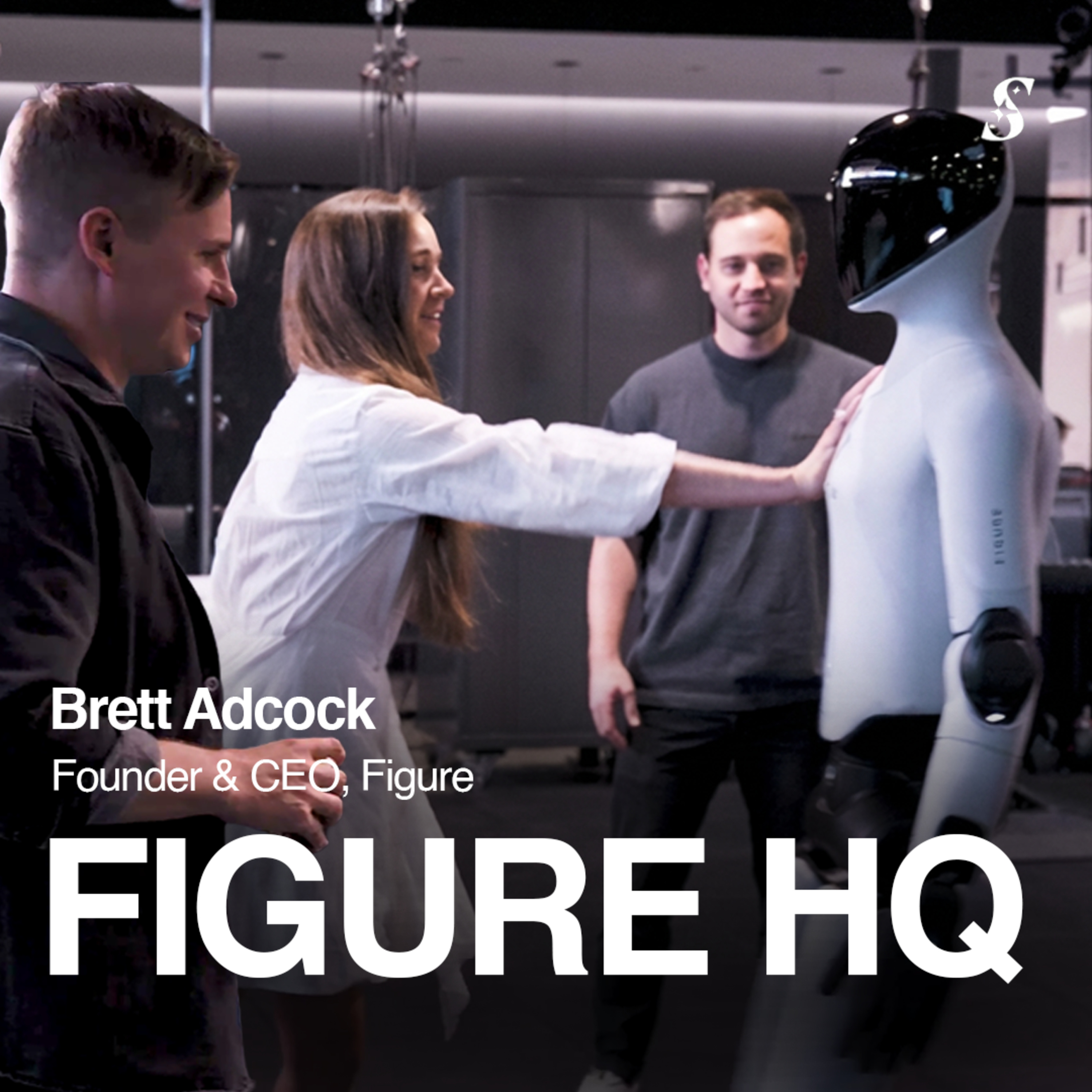
While IP protection is a concern, Figure's primary reason for in-house manufacturing is the product's immaturity. The novelty of humanoid robots requires extremely tight control and rapid feedback loops between design, testing, and production that would be impossible to achieve with a contract manufacturer.
Senra Systems is installing camera systems to gather data on manual assembly tasks today, even though the robotic dexterity to automate them doesn't exist yet. This strategy ensures they will have the proprietary dataset needed to train AI models and be first to automate when the technology matures.
Full automation in electronics manufacturing doesn't require robotics breakthroughs. The existing robots are sufficient. The challenge is designing circuit boards that are 100% compatible with current automation, eliminating the 20% of manual labor caused by non-standard components. AI can create these constrained, manufacturable designs.

Anduril prototypes drone frames by milling them from solid metal blocks. While extremely wasteful and expensive for mass production, this method bypasses the slow and costly process of creating molds for casting, drastically reducing latency during the critical iterative design phase and getting products to market faster.

The company’s assembly line isn't fully automated. They use robots for repetitive tasks but rely on humans for high-dexterity operations, like installing small screws, that are difficult and costly to automate. This pragmatic approach balances capital expenditure with operational flexibility.