Get your free personalized podcast brief
We scan new podcasts and send you the top 5 insights daily.
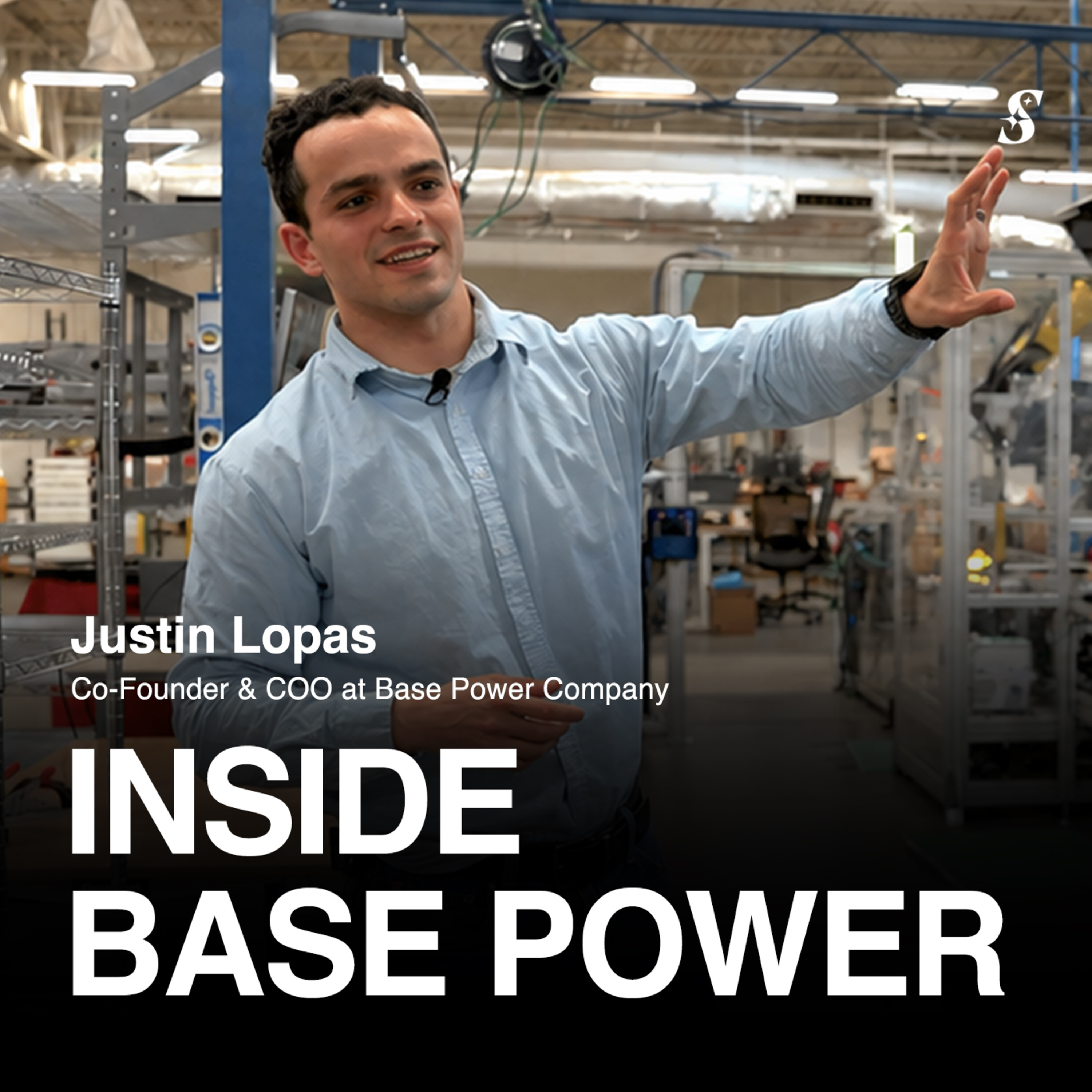
The company’s assembly line isn't fully automated. They use robots for repetitive tasks but rely on humans for high-dexterity operations, like installing small screws, that are difficult and costly to automate. This pragmatic approach balances capital expenditure with operational flexibility.
Related Insights
A core step in Elon Musk's scaling algorithm is to 'Automate Last.' Tesla discovered that automating a process before it's manually optimized is a recipe for disaster. The Model 3 production crisis was only solved when they abandoned the over-automated line and started building cars by hand in a tent.

A plastic injection molding plant facing night shift labor shortages automated its boxing process with long conveyors. This allowed them to run "lights out" for an entire shift, permanently solving the staffing issue, cutting costs, and even funding employee pay raises.

Just as early electricity merely replaced steam engines in old factory layouts, the first wave of robotics just swapped a human for a robot. The new frontier is redesigning the entire factory from scratch with the primary goal of maximizing robot utilization, a fundamental shift that unlocks massive productivity gains.

The true economic advantage of a humanoid robot is not outperforming specialized automation at a single, repetitive task. Instead, its value lies in its versatility—the ability to perform a wide range of tasks in environments designed for humans, justifying its form factor for multi-purpose workflows rather than hyper-optimized ones.

American Housing Corp's first factory was built for flexibility to iterate on the product, not for automated efficiency. They believe automation is the final step, implemented only after a process is validated and de-risked manually. Trying to automate an unproven process is a common and costly mistake.

The company bifurcates the installation process. A skilled electrician handles the complex wiring in 1-2 hours. Later, delivery drivers complete the physical, plug-and-play installation of the battery unit in under an hour, optimizing for skill level and cost.
The hype for humanoid robots in manufacturing is misplaced. Most factory tasks, like screwing a keyboard into a case, are best performed by dedicated robots designed for a single purpose. Advanced manufacturing already uses specialized automation, not human replacements.

TerraFirma's CEO argues that full (100%) autonomy in construction is not cost-effective due to diminishing returns and edge cases. The optimal economic point is around 75% autonomy, where one human operator can manage three to four machines. This achieves massive labor productivity gains without the exponential cost of solving the last 25% of automation.

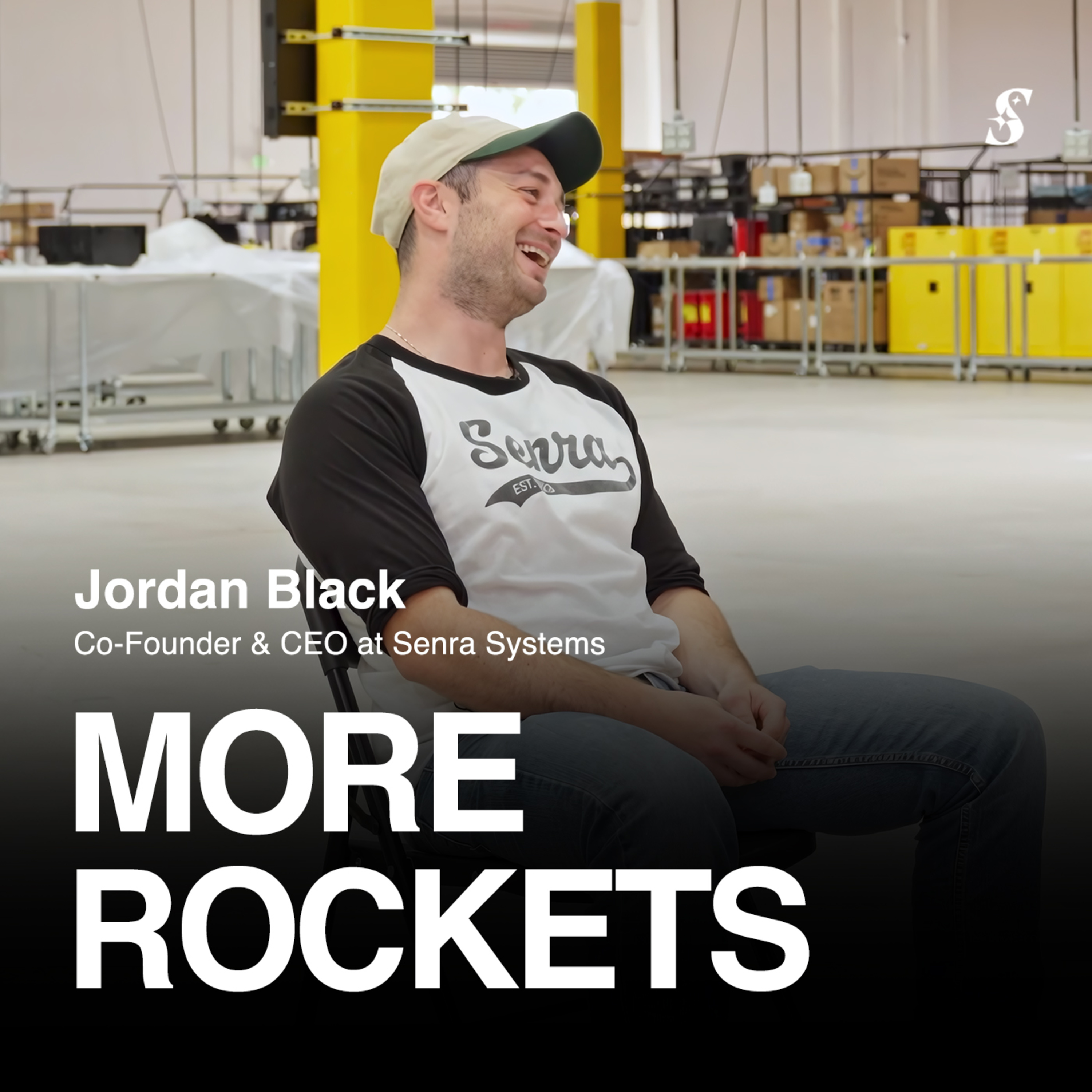
Senra Systems is installing camera systems to gather data on manual assembly tasks today, even though the robotic dexterity to automate them doesn't exist yet. This strategy ensures they will have the proprietary dataset needed to train AI models and be first to automate when the technology matures.
Instead of outsourcing, Base Power manufactures its batteries in-house in the US. This strategy gives them direct control over the production line, allowing for rapid hardware changes, reduced lead times, and lower costs compared to relying on contract manufacturers.