Get your free personalized podcast brief
We scan new podcasts and send you the top 5 insights daily.
The ease of generating AI summaries is creating low-quality 'slop.' This imposes a hidden productivity cost, as collaborators must waste time clarifying ambiguous or incorrect AI-generated points, derailing work and leading to lengthy, unnecessary corrections.

Related Insights
The problem with bad AI-generated work ('slop') isn't just poor writing. It's that subtle inaccuracies or context loss can derail meetings and create long, energy-wasting debates. This cognitive overload makes it difficult for teams to sense-make and ultimately costs more in human time than it saves.
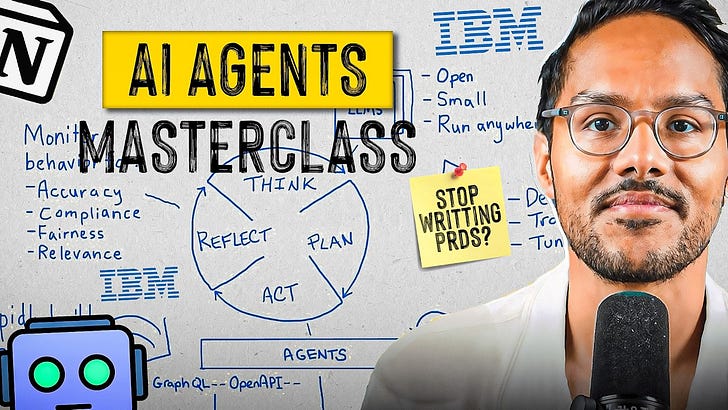
While AI tools once gave creators an edge, they now risk producing democratized, undifferentiated output. IBM's AI VP, who grew to 200k followers, now uses AI less. The new edge is spending more time on unique human thinking and using AI only for initial ideation, not final writing.
Using AI to generate content without adding human context simply transfers the intellectual effort to the recipient. This creates rework, confusion, and can damage professional relationships, explaining the low ROI seen in many AI initiatives.

The creative process with AI involves exploring many options, most of which are imperfect. This makes the collaboration a version control problem. Users need tools to easily branch, suggest, review, and merge ideas, much like developers use Git, to manage the AI's prolific but often flawed output.

The true danger of LLMs in the workplace isn't just sloppy output, but the erosion of deep thinking. The arduous process of writing forces structured, first-principles reasoning. By making it easy to generate plausible text from bullet points, LLMs allow users to bypass this critical thinking process, leading to shallower insights.

Research highlights "work slop": AI output that appears polished but lacks human context. This forces coworkers to spend significant time fixing it, effectively offloading cognitive labor and damaging perceptions of the sender's capability and trustworthiness.
Advanced AI tools like "deep research" models can produce vast amounts of information, like 30-page reports, in minutes. This creates a new productivity paradox: the AI's output capacity far exceeds a human's finite ability to verify sources, apply critical thought, and transform the raw output into authentic, usable insights.
Companies racing to add AI features while ignoring core product principles—like solving a real problem for a defined market—are creating a wave of failed products, dubbed "AI slop" by product coach Teresa Torres.
AI tools can generate vast amounts of verbose code on command, making metrics like 'lines of code' easily gameable and meaningless for measuring true engineering productivity. This practice introduces complexity and technical debt rather than indicating progress.

As AI generates more code, the core engineering task evolves from writing to reviewing. Developers will spend significantly more time evaluating AI-generated code for correctness, style, and reliability, fundamentally changing daily workflows and skill requirements.