Get your free personalized podcast brief
We scan new podcasts and send you the top 5 insights daily.
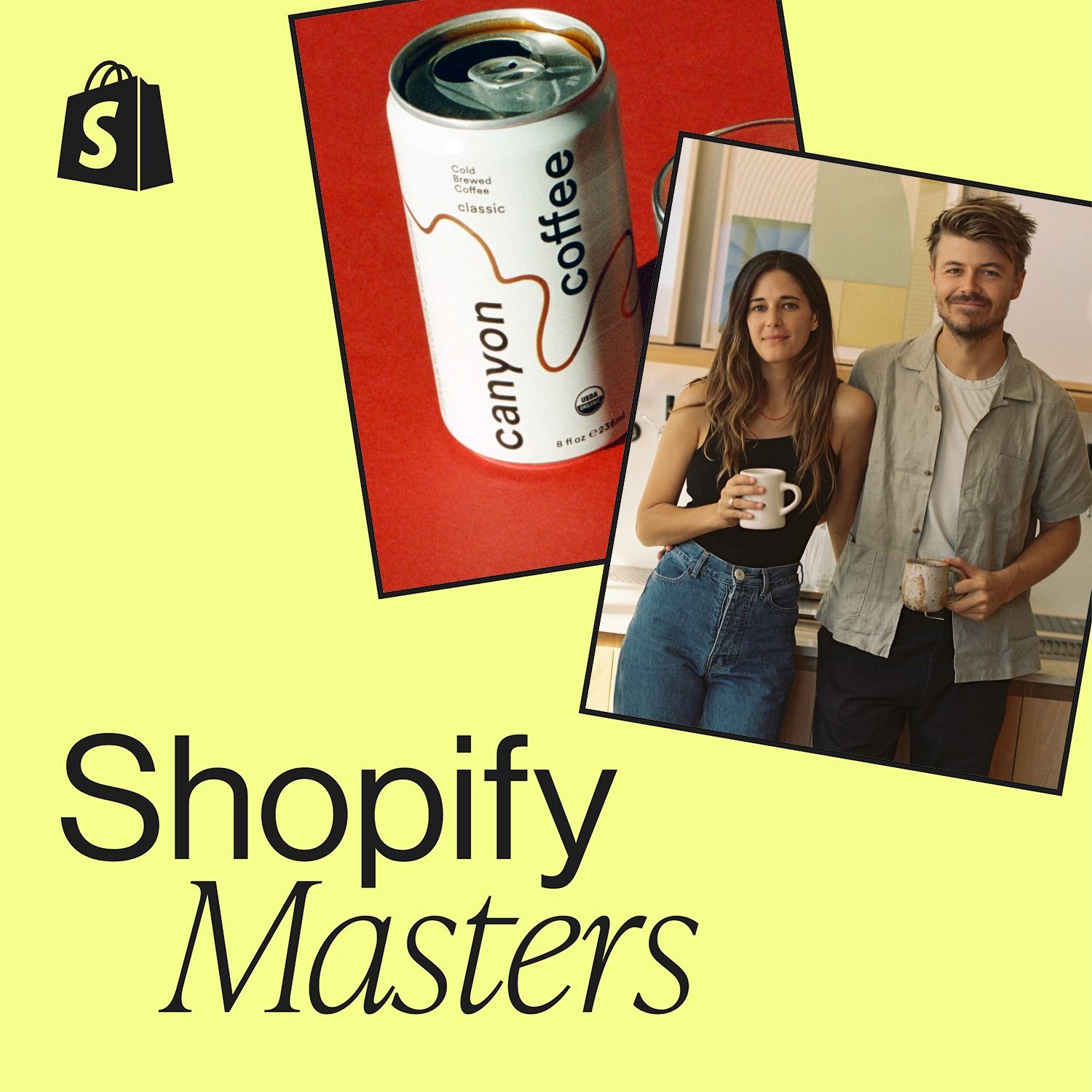
To bypass saturated coffee shop wholesale channels, the founders targeted boutique lifestyle stores. Their design-forward packaging stood out next to ceramics and books, creating a new, untapped market for specialty coffee in non-traditional retail environments.
Related Insights
Large companies often focus R&D on high-ticket items, neglecting smaller accessory categories. This creates a market gap for focused startups to innovate and solve specific problems that bigger players overlook, allowing them to build a defensible niche.
Despite beverages being a category people rarely buy online, Breeze generated tens of millions in DTC sales. This built a huge base of customers who preferred to buy in-store, creating a powerful demand flywheel. When Breeze launched in retail, it sold four months of inventory in two weeks.

The founders reversed the typical coffee business model by starting with e-commerce, not a cafe, to maintain the flexibility to travel. This decision shaped their brand identity, leading them to create travel guides that became a key tool for building their email list.
Alave made a bold packaging decision: making the product type (“Protein Brownie”) the main focus, not the brand logo. They gambled that in the split-second a customer looks at a shelf, clearly communicating *what* the product is proves more effective for a new brand than establishing *who* they are. The strategy crushed.
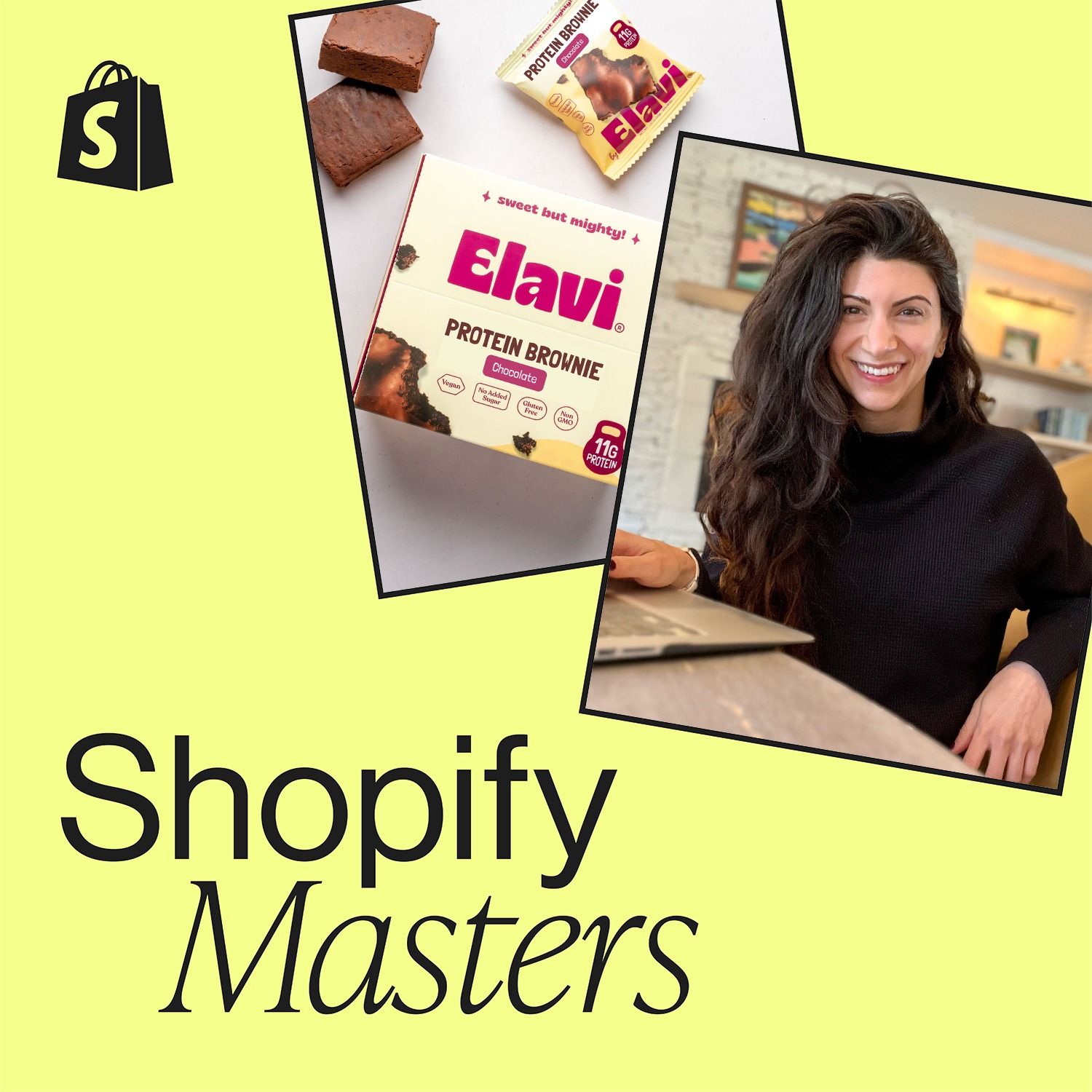
Jane Wurwand advises a premium food startup to avoid large supermarkets early on. Big chains demand high volume and have long payment cycles that can crush a new business. Instead, focus on small, high-end local grocers where the brand story can shine and payment terms are more manageable.

The founders leveraged non-business backgrounds as an advantage. Modeling experience drove the brand's aesthetic vision, while a history in music and community organizing taught them how to build a passionate team and following without significant financial resources.
Instead of fighting for shelf space in traditional retail (a 'red ocean'), identify and create new, unconventional distribution points like hotels, airlines, or golf courses. This 'blue ocean' strategy builds a brand moat with less competition by reimagining where a product can live.

The founders are extremely selective, rejecting most potential partnerships and opportunities. This discipline ensures every decision aligns with their long-term vision and values, preventing brand dilution and allowing them to grow in a way that feels organic and intentional.
The founder realized her premium honey sold better in gift and souvenir shops where brand story matters more than price. This was more profitable and a better brand fit than traditional grocery stores with their high margins and unfavorable terms.
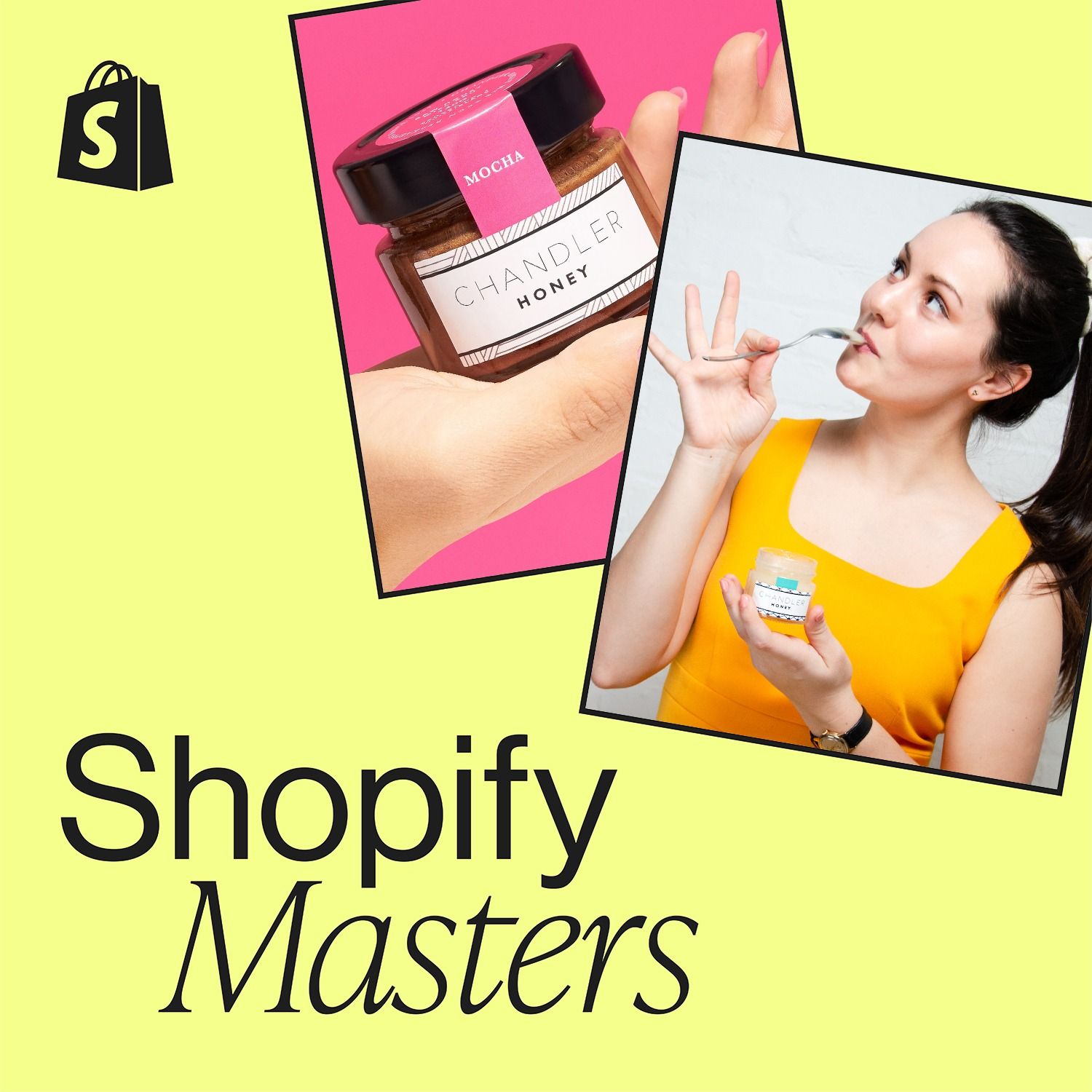
Placing products in non-traditional venues like hotels or airports serves as a powerful discovery and sampling mechanism. This builds brand familiarity and trial, creating a flywheel effect where customers later recognize and purchase the product in traditional retail stores, boosting sales.