Get your free personalized podcast brief
We scan new podcasts and send you the top 5 insights daily.
The founder realized her premium honey sold better in gift and souvenir shops where brand story matters more than price. This was more profitable and a better brand fit than traditional grocery stores with their high margins and unfavorable terms.

Related Insights
Contrary to common belief for online-native brands, Peak Design's own retail stores have the highest contribution margin. This is because shipping products in bulk freight to stores is cheaper than covering the high last-mile delivery costs for individual e-commerce orders, which often qualify for free shipping.
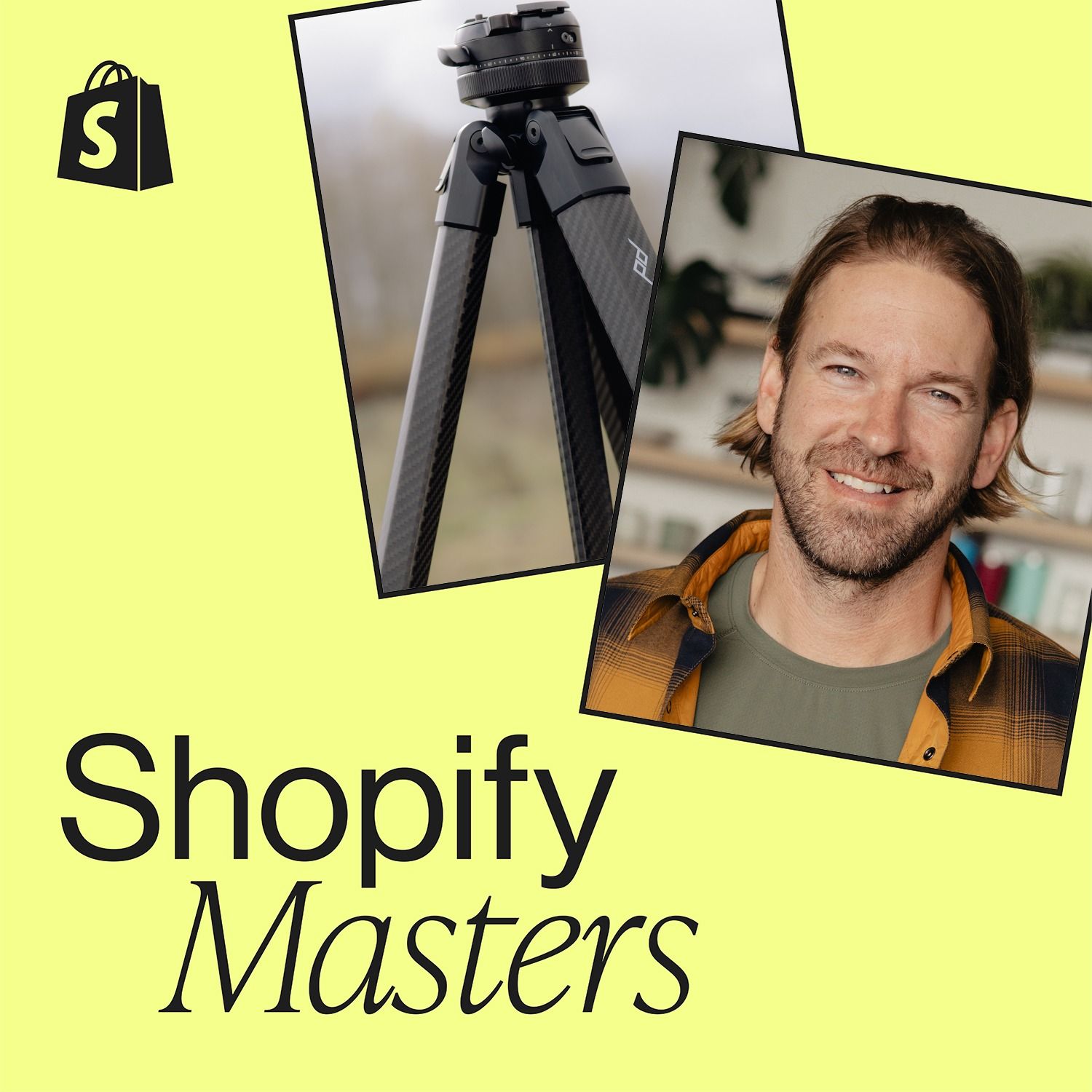
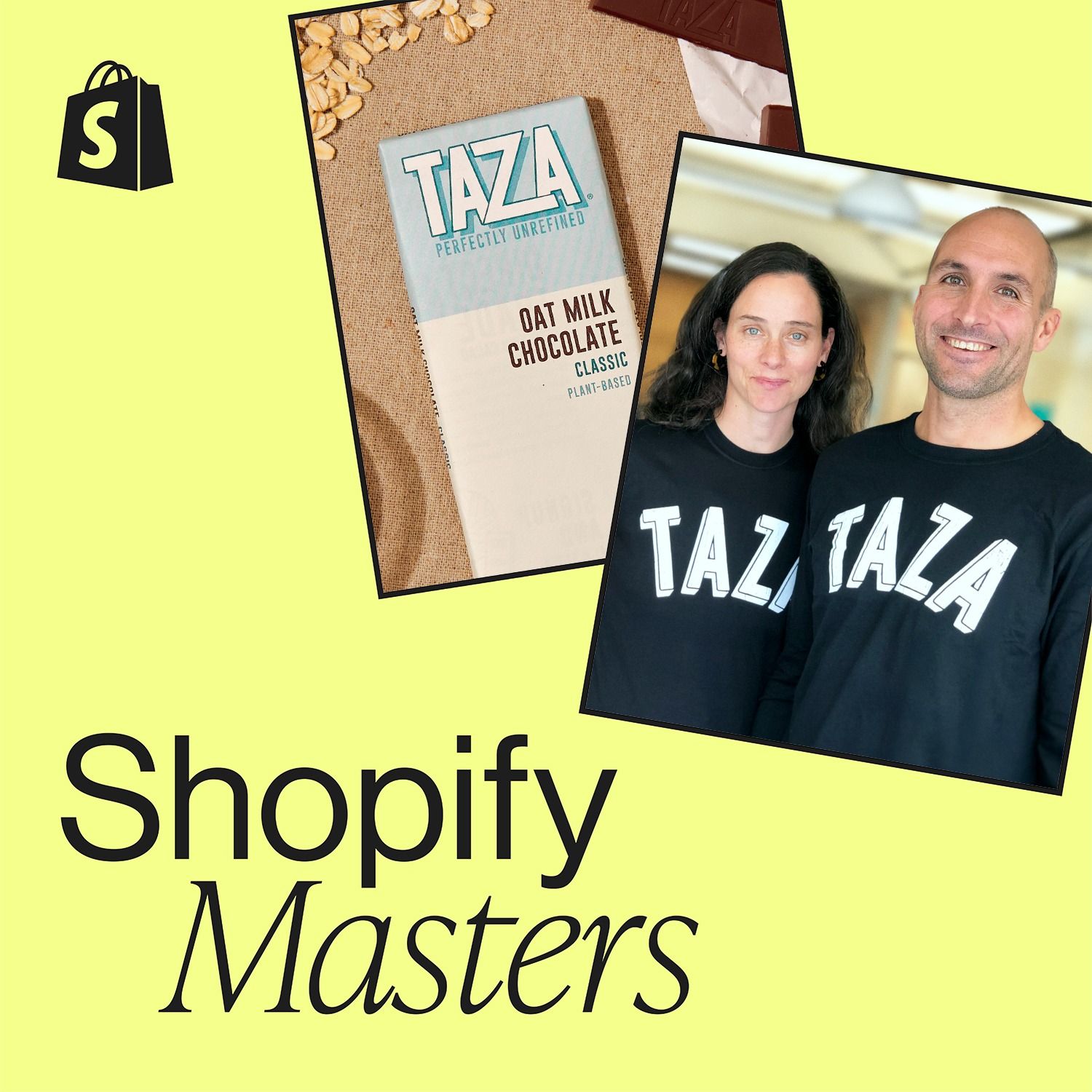
In a market dominated by corporations, Taza found a defensible niche by making a "polarizing" stone-ground chocolate. This strategy of appealing intensely to a core group, rather than pleasing the mass market, was key to their survival and success as a small business.
The founder leveraged her certified production space to create honey for other brands. This “white labeling” service, born from custom corporate orders, provides a consistent, secondary revenue stream to cover fixed costs like rent, de-risking her primary business.
Despite the prestige, the company scaled back partnerships with major retailers like Nordstrom. When the stores began demanding greater margin cuts and costly program participation, the relationship no longer felt like a true partnership, and the brand chose to protect its profitability and well-being.
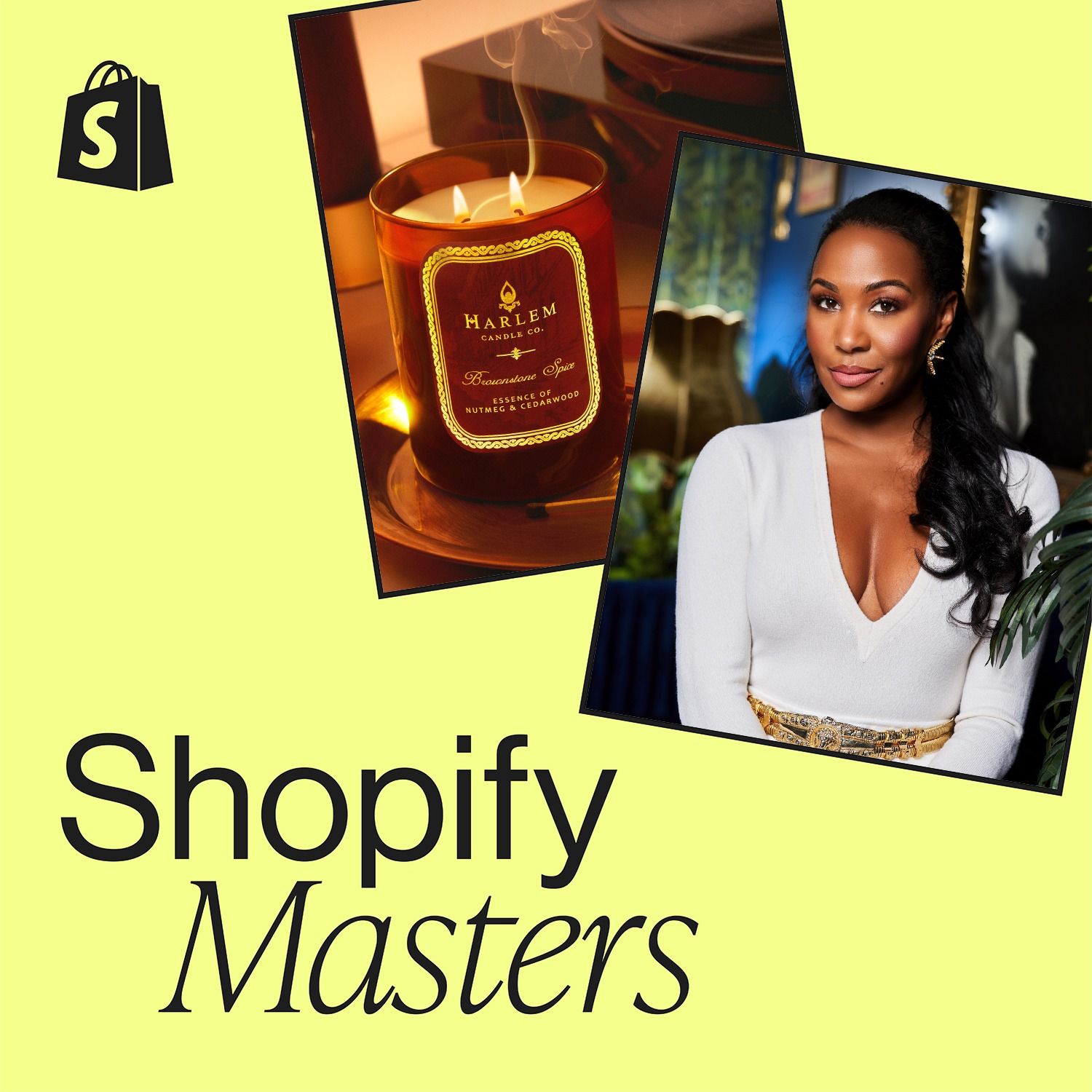
To stand out in the saturated candle market, founder Terry Johnson drew from her personal passion for the Harlem Renaissance, inspired by her time studying in Paris. This authentic connection to a specific cultural history gave the brand a unique “soul” that resonated deeply with customers.
Jane Wurwand advises a premium food startup to avoid large supermarkets early on. Big chains demand high volume and have long payment cycles that can crush a new business. Instead, focus on small, high-end local grocers where the brand story can shine and payment terms are more manageable.

Taza's attempts to go mass-market with lower prices or "fun flavors" failed. They found success by listening to their core customers who wanted intense cacao flavor. Their #1 selling product, a 95% dark bar, proved the value of doubling down on their super-niche identity.
Ridge Wallet succeeded in a crowded market not just by innovating on product, but by framing it as the ideal gift for men. This strategy circumvents typical purchase friction and taps into seasonal buying behavior, solving the “what to buy?” problem for consumers.

For premium brands like Coterie, the choice of retail partner is a branding decision. A retailer's reputation for quality reinforces the product's own values, while a poor retail environment like a messy shelf can actively dilute brand equity.

Placing products in non-traditional venues like hotels or airports serves as a powerful discovery and sampling mechanism. This builds brand familiarity and trial, creating a flywheel effect where customers later recognize and purchase the product in traditional retail stores, boosting sales.
