Get your free personalized podcast brief
We scan new podcasts and send you the top 5 insights daily.
The founders leveraged non-business backgrounds as an advantage. Modeling experience drove the brand's aesthetic vision, while a history in music and community organizing taught them how to build a passionate team and following without significant financial resources.
Related Insights
To maintain cultural relevance, True Religion's CMO builds a diverse marketing team by hiring people from outside traditional corporate structures, such as the music industry. This ensures the team is genuinely tapped into emerging trends, a practice reinforced by weekly "tea time" meetings to share cultural observations.
The founders started with only $5k in savings and a $10k credit card. By focusing on being profitable from day one and avoiding debt for salaries, they organically grew their CPG brand to over a million dollars in revenue in four years without any external funding.
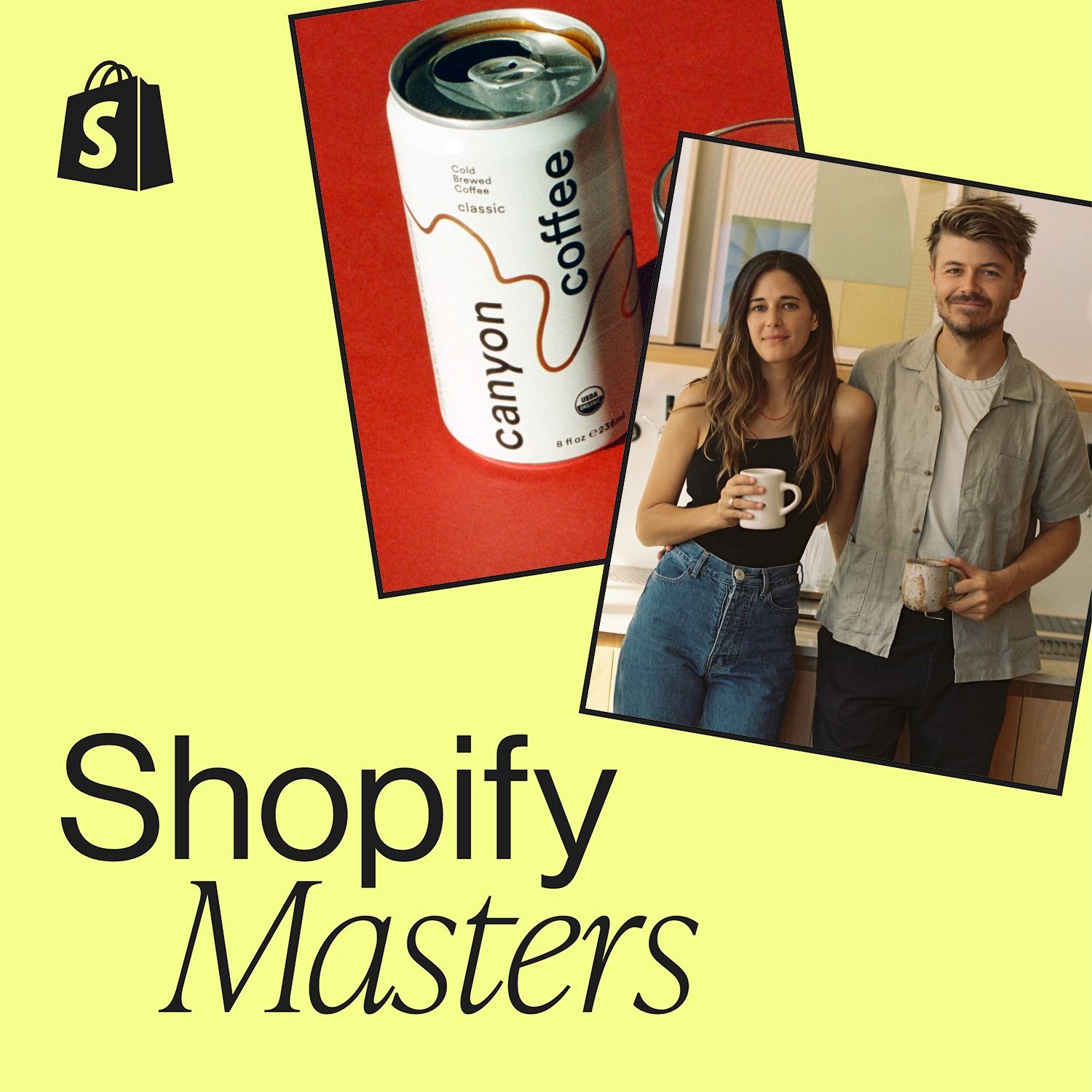
The founders reversed the typical coffee business model by starting with e-commerce, not a cafe, to maintain the flexibility to travel. This decision shaped their brand identity, leading them to create travel guides that became a key tool for building their email list.
Instead of focusing on transactional metrics, Canyon Coffee's core mission is to "add warmth." This value informs all business aspects, from customer service emails and cafe interactions to internal team culture, creating a powerful, human-centric brand identity.
Contrary to stereotypes, the best creative leaders possess a strong understanding of business mechanics. They use this knowledge not just for operational success, but as a crucial tool to protect their creative vision and build a robust, defensible enterprise.

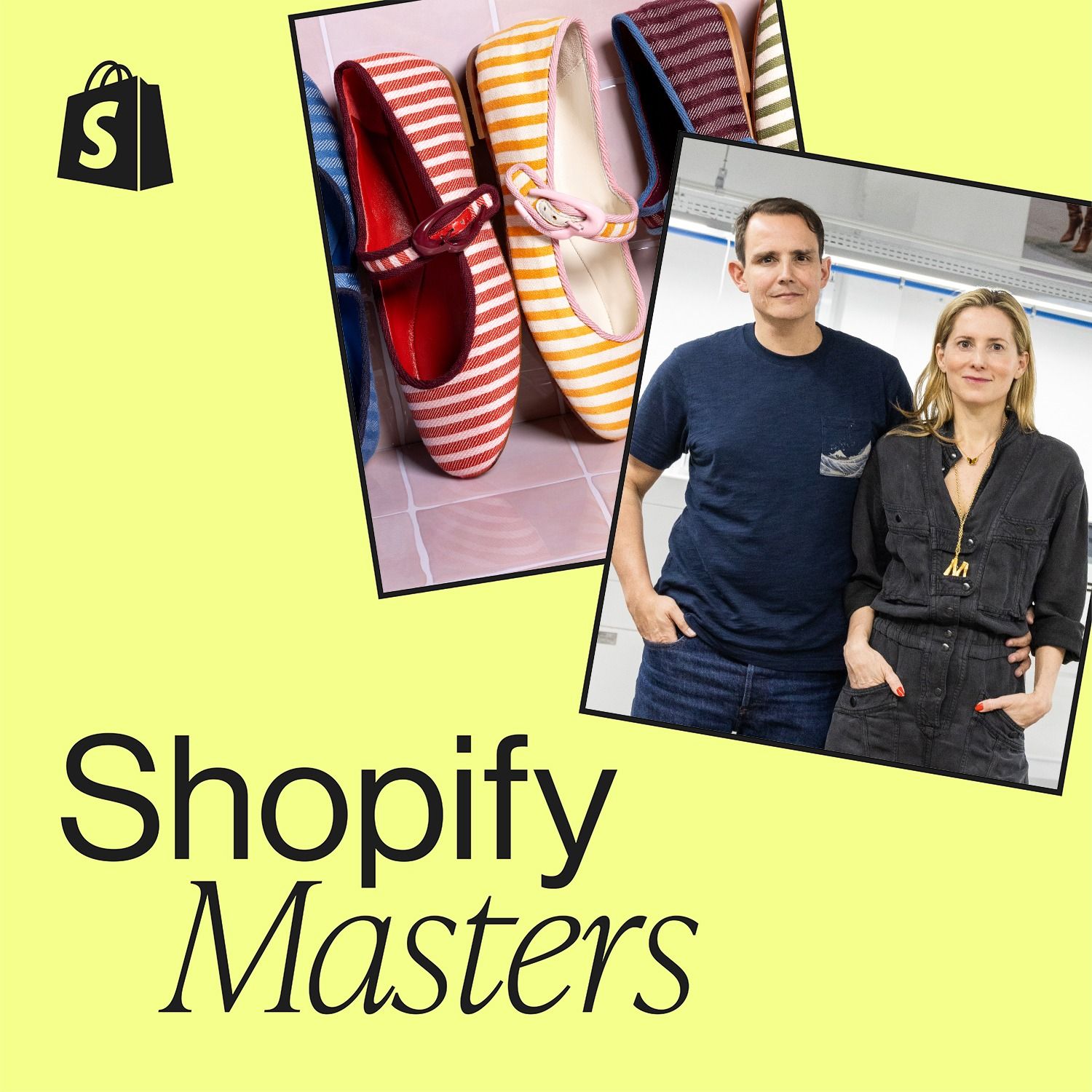
Larroudé's co-founders identify their dual Brazilian-American citizenship as a key "lucky" advantage. This allowed them to understand the US consumer market while expertly navigating Brazil's massive footwear manufacturing industry. Founders should seek opportunities where their personal history provides an edge no competitor can replicate.
The founders, not being PhD AI researchers, knew they couldn't rely on being acqui-hired by a tech giant. This perceived weakness became a strength, forcing them to relentlessly focus on finding customers and building a sustainable business from day one, unlike many research-led AI startups of that era.

The founders are extremely selective, rejecting most potential partnerships and opportunities. This discipline ensures every decision aligns with their long-term vision and values, preventing brand dilution and allowing them to grow in a way that feels organic and intentional.
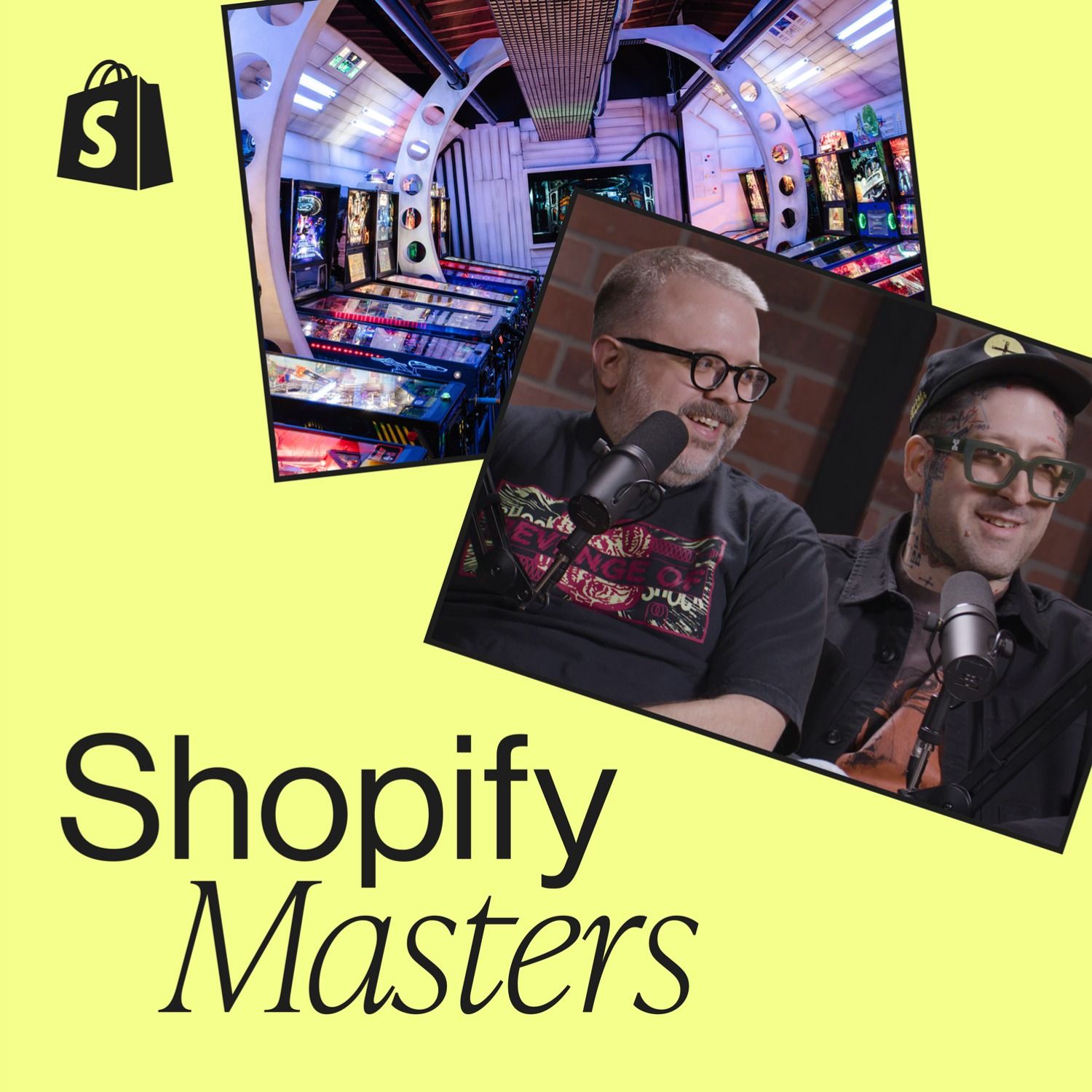
The business grew quickly because its three co-founders each brought a distinct, essential skill: creative design, business management, and deep product knowledge (fandom). This division of labor allowed them to scale the company while still working their other full-time jobs, with each founder's expertise complementing the others.
To bypass saturated coffee shop wholesale channels, the founders targeted boutique lifestyle stores. Their design-forward packaging stood out next to ceramics and books, creating a new, untapped market for specialty coffee in non-traditional retail environments.