Get your free personalized podcast brief
We scan new podcasts and send you the top 5 insights daily.
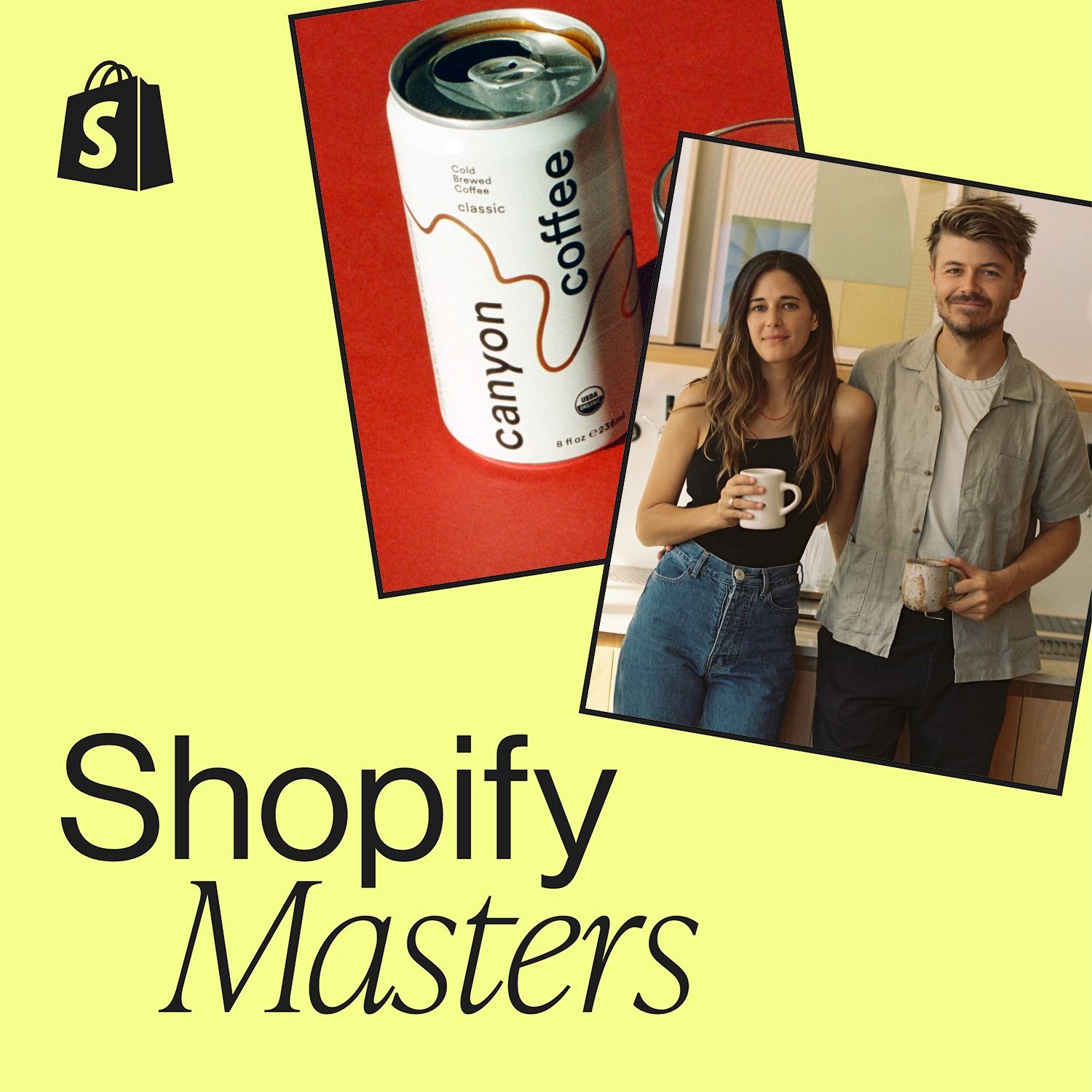
The founders reversed the typical coffee business model by starting with e-commerce, not a cafe, to maintain the flexibility to travel. This decision shaped their brand identity, leading them to create travel guides that became a key tool for building their email list.
Related Insights
Founder Ty Haney deliberately moved the company from NYC to Austin, Texas. The strategy was to escape traditional fashion hubs and create a unique environment that could become one with the brand's identity, similar to how Nike is synonymous with its home in Oregon.

The founders started with only $5k in savings and a $10k credit card. By focusing on being profitable from day one and avoiding debt for salaries, they organically grew their CPG brand to over a million dollars in revenue in four years without any external funding.
Instead of focusing on transactional metrics, Canyon Coffee's core mission is to "add warmth." This value informs all business aspects, from customer service emails and cafe interactions to internal team culture, creating a powerful, human-centric brand identity.
The founders delayed institutional funding to protect their long-term brand strategy. This freedom allowed them to avoid paid ads, which a VC might have demanded for quick growth, and instead focus on building a more powerful and sustainable word-of-mouth engine first.
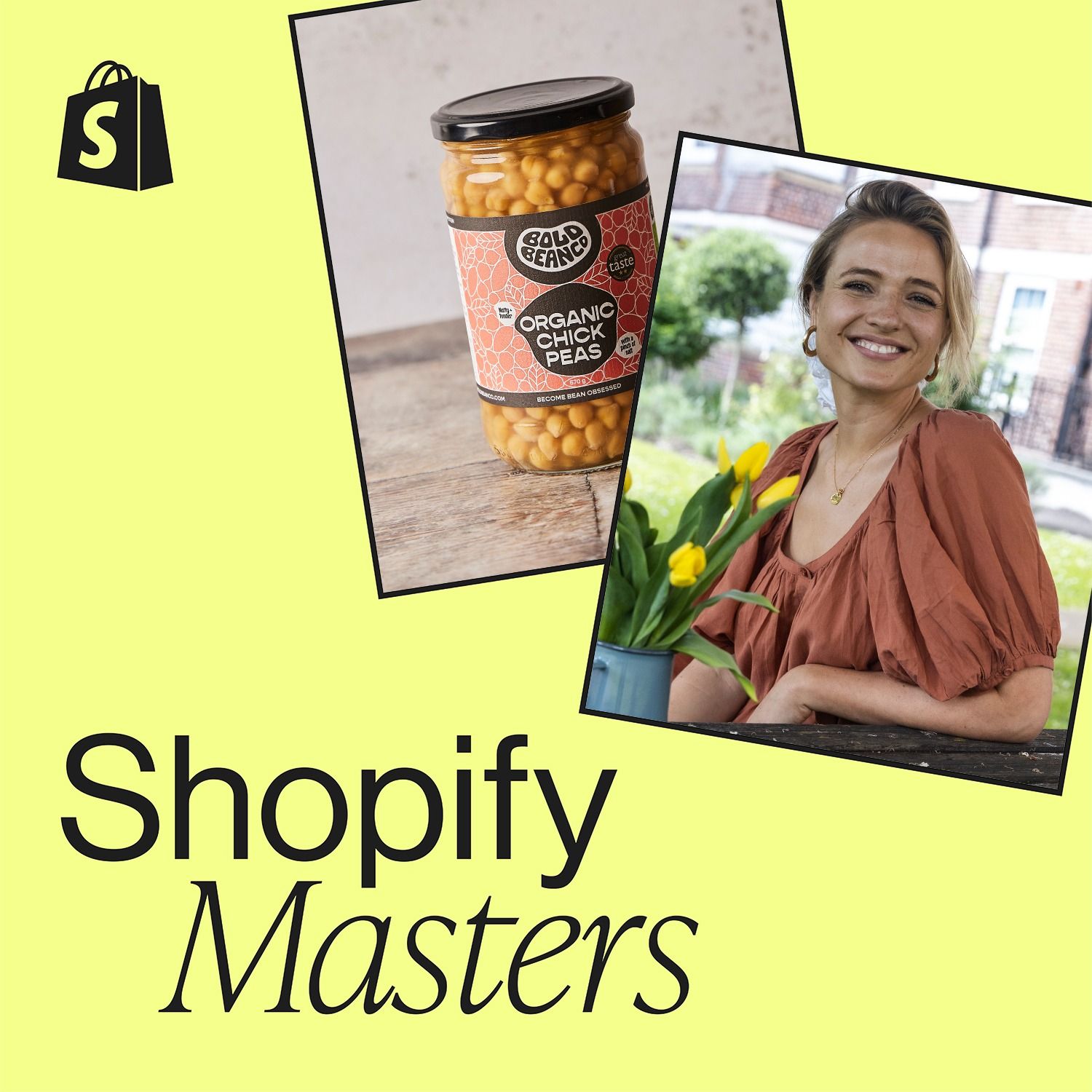
Instead of leading with a product, founder Lanny Smith focused on building a community around Actively Black's mission of Black ownership and representation. This generated a massive, engaged audience ready to buy on day one, reverse-engineering the typical product-first launch strategy.
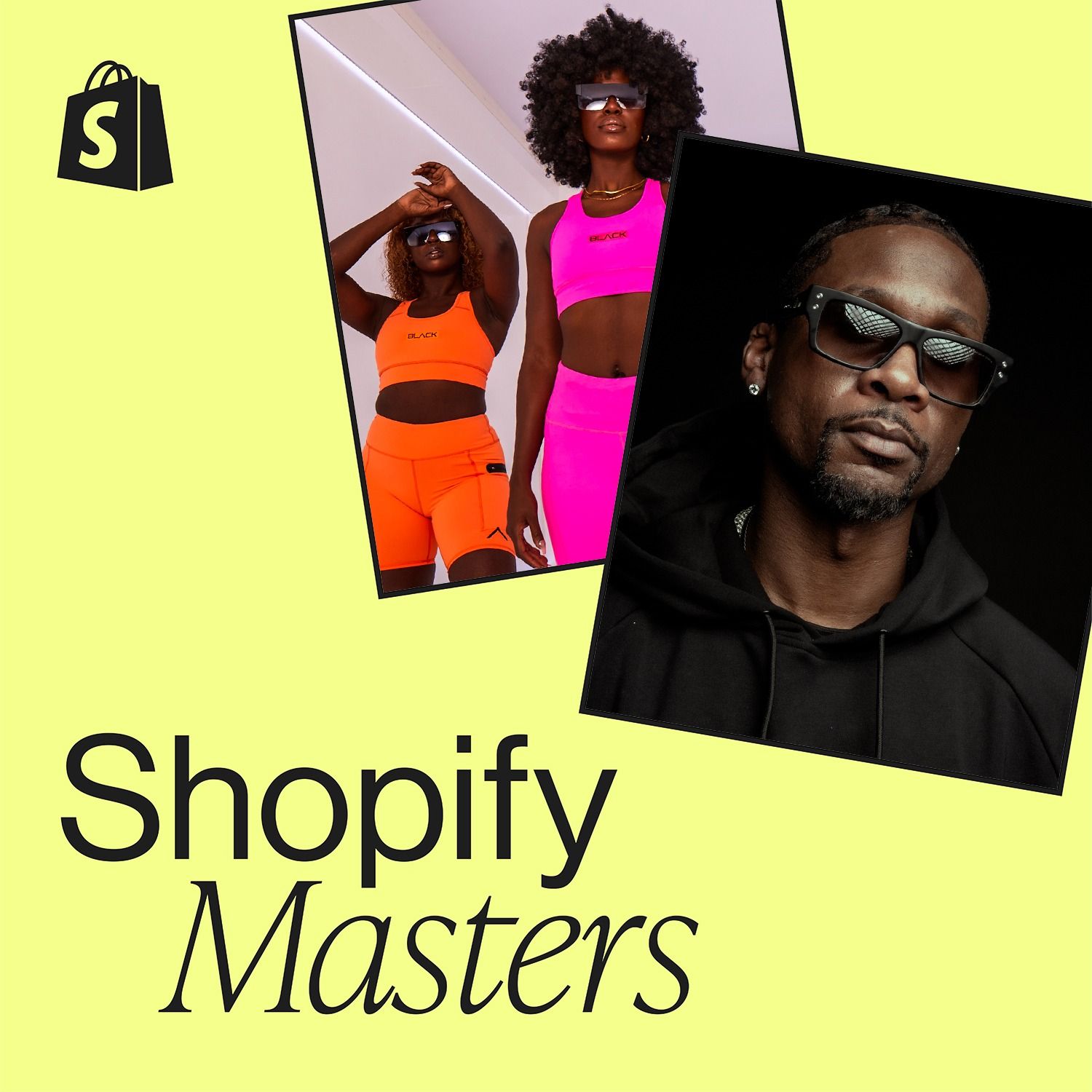
The founders leveraged non-business backgrounds as an advantage. Modeling experience drove the brand's aesthetic vision, while a history in music and community organizing taught them how to build a passionate team and following without significant financial resources.
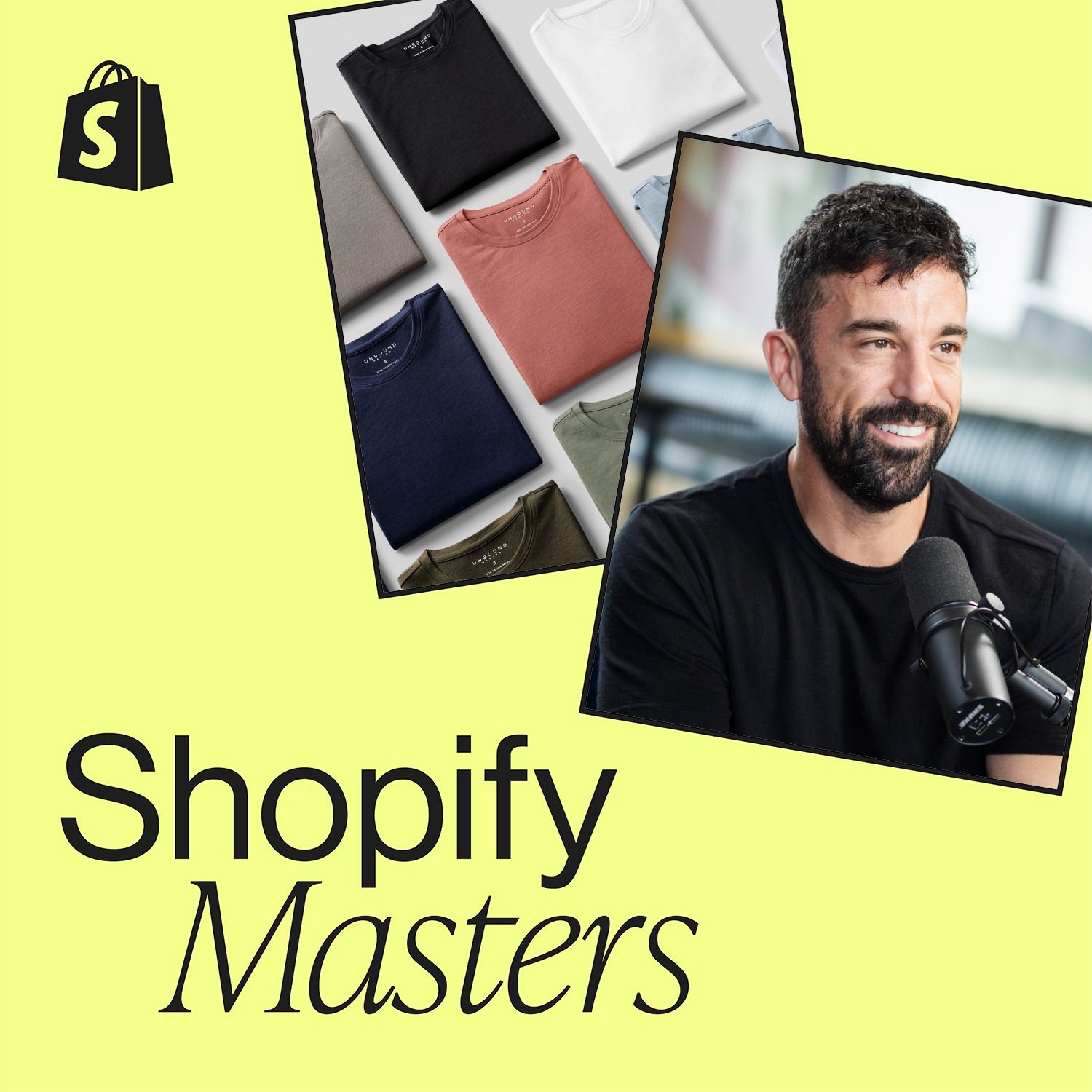
Unbound Merino's founder was driven by frustration with his service agency, where revenue was tied to his personal sales efforts. This pain motivated him to find an e-commerce model where the business could generate sales 24/7, even while he slept.
The founders are extremely selective, rejecting most potential partnerships and opportunities. This discipline ensures every decision aligns with their long-term vision and values, preventing brand dilution and allowing them to grow in a way that feels organic and intentional.
To bypass saturated coffee shop wholesale channels, the founders targeted boutique lifestyle stores. Their design-forward packaging stood out next to ceramics and books, creating a new, untapped market for specialty coffee in non-traditional retail environments.
LoveSack operated successfully for years based on product instinct alone. However, transformational growth occurred only after the company intentionally defined its core brand philosophy—'Designed for Life'—and then amplified that clear message with advertising. This shows that a well-defined brand story is a powerful, distinct growth lever, separate from initial product-market fit.