Get your free personalized podcast brief
We scan new podcasts and send you the top 5 insights daily.
Just as sales reps require training, AI agents need a consistent foundation of knowledge. This new concept of "agent enablement" involves feeding them curated data from calls, CRM, and playbooks to ensure their outputs are accurate and aligned with company strategy.

Related Insights
Don't expect an AI agent to invent a successful sales process. First, have your human team identify and document what works—effective emails, scripts, and objection handling. Then, train the AI on this proven playbook to execute it flawlessly and at scale. The AI is a scaling tool, not a strategist from day one.
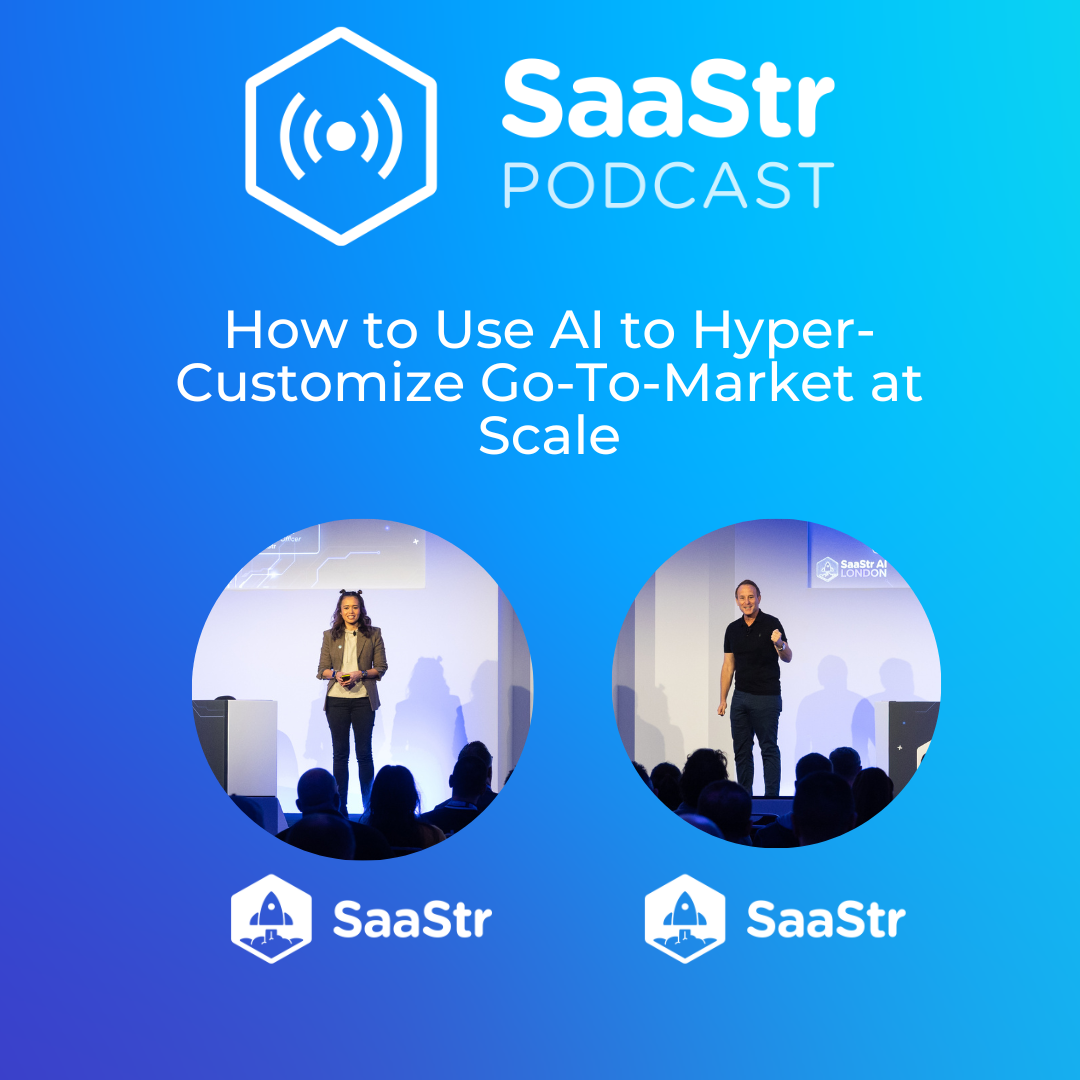
AI won't magically fix a broken strategy. The key is to identify what already works—your best emails, responses, and processes—and use that proven data to train the agent. This approach scales your known successes rather than hoping AI will invent a winning formula from scratch.

Treat your first AI agent like a new employee. Avoid giving it zero context or overwhelming it with a data dump. Instead, provide a focused briefing on who you are, what the specific job is, and point it to key resources. This onboarding process yields far better results than either extreme.

Don't just "turn on" an AI sales agent and expect results. The only path to success is to first identify what works with your human reps—the scripts, the process, the data. Then, you must manually train the AI on that proven playbook, iterating and refining its performance daily for at least a month. The AI automates success; it doesn't create it from scratch.
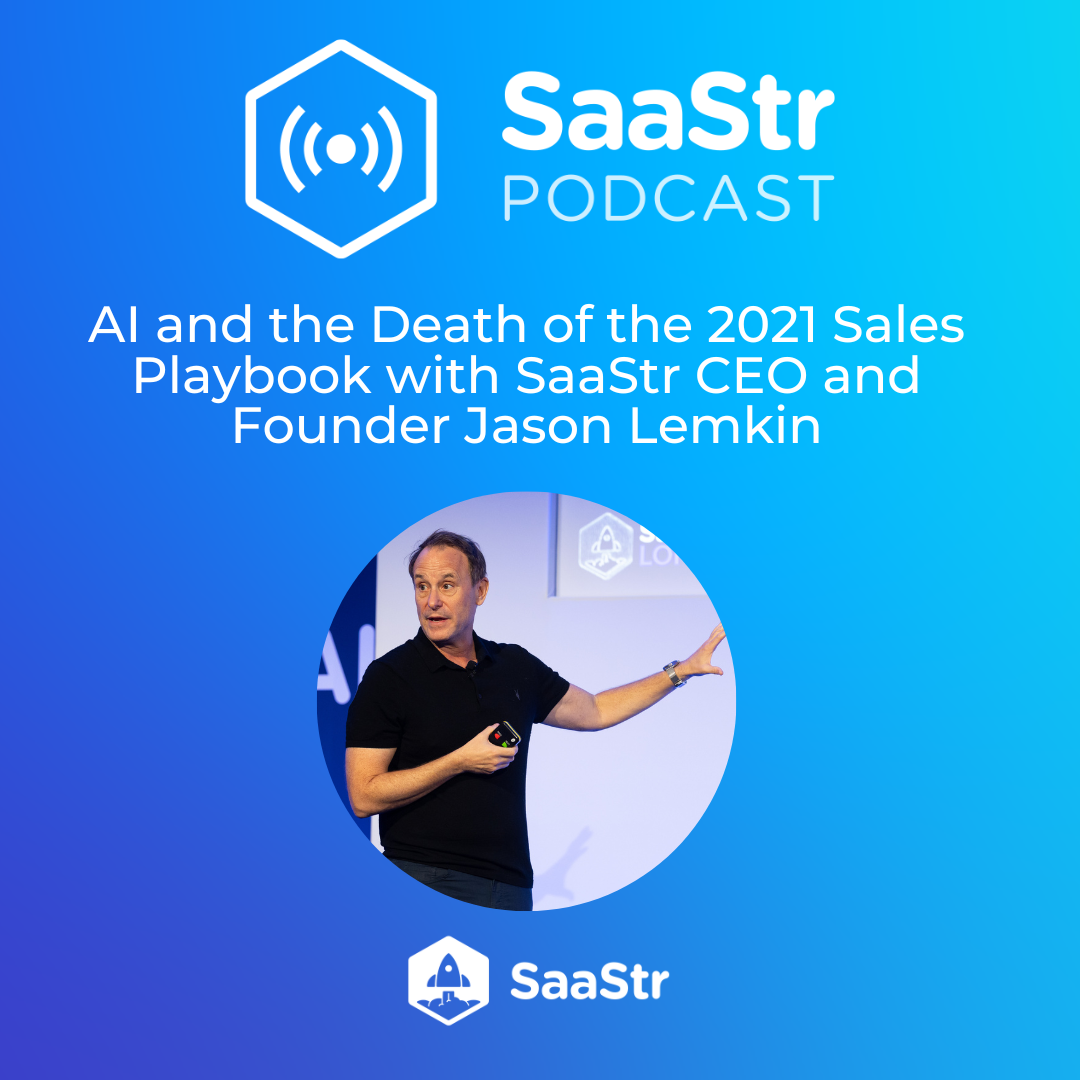
True AI adoption requires more than technical know-how. Salesforce's internal training mandates proficiency in Agent skills (AI literacy), Human skills (adaptability, EQ), and Business skills (problem-solving, storytelling), recognizing that technology is only one part of the transformation.

While choosing a leading vendor is important, the ultimate success of an AI agent hinges on the deep, continuous training you invest. An average tool with excellent, hands-on training will outperform a top-tier tool with zero effort put into its refinement.
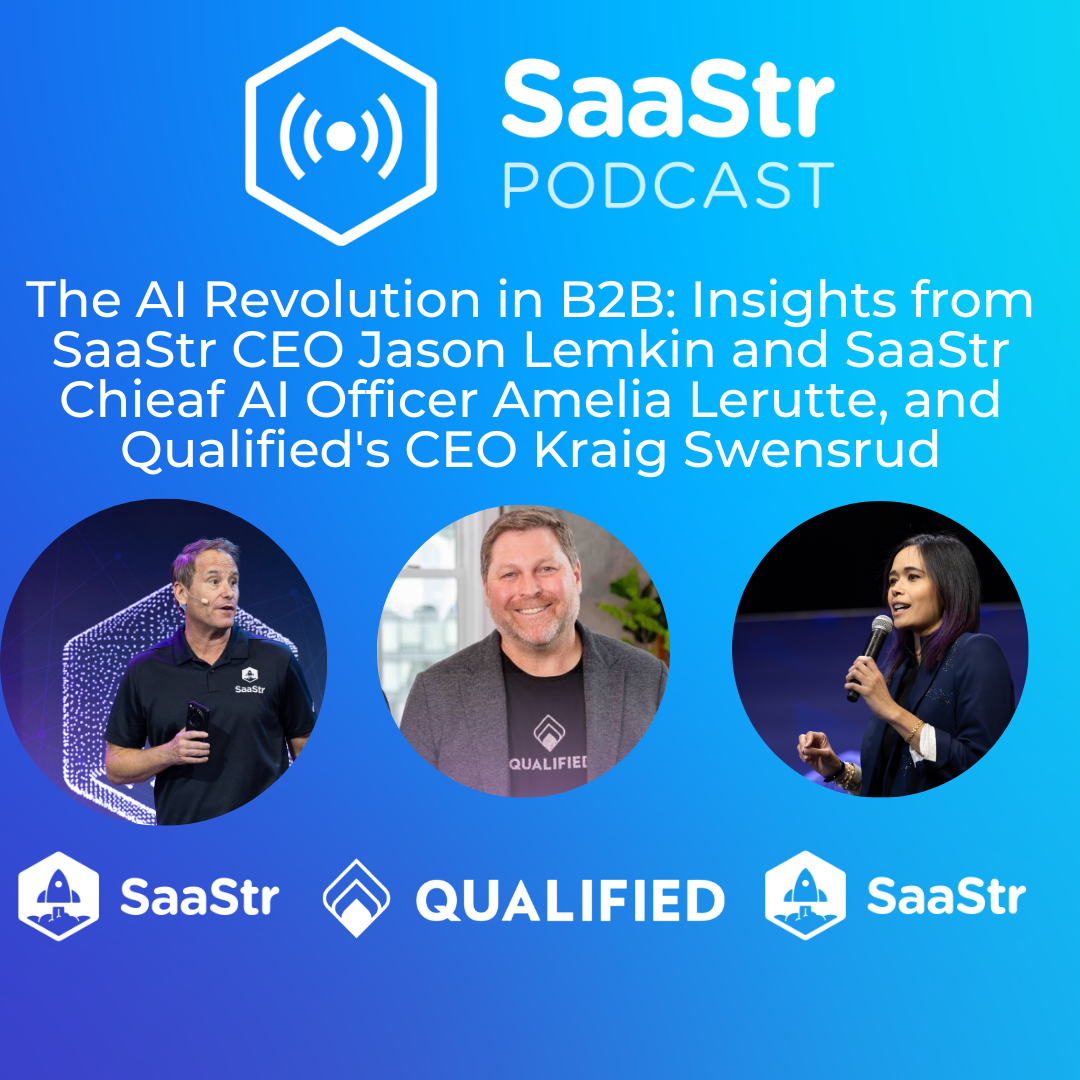
As AI automates insight generation, the primary role of CX professionals will shift to training and refining AI models. Their focus will be on validating AI-driven recommendations, teaching the system brand standards, and ensuring the AI is current and accurate, rather than performing manual data analysis themselves.
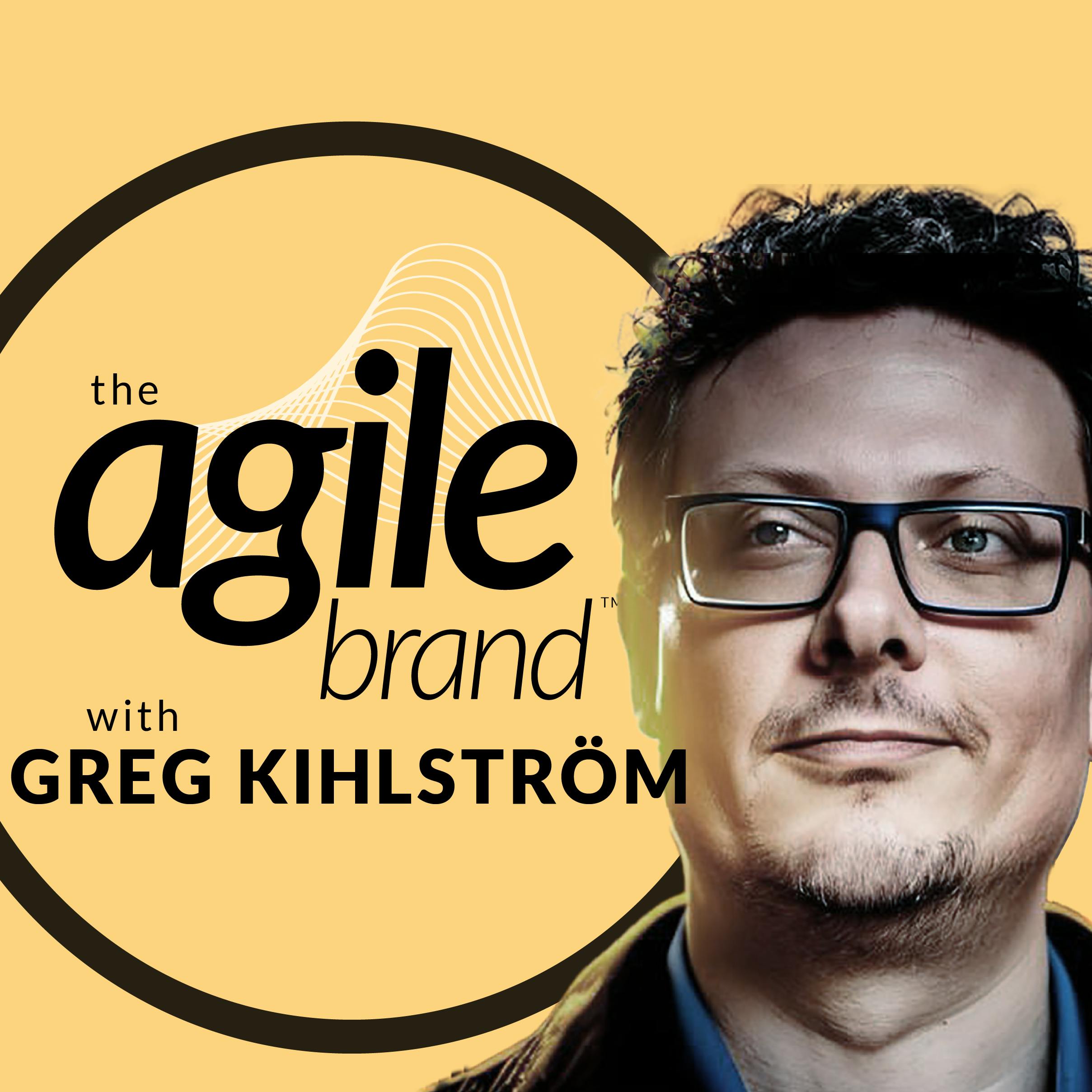
To maximize an AI agent's effectiveness, you must "onboard" it like a new employee. Providing context like brand guidelines, strategic goals, and performance data trains the system, making it significantly more intelligent and useful for your specific needs.

A common misconception is that AI agents are "set it and forget it" technology. In reality, they require daily coaching, especially in the first 30-60 days. Using scorecards, giving feedback, and continuously training them on new offers and content is crucial for maintaining brand voice and ensuring high performance.

Consistently feed your AI tool information about your company, products, and sales approach. Over time, it will learn this context and automatically tailor its sales prep output, connecting a prospect's likely problems directly to your specific solutions without needing to be reprompted each time.
