Get your free personalized podcast brief
We scan new podcasts and send you the top 5 insights daily.
A common misconception is that AI agents are "set it and forget it" technology. In reality, they require daily coaching, especially in the first 30-60 days. Using scorecards, giving feedback, and continuously training them on new offers and content is crucial for maintaining brand voice and ensuring high performance.

Related Insights
Don't expect an AI agent to invent a successful sales process. First, have your human team identify and document what works—effective emails, scripts, and objection handling. Then, train the AI on this proven playbook to execute it flawlessly and at scale. The AI is a scaling tool, not a strategist from day one.
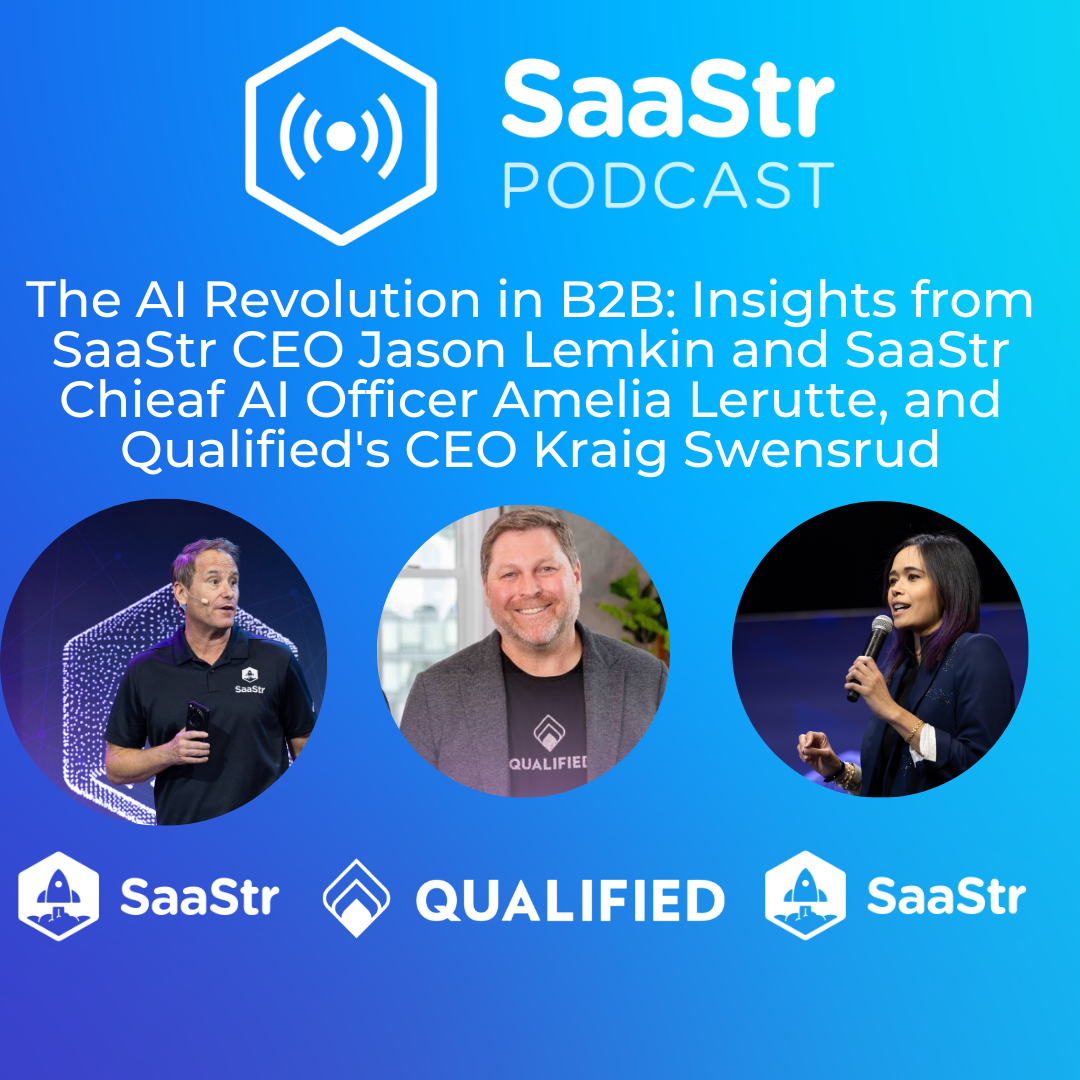
Outbound AI tools fail without dedicated human oversight. Qualified found success by having a person manage the AI agent daily, ensuring its personalized emails are better than a human's. The secret is treating the AI as a tool to be managed, not an autonomous replacement.

Don't just "turn on" an AI sales agent and expect results. The only path to success is to first identify what works with your human reps—the scripts, the process, the data. Then, you must manually train the AI on that proven playbook, iterating and refining its performance daily for at least a month. The AI automates success; it doesn't create it from scratch.
The perception that AI agents require a lot of time stems from a misunderstanding of sales management. A good human sales leader spends a huge amount of time coaching their team. AI makes this necessary process visible and measurable, forcing founders to engage in it.
While choosing a leading vendor is important, the ultimate success of an AI agent hinges on the deep, continuous training you invest. An average tool with excellent, hands-on training will outperform a top-tier tool with zero effort put into its refinement.
To successfully implement AI, approach it like onboarding a new team member, not just plugging in software. It requires initial setup, training on your specific processes, and ongoing feedback to improve its performance. This 'labor mindset' demystifies the technology and sets realistic expectations for achieving high efficacy.

Sales leaders are growing skeptical of 'black box' AI that gives directives without context. The most effective AI serves as a coach, augmenting human skills by handling informational tasks. It cannot, however, replace the emotional intelligence and human judgment required for true sales transformation.
To maximize the effectiveness of 'digital workers,' they must be managed like human employees. This includes regular reviews to check outputs, provide feedback, and offer 'coaching' by connecting them to new information. It's an ongoing process, not a 'set it and forget it' implementation.

An automated workflow analyzes call transcripts and sends immediate, private feedback to the sales or CS rep on what they did well and where they can improve. This democratizes high-quality coaching, evens the playing field across managers of varying skill, and empowers motivated reps to upskill faster.
An AI chatbot is not a 'set it and forget it' tool. Personio assigned a specific employee to be accountable for their chatbot, 'Nia.' This person's job is to review the AI's daily outputs, provide feedback, and test in real-time to correct errors like giving legal advice or bashing competitors, ensuring the AI improves continuously.